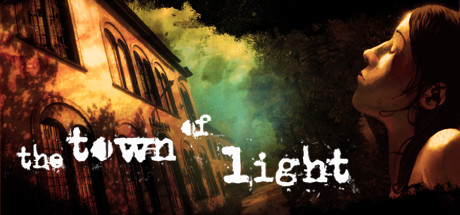
12 March 1938, Renée, 16, was ripped out of her world, her only fault was that of not knowing her place in the world.
Modeled estimate, not a reported figure. How we estimate →
Media

About

12 March 1938. Renée, 16 years old, is ripped out of her world, locked up and deprived of everything.
Her only fault was that she didn't know what her place in the world was.
"A danger to herself and others and a cause of public scandal" wrote the police headquarters.
The only horror you will find in this game is the truth: a blow to the solar plexus, much more intense than any supernatural presence
The Town of Light is a psychological adventure told in the first person. The story is set in Italy in the first half of the 20th Century in a place which really existed and has been meticulously reconstructed. Exploring and interacting with the environment you will relive the history of the main character through her confused viewpoint and on the basis of your choices, the story will develop in different ways.
Because of its contents, the game is intended only for adult users.
Realistic 3d graphics
Based on real facts and events.
Strong narrative component
No zombies or supernatural presences.
Original sound track.
Oculus Dev Kit 2
Genres
Stats
All-time low is the lowest price we've recorded for this game since we started tracking it.
Engagement
Hours played at review time, across 44 reviews with recorded playtime.
Reviews
Themes across 44 recent reviews and how positive each mention is. A keyword signal, not full sentiment analysis.
positive critical· bar length = how often the theme comes up
Reviews
Une expérience vidéo-ludique unique et perturbante. Une histoire qui ne laisse pas indemne...
Descobri esse jogo por um acaso explorando a Steam, já tinha ouvido falar do Martha is Dead (que infelizmente ainda não consegui jogar direito), então já estava esperando um jogo nesse estilo mais melancólico, mas sinceramente, me surpreendi bastante. O jogo gira em torno de um hospital psiquiátrico e é sempre triste temas relacionados a como eles funcionavam, então para pessoas sensíveis, acho importante olharem os avisos. E pelo visto o jogo se passa em um local real, e foi baseado em documentos e histórias reais também. Dito isso, o jogo é mais focado na história realmente, os puzzles são bem poucos, porém é um pouco confuso a locomoção dentro do hospital, então é importante olhar as dicas, mas para quem curte um jogo reflexivo, pesado, e onde o terror não são fantasmas, assombrações, etc, e sim humanos, eu recomendo demais.
Credo che sia l'esperienza di gioco più mostruosamente emotiva che abbia fatto in tanti, tanti anni. Non fraintendetemi, il gioco è molto ben fatto e maniacalmente curato. Probabilmente troppo ben fatto, a tratti di una crudezza che mi è stata insopportabile. Siate molto preparati, perchè sembra quasi partire in sordina, ma il crescendo è tremendo. Tanto più perchè, purtroppo, Volterra (e non solo quel manicomio) ha visto tante, troppe Renèe, nella realtà.
The Town of Light is a narrative-focused psychological adventure developed by LKA and published by Wired Productions. Rather than following the conventions of traditional horror games, it presents an unsettling experience rooted in real-world history and human suffering. Set within a meticulously recreated psychiatric institution inspired by the former Volterra Asylum in Italy, the game invites players into a deeply emotional journey that explores trauma, memory, mental illness, and the consequences of outdated medical practices. It is a title that aims to educate and provoke thought as much as it seeks to entertain. Players step into the role of Renée, a woman revisiting the abandoned asylum where she spent part of her youth. As she wanders through the decaying complex, long-buried memories begin to surface. The narrative unfolds through flashbacks, personal reflections, environmental discoveries, and fragmented recollections that slowly reveal the truth about her experiences. This gradual storytelling approach creates a powerful sense of mystery while maintaining a strong emotional connection to the protagonist. Every corridor, room, and forgotten corner contributes another piece to the puzzle of Renée's troubled past. One of the game's most remarkable accomplishments is its commitment to authenticity. The developers invested significant effort into researching the real institution that inspired the setting, and that dedication is evident throughout the experience. The asylum feels believable and lived-in despite its abandoned state. Crumbling walls, neglected wards, rusted equipment, and scattered personal belongings create a haunting atmosphere that reflects decades of history. The environment itself becomes a storyteller, conveying tragedy and loneliness without relying on excessive exposition. Unlike many horror titles that focus on danger and survival, The Town of Light builds its tension through psychological discomfort and emotional weight. There are no monsters lurking in the shadows and no weapons to defend oneself with. Instead, the fear comes from uncovering the realities of institutional life and understanding the hardships endured by those confined within such facilities. As players learn more about Renée's experiences, the emotional impact becomes increasingly powerful. The game demonstrates that reality can often be more disturbing than fiction. The writing is handled with a level of maturity that deserves recognition. Mental health issues are treated with care and respect, avoiding sensationalism in favor of empathy and understanding. Renée is portrayed as a complex individual shaped by both personal struggles and the circumstances surrounding her treatment. Her memories are not always clear or reliable, which adds depth to the narrative and encourages players to interpret events carefully. This nuanced approach allows the story to resonate on a deeper emotional level. Gameplay remains intentionally simple. Exploration is the primary activity, with players examining objects, reading documents, and triggering narrative events throughout the asylum. While some may find the mechanics limited, the minimalist design supports the game's focus on atmosphere and storytelling. The lack of traditional gameplay distractions ensures that players remain immersed in the narrative and its themes. Every interaction feels purposeful because it contributes directly to understanding the story. Visually, the game succeeds through atmosphere rather than technical spectacle. The asylum is rendered with impressive detail, creating a believable sense of decay and abandonment. Lighting plays a significant role in shaping the mood, with sunlight filtering through broken windows and dark hallways creating feelings of unease and isolation. The environmental design consistently reinforces the emotional tone, making exploration both compelling and unsettling. The audio presentation further strengthens the experience. Ambient sounds echo throughout the empty building, enhancing the feeling of loneliness and abandonment. The soundtrack remains subtle for much of the journey, allowing environmental audio and voice performances to carry much of the emotional weight. Renée's narration is particularly effective, conveying vulnerability, confusion, and pain in a way that feels genuine and deeply human. The branching elements of the story add a degree of replay value by offering different perspectives on key events. While the overall narrative remains focused, certain choices influence how memories are interpreted and presented. These variations encourage players to revisit the experience and gain a more complete understanding of Renée's story and the themes explored throughout the game. The Town of Light is not designed for players seeking fast-paced action or traditional horror thrills. Its deliberate pacing and emotionally demanding subject matter require patience and engagement. Some sections may feel slow, and the limited gameplay systems will not appeal to everyone. However, those willing to embrace its narrative focus will discover an experience that is thoughtful, moving, and unlike most games in the genre. What ultimately makes The Town of Light memorable is its willingness to tackle difficult topics with honesty and compassion. It uses the interactive nature of the medium to immerse players in a deeply personal story while also shedding light on a troubling period in psychiatric history. Through its authentic setting, powerful narrative, and emotionally charged atmosphere, it succeeds in delivering an experience that remains impactful long after it ends. Rating: 7/10
Related
Related
Trends
Modeled estimate over time, reconstructed from Steam's monthly review histogram.
Momentum
Pace estimated from the game's recent review growth (our daily snapshots) at its own sales-per-review ratio — a momentum signal, not booked sales.
Audience
Languages: English*, French, Italian*, German*, Greek, Portuguese - Brazil, Ukrainian, Spanish - Spain, Simplified Chinese, Traditional Chinese, Japanese**languages with full audio support
Estimated from the language of this game's reviews — a proxy for where players are, not official Steam demographics.
Related
| Terracards | $154.4K | 755 | 85% | $8.99 |
| State of War : Warmonger / 蓝色警戒 (Classic 2000) | $154.3K | 684 | 90% | $9.99 |
| The Trail: Frontier Challenge | $154.3K | 325 | 76% | $14.99 |
| Mask of the Rose | $154.3K | 397 | 76% | $19.99 |
| Winnie's Hole | $154.3K | 343 | 95% | $14.99 |
| Roommates, Romance, and Ringing Hearts | $154.3K | 419 | 94% | $9.59 |
Related
| Kholat | $3.3M | 6.9K | 66% | $19.99 |
| The Park® | $294.7K | 3.2K | 70% | $5.19 |
| The Suicide of Rachel Foster | $145.7K | 6.9K | 68% | $1.79 |
| Kholat | — | 116 | 70% | $19.99 |
| Firewatch | $30.3M | 98.8K | 91% | $19.99 |
| The Vanishing of Ethan Carter | $3.2M | 9K | 88% | $19.99 |