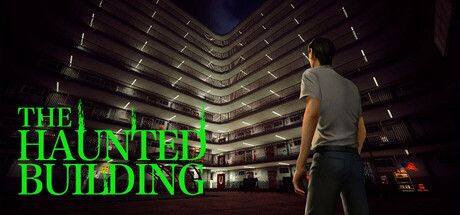
A 90s Hong Kong public housing block hides twisted tenants, buried truths, and ghosts. As security guard Lee Shing, your choices shape the story and unlock multiple endings. A mystery full of foreshadowing—some truths can only be uncovered through repeated playthroughs.
Modeled estimate, not a reported figure. How we estimate →
About
Every scene is a foreshadowing.
This is more than just a “ghost story.”
By unlocking different endings, your expectations will be overturned—twice—and your understanding of the truth will shift in completely unexpected ways.
“The Haunted Building: The Locksmith on the First Floor” is a uniquely styled horror adventure set in the public housing block Cheung Wing House.
You play as Lee Shing, a young part-time security guard who becomes entangled in a series of unforgettable, nerve-wracking events inside this mysterious building.
The story takes place in a residential block scheduled for demolition and redevelopment.
Because a handful of tenants still refuse to move out, your main duty is to collect their relocation consent forms.
However, you soon discover that strange things lurk in every corner.
Each remaining resident behaves in unsettling ways…
And rumors of terrifying spirits wandering the building only make Lee Shing’s investigation even more dangerous.
Set against the backdrop of 1990s Hong Kong, the game carries a strong nostalgic charm reminiscent of classic Hong Kong cinema, letting players relive an era filled with atmosphere and tension.
The first chapter focuses on a locksmith living on the first floor.
You must find a way—by any means necessary—to convince him to leave, and unravel the mysteries surrounding him.
Every choice you make shapes the story and leads to multiple endings.
Some truths require more than one playthrough to uncover.
Whether the tenants live or die, and whether Lee Shing can survive and see through the lies—all depends on you.
*The second unit “The Braided-Hair Girl” is currently in development, along with the series prequel “Urban Legend: Takeout.” Stay tuned!
A Hong Kong–style narrative that plays like binge-watching a suspense drama.
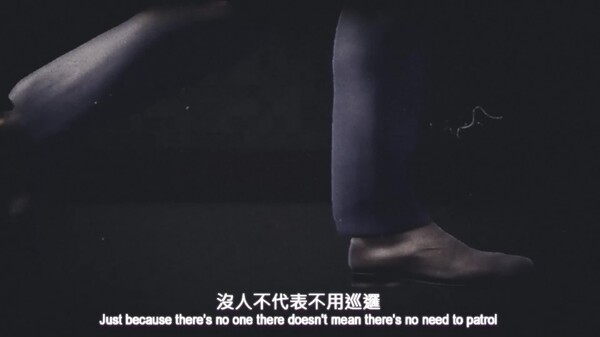
Fully voiced in Cantonese for an authentic local experience.
3D-modeled Hong Kong public housing for richer atmosphere and immersion.
A complete storyline with multiple endings—some truths can only be discovered through repeated playthroughs.
Genres
Stats
All-time low is the lowest price we've recorded for this game since we started tracking it.
Languages: Simplified Chinese*, Traditional Chinese*, English, Japanese*languages with full audio support
Engagement
Reviews
Themes across 45 recent reviews and how positive each mention is. A keyword signal, not full sentiment analysis.
positive critical· bar length = how often the theme comes up
Reviews
配音还不错,全程粤配。但是游戏声音大小变化很大,忽大忽小的,很难受。有种强行营造一惊一乍的效果,对耳朵很折磨。 一章中的每一节都很短,时不时就跳一个stage clear出来,很影响观感,明明都没多少剧情推进。 这剧情……很无聊,不合理,推进古怪,恐怖要素占比太少。
不推荐游玩购买,剧情背景漏洞百出,只能说纯纯幻想时刻,玩这款游戏制作组需要向我支付游玩的钱,游戏背景在香港但配音完全广东口音 非常不推荐购买此游戏,看封面本以为是有特色的民俗地方生活向恐怖游戏 但是作为一款视觉小说,但是无论是背景设定的漏洞百出,充满凝视的女性角色和部分对话进行受众筛选,还是极其粗糙的立绘,再加上放在番茄免费小说里都没人看到垃圾剧情,只想说游玩的金钱和时间完全被浪费了
游戏很短,剧情还可以,小游戏不想打还能跳过,最后隐藏结局打出来的时候还是很震惊的 缺点就是配音质量太差了,声音忽大忽小,有时候还有电流麦炸麦
Media

Related
Related
Price dynamics, follower growth, revenue and sales trajectories with interactive tooltips
This and every other Pro feature is free until October 20, 2026. A free account is all it takes.
Hours played at review time, across 45 reviews with recorded playtime.
看了舍长实况感觉不错就买了个试试,剧情个人觉得还不错,有突脸但不是很吓人,流程比较短但价格也不贵,配音挺有特色,应该是粤语?🤔各种小海报里的梗也很好玩ʕ ◦`꒳´◦ʔ
最后的反转还是挺有意思的,整体没有太吓人只有几个突脸> <
操作简单,不需要在乌漆麻黑的地方翻箱倒柜到处摸黑找线索找钥匙找道具找路
The Haunted Building, developed and published by Genuine Studio, is a narrative-focused first-person horror experience set within the aging walls of a 1990s Hong Kong public housing complex. Rather than leaning entirely on shock-driven scares, the game constructs its terror through atmosphere, cultural specificity, and layered storytelling. It places players in the role of Lee Shing, a part-time security guard tasked with persuading tenants to sign relocation consent forms before the building’s demolition. What initially appears to be bureaucratic routine gradually unravels into a tense and deeply personal mystery filled with psychological unease and hints of supernatural interference. The setting plays a crucial role in shaping the game’s identity. The housing estate feels authentic and lived-in, from narrow stairwells and dim corridors to modest apartments cluttered with everyday objects. This grounded realism strengthens the horror elements, as the fear emerges not from fantasy environments but from a space that feels plausible and intimate. The architecture’s repetition and confined design enhance the sense of claustrophobia, while flickering lights and distant echoes inject subtle discomfort. The building itself becomes a character—its aging walls concealing secrets and its layout encouraging both exploration and paranoia. Narratively, the game unfolds as an investigative drama layered with supernatural undertones. Lee Shing’s interactions with tenants reveal complex personalities shaped by fear, denial, and unresolved trauma. Some residents resist relocation for reasons that extend beyond attachment to their homes, hinting at hidden motives and buried truths. Dialogue sequences are central to progression, offering players meaningful choices that shape the direction of the story. These decisions ripple across the narrative, influencing relationships, uncovering alternate scenes, and guiding the outcome toward one of several distinct endings. The branching structure encourages multiple playthroughs, as different conversational approaches reveal new layers of context and character insight. Gameplay blends exploration with light puzzle-solving and interactive storytelling. Players investigate apartments, gather clues, and piece together fragments of information that gradually clarify the building’s troubled history. Puzzles are integrated organically, often requiring attention to environmental details rather than abstract problem-solving. The absence of combat shifts emphasis toward tension and vulnerability, making each encounter with unexplained phenomena feel significant. Ghostly manifestations and environmental distortions appear sparingly but effectively, maintaining suspense without overwhelming the narrative flow. The audio design significantly enhances immersion. Fully voiced Cantonese dialogue anchors the experience culturally and emotionally, while English subtitles broaden accessibility. Ambient sounds—creaking doors, faint whispers, distant footsteps—maintain a steady undercurrent of dread. Silence is used strategically, allowing quiet exploration to feel heavy with anticipation. The restrained soundtrack avoids melodrama, instead reinforcing the psychological tone of the unfolding mystery. Visually, The Haunted Building favors mood over technical spectacle. Lighting is used to create depth and tension, casting long shadows across hallways and emphasizing the building’s worn textures. Character models and environments may not reach the fidelity of larger productions, but they effectively serve the narrative’s grounded aesthetic. The subtle blending of realistic interiors with occasional supernatural distortion reinforces the theme that something unnatural is embedded within ordinary life. One of the game’s most compelling strengths lies in its thematic focus. Beyond ghostly encounters, it explores displacement, memory, and the emotional weight of redevelopment. The impending demolition of the building symbolizes both renewal and erasure, reflecting the internal conflicts of its residents. The horror becomes intertwined with social commentary, transforming the setting into more than a haunted space—it becomes a vessel for unresolved history and collective anxiety. While certain aspects, such as pacing or visual polish, may reveal the game’s indie scope, these limitations rarely overshadow its narrative ambition. The deliberate tempo allows suspense to accumulate gradually, rewarding patience with layered storytelling and emotional payoff. It stands apart from more action-oriented horror titles by prioritizing introspection and atmosphere. Ultimately, The Haunted Building delivers a culturally grounded and narratively rich horror experience. Through its immersive setting, branching storylines, and psychological tension, it offers more than a conventional haunted house tale. It invites players to confront both the supernatural and the human complexities embedded within the crumbling walls of Changrong Tower, crafting a thoughtful and unsettling journey that lingers beyond its final ending. Rating: 8/10
玩着还行,反转的结局能预料到,只能说两个人都是极品,一个控制欲死强,一个嘴笨不会表达,吐槽那个100抽的成就,很无聊
真无聊,全是对话 这是恐怖游戏??恐怖在哪里呢??
瑕不掩瑜。
Selling now
See how fast this game is selling right now — estimated copies and revenue per day from recent review growth.
Players by region
Where this game's players are, estimated from review languages.
Related
| Game | Estimated lifetime revenue | Reviews | Review score | Price |
|---|---|---|---|---|
| $43.7K | 245 | 89% | $9.99 | |
| — | 0 | — | — | |
| $289.2K | 1.6K | 83% | $9.99 | |
| $143.2K | 746 | 87% | $9.99 | |
| $33.4K | 268 | 91% | $6.99 | |
| $6.9K | 37 | 78% | $8.99 |
Related
| Game | Estimated lifetime revenue | Reviews | Review score | Price |
|---|---|---|---|---|
| $42K | 93 | 81% | $19.99 | |
| $42K | 250 | 81% | $4.99 | |
| $42K | 199 | 91% | $9.99 | |
| $42K | 199 | 75% | $9.99 | |
| $42K | 261 | 87% | $6.99 | |
| $42K | 162 | 98% | $11.99 |