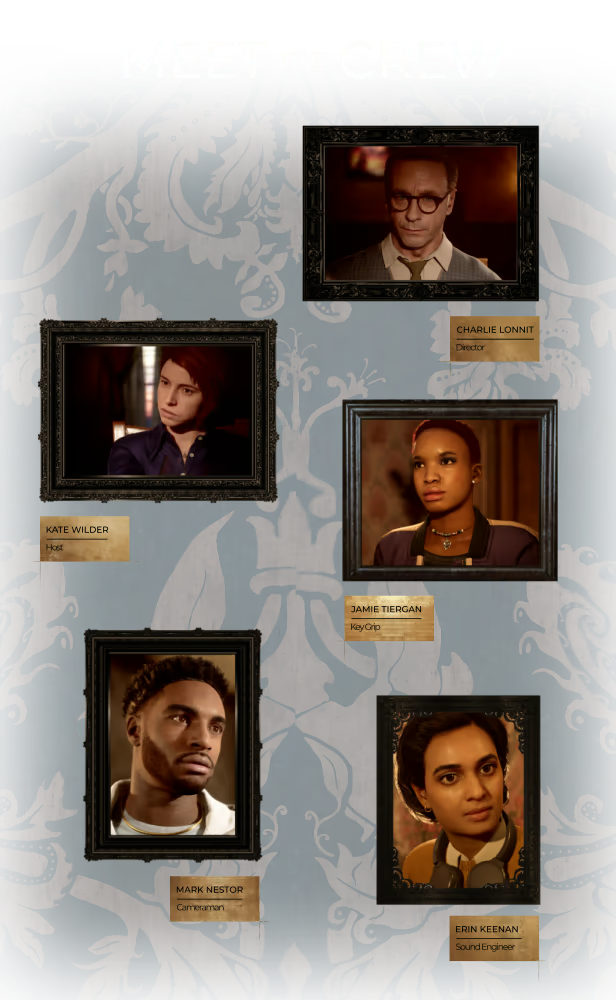
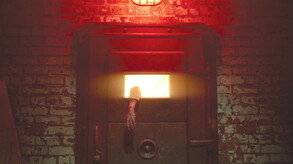
A group of documentary film makers receive a mysterious call inviting them to a modern-day replica of serial killer H.H. Holmes ‘Murder Castle’. But on arrival they soon discover they’re being watched, and even manipulated, and suddenly there is much more at stake than just their ratings…
Modeled estimate, not a reported figure. How we estimate →
Media
About


Genres
Stats
All-time low is the lowest price we've recorded for this game since we started tracking it.
Languages: English*, French*, Italian*, German*, Spanish - Spain*, Korean, Portuguese - Brazil, Russian*, Simplified Chinese, Spanish - Latin America, Traditional Chinese*languages with full audio support
Engagement
Hours played at review time, across 71 reviews with recorded playtime.
Reviews
Themes across 71 recent reviews and how positive each mention is. A keyword signal, not full sentiment analysis.
positive critical· bar length = how often the theme comes up
Reviews
SIMPLESMENTE INCRIVELL, ADORO JOGOS ASSIMMM, E ESSE CERTAMENTE É PARA QUEM GOSTA DE UM BOM SLASHER, VOCES VÃO PIRARR DE TÃO BOM QUE É
This game was so bad it made me write a review about it. List of variously stupid or infuriating things about this game: -Running around between quicktime events is easily 5 - 15 minutes. These parts add nothing to the game except make it feel longer than it its. Sadly this is the main reason I can't be bothered to replay this as these scenes are tooooooo long and way too boring - Teleporting bad guy. I swear. Either the bad guy does a mega sprint soon as the camera is not focusing on him or they simply teleport. There's so many scenes where this is the only explanation - Convoluted murderer background story that is way too clever for its own good. - Suicidal survivor group. A good chunk of the decisions made by majority of the cast are downright stupid. At some points I was kinda rooting for the killer as these people were clearly hoping to die. -Uninteresting bad guy. This guy was just so bland? Walks menancingly here, now there. He also does a menacing walk in the background at least 5 times, if not more. Was he just waiting for the people to pass to do his little walk by? Even if you like the Dark Pictures series. Don't bother with this one. Or if you absolutely must. Give it a couple years and wait for a sale and...even then I recommend skipping this one.
[b]Złego diabli nie biorą[/b] Zanim przedstawię fabułę The Devil in Me, postaram się określić, czym w ogóle jest. Otóż to czwarta część antologii, na którą składają się niezwiązane ze sobą historie, ukazujące się pod szyldem The Dark Pictures Anthology. Odpowiada za nie wspomniane Supermassive Games, które zyskało rozgłos dzięki Until Dawn (2015). Sukces związany z tym tytułem ciąży jego autorom do dziś, zarówno w sensie komercyjnym (żadna ich następna produkcja nie osiągnęła podobnego pułapu sprzedanych kopii), jak i twórczym: ukończywszy w ciągu siedmiu ostatnich lat tyleż samo gier wykonanych przez tego dewelopera, stwierdzam, że to właśnie UD pozostaje najlepszą w dorobku Anglików (choć The Quarry było bliskie dorównania jej). Za to śmiało mogę wskazać omawiane tu TDiM jako najlepszą odsłonę pierwszego sezonu antologii The Dark Pictures: produkcji mniejszych i zwięźlejszych od UD, z którym łączy je jednak przynależność gatunkowa. Jaka? Zależy, jak na to spojrzeć. W znaczeniu kinowym można by rzec, iż Supermassive Games specjalizuje się w filmowych, interaktywnych horrorach, ale mnie taka klasyfikacja nie do końca zadowala i przekonuje (bo przecież każda bez wyjątku gra-horror jest interaktywna). Bardziej akcentowałbym charakterystyczny dla tworów tego studia komponent gameplayowy, nakazujący drążyć głębiej. Wszak istnieje kilka typów gier reprezentujących gatunek opowieści z dreszczykiem, jak na przykład walking simulatory czy survival horrory; te klasyczne, jak i nowoczesne, zorientowane na akcję. Problem w tym, że ani jedna z tych nazw nie pasuje do TDiM, toteż zaproponuję własną. Skoro przygodówki Dontnod Entertainment czy Telltale Games definiuje się terminem „narracyjne”, to ja, dostrzegając podobieństwa w rozgrywce, analogicznie odniosę się do bohatera dzisiejszego bloga: a więc przyjmijmy, że to horror narracyjny. W dodatku – tu znowu odwołam się do kina – jest to także slasher. Wiecie: taki durnowaty podgatunek horroru z równie kretyńskimi postaciami, zachowującymi się w sytuacji zagrożenia totalnie irracjonalnie. I pozwólcie, że publicznie wyznam winę i się do czegoś przyznam: lubię je. To znaczy – lubię slashery. Mam do nich słabość. Oczywiście zdaję sobie sprawę z ich wątpliwej jakości i artystycznej wartości, ale zwykłem traktować je w kategorii swoistego guilty pleasure. Wiele razy zastanawiałem się, skąd wzięła się ta sympatia. Najsilniejszy sentyment zwykle rodzi się już w dzieciństwie, toteż tam upatruję jego źródeł. A że skłonności psychopatyczne nigdy się we mnie nie objawiły, to za winowajcę uznaję zamiłowanie do ładnych buzi. Konkretnie mam na myśli Jennifer Love Hewitt i pewien niezmiernie kiczowaty film z 1997 roku, będący dla mnie pierwszym w życiu slasherem. Scena początkowa gry zabiera gracza w przeszłość, tj. do Chicago 1893 roku. Młode małżeństwo przybywa do Wietrznego Miasta na pewną wystawę i cóż – wyprawa ta zdecydowanie nie będzie dla pary zakochanych miesiącem miodowym. Wyjątkowo pechowo wybierają oni miejsce tymczasowego zakwaterowania. Hotel, w którym się zatrzymują, okazuje się śmiertelną pułapką, a jego właściciel – zwyrodniałym sadystą. To niejaki Henry Howard Holmes. I tu ciekawostka: gość niestety faktycznie istniał. Uznawany jest za pierwszego seryjnego mordercę Ameryki, a ów hotel przeszedł do historii jako Zamek Śmierci, w którym życie straciło kilkadziesiąt (niektóre źródła podają liczbę 200) osób. Gdy jego okrutna działalność wyszła w końcu na jaw, nikczemnik został schwytany. Na procesie, wiedząc, że karą za zbrodnie będzie stryczek, ogłosił, iż to nie on odpowiada za swe czyny, a… diabeł; Holmes (w istocie to pseudonim, bo facet naprawdę nazywał się inaczej, ale ja tu jego personaliów przytaczać nie zamierzam. Imiona takich szubrawców powinny być bowiem zapomniane) według własnych zeznań miał zostać opętany przez szatana. Sąd, co niedziwne, nie dał wiary tym rewelacjom i skazał go na szubienicę. Wyrok wykonano. Wypełniono też ostatnią wolę przestępcy, a było nią zalanie trumny z jego ciałem betonem. Po to, by jego truchło nie stało się obiektem badań, czy może… aby nie powstał z grobu i nie zaczął z powrotem zabijać, czym zagroził po usłyszeniu wyroku? Po tym wstępie akcja gry przenosi się w czasy współczesne. Bohaterami są członkowie ekipy filmowej, tworzący serial o psychopatycznych mordercach. Tematem ich najnowszego, będącego w trakcie realizacji odcinka jest sam Henry H. Holmes. Ni stąd, ni zowąd dostają telefonicznie propozycję nie do odrzucenia: otóż pewien tajemniczy fascynat nazwiskiem Du’Met oferuje im możliwość odbycia sesji zdjęciowej w swojej położonej na wyspie posiadłości. Zbudowanej na wzór zamku Holmesa. Ten zagadkowy pasjonat zdaje się totalnie zafiksowany na punkcie dziewiętnastowiecznego zabójcy, posiadając – jak sam twierdzi – sporo rekwizytów z nim związanych. Dla borykającego się z problemami finansowymi zespołu produkcyjnego to prawdziwa okazja, której nie można przegapić. Skąd Du’Met wiedział o tematyce nadchodzącego epizodu, skoro ten nie został jeszcze ukończony i wyemitowany? Nie wiadomo. Czyżby działał w porozumieniu z kimś z ekipy? Nie odpowiem na to pytanie, sugerując za to, by każdy decydujący się na ogranie The Devil in Me przygotowany był na fabularne dziury, głupotki i absurdy; cechy charakterystyczne slasherów, wpisane w ten gatunek, bez których w ogóle by on nie istniał. Tak więc jeśli ktoś wspomina takie Until Dawn jako gniot, to niechaj wie, że tutaj pod względem logiczności scenariusza wcale nie jest lepiej. Z drugiej strony (nie) polecam takim osobom obejrzeć dostępną na HBO Max zeszłoroczną ekranizację tamtej gry; wtedy przekonają się, iż zawsze może być gorzej. Twórcy swoim zwyczajem ostrzegają, że każda decyzja gracza będzie mieć konsekwencje, i znowu twierdzenie to ma niewiele wspólnego z prawdą. Na ich miejscu, chcąc być fair, powiedziałbym, że nie każda, a tylko niektóre. Przyzwyczaiłem się do owej specyficznej (w dużej mierze złudnej) decyzyjności w grach Supermassive Games, co wcale nie znaczy, iż ją bezkrytycznie akceptuję. Znowu wybory podejmowane są na chybił trafił. Przykład? Sytuacje, gdy możemy albo uciekać, albo się ukryć. Przy czym o ile schowanie się będzie właściwym wyjściem w jednej sekwencji, to już niekoniecznie w drugiej. Gracz, decydując, co ma zrobić dana postać, w zasadzie dokonuje skoku w nieznane; zdaje się na ślepy los, kompletnie nie wiedząc, jaki będzie rezultat podjętego działania. W dodatku kolejny raz w grze od tego brytyjskiego studia odniosłem wrażenie, że jestem karany za poprawę relacji między bohaterami, co w konsekwencji doprowadziło do śmierci jednego z nich, i trochę już mnie to irytuje. A gdy po skończeniu TDiM obejrzałem sobie na YouTube alternatywne możliwości biegu wydarzeń, zdałem sobie sprawę, że scenarzyści gry, projektując momenty krytyczne dla poszczególnych postaci, byli dość niesprawiedliwi; niektóre mogą zginąć zdecydowanie częściej i łatwiej niż inne, będące pod swoistą ochroną narzędzia narracyjnego znanego jako plot armor. Wśród typowych i charakterystycznych dla tej serii zabiegów i rozwiązań znalazło się jednak miejsce także dla odrobiny nowości. Bohaterowie dysponują unikalnymi dla siebie przedmiotami, często służącymi jako źródło światła. Nareszcie potrafią też biegać, a nie tylko lekko przyśpieszać kroku, co czyni eksplorację szybszą i wygodniejszą. Ta zaś została usprawniona: kluczowe przejścia lub drzwi, po których przekroczeniu odpala się interaktywna scenka, a akcja rusza do przodu, są teraz wyraźnie oznaczone. Zwykle można więc w spokoju zbadać lokację bez obaw, że przegapi się jakąś informację czy znajdźkę. Pełna wersja tekstu dostępna jest na stronie impresjezgier.pl
no es el mejor juego y no creo que lo recominede pero esta bien ,algunos bug puzzles rebuscados y algunas veces no responde bien en los quicktime events pero la historia esta interesante ademas esta basado en un peronaje que existio en fin le doy un 6/10
.
Walls trap every scream A killer scripts human fear Trust dies room by room
Terrifying and I definitely don't think I would have been ale to complete it without a friend. I loved all the set pieces and it was a great wrap up to the first season of this series. Like the others (with the exception of Little Hope which I did complete solo first run) I did play with a duo. I would have to say these stories are way more fun to experience with a friend but just as terrifying if not more solo thanks to not having the comedic relief of a duo. (that is if you find your friends funny). Definitely recommend stand alone or with the first 3 in the series.
This was incredible. Looking at the mixed reviews always take the bet that the public will miss subtle writing. Lets go over why this is absolutely the best in the series. 1. Dialogue and characters: Knocked out of the park! Gone are the awkward hand gestures and head movements. Gone is the cringe dialog. This is GOOD. 2. Set pieces: Gorgeous and varied. Detailed. Thematic and great mood setting. 3. Pacing. Almost perfect. Might drag a little close to the end but better over than under. They gave time to flesh out and give the characters personality, far more than in Until Dawn. 4. Homage. I think some people missed this. There are a lot of situations that are homage to old slashers and horror movies. If you're young, you'll probably miss this or think, "That's stupid!" Yes, it is. Its referencing the old material. And it does it well. If you expect it, you're going to have a good time! 5. Subtler writing. The older Anthem games kind of beat you over the head with the messaging and 'What's really going on." This one used the environment to tell you. "That guy just walked past me, is he blind?" "Killer seems to teleport and just walk everywhere. So dumb." Nope. Pay attention and you'll figure it all out. I am INCREDIBLY satisfied with this one. Seeing the mixed reviews, it seems they need to make the writing less subtle for their viewers. Maybe people just didn't expect it so they missed it. Maybe the age of the player base isn't going to catch the homages. The fact this is mixed and not overwhelmingly positive and tragic. Their best game up to this point for sure.
"The Dark Pictures Anthology - The Devil in Me" is a solid part of the series and when I compare it to the previous parts, this one is actually my favorite. [B]Visuals, Audio, Characters and Scenery[/B] The graphics are fine, they mostly look good, but at the same time feel a little dated. The audio is very good, especially some of the sound effect. The background sounds added a lot to the atmosphere and to building fear/thrill. The characters are more likable than in the last part of this series. There are a ton of different locations. It's dark, atmospheric and offers a good amount of scary moments. There's a healthy mix of typical jumpscares and the type of fear that builds through unease and implications/expectations. I'd definitely consider that a strong part of this game compared to some other titles in the series. [B]Movement[/B] Navigating this game feels clunky, like in every otherpart of this series. This did not get better, despite of them introducing a few extra movement options (shimmy, climb, balancing, jumps in certain places, pushing/pulling boxes). The shimmy option is unnervingly slow, and the new "balancing" movement option feels very redundant with how little challenge it adds to the game. I think it's nice to have variations, rather than to always just walk or run, but i wish the new movement types felt actually impactful for the outcome of scenes. [B]Impactful Choices[/B] Much like in previous parts of the series, you can make choices in this game. Compared to previous titles, I found it harder to predict which choices would lead to which outcome this time around, which in my opinion makes it a bit more fun. I have seen some people say that they hated losing characters due to the unclear implications of a choice they made, but I think it makes the experience more thrilling and fitting for such a horror game. [B]Story and Fearfactor [/B] The story is really interesting and layered this time around, and feels like it should be picked back up/expanded upon in another game sometime. It's nicely done and my favorite story in the Anthology. Unlike the last couple titles, this time around we're not dealing with a supernatural The way the game unfolds feels like a nod to other classics in the horror genre, be it movies like saw or games like resident evil. Where previous titles focused on a supernatural evil, this time we delve into the evil of a twisted human mind. I think, it worked really well and that this part was scarier than its predecessors. Fear is created via sounds, slight gore, jumpscares, eerie surroundings, your own imagination/expectation and partly perhaps also via the fact that you never see the face of your nemesis, which makes him feel less human. [B]Overall rating for the game:[/B] 9 / 10 [B]Recommended? [/B] YES! The game is definitely worth playing and the best in the series. It also felt longer when i played it, making the money feel well-spent. It has some replayability due to the multiple choices, but I think 2 playthroughs is probably enough here.
The bug did not go through to the end of the game
Related
Related
Trends
Concurrent players on Steam, sampled daily since tracking started.
Momentum
Pace estimated from the game's recent review growth (our daily snapshots) at its own sales-per-review ratio — a momentum signal, not booked sales.
Engagement
DAU/MAU are modeled from peak concurrent players (≈×8 and ×28) — Steam publishes no active-user counts, so treat these as rough estimates, not reported figures.
Audience
Audience
Games most often reviewed by the same players — an audience-affinity signal from our review sample, not full ownership data.
Estimated from the language of this game's reviews — a proxy for where players are, not official Steam demographics.
Related
| The Final Station | $3.4M | 9.4K | 87% | $14.99 |
| Castle Story | $3.4M | 10.6K | 65% | $9.99 |
| Immortals Fenyx Rising | $3.4M | 4.6K | 73% | $39.99 |
| Sheltered | $3.3M | 6.3K | 82% | $14.99 |
| Occupy Mars: The Game | $3.4M | 3.1K | 70% | $29.99 |
| The Crust | $3.3M | 3.7K | 77% | $29.99 |
Related
| Directive 8020 | $3M | 2.1K | 63% | $49.99 |
| The Dark Pictures Anthology: House of Ashes | $4M | 10.8K | 89% | $29.99 |
| The Dark Pictures Anthology: Little Hope | $2.6M | 10.6K | 74% | $19.99 |
| Through the Woods | $596.6K | 1.7K | 71% | $19.99 |
| Alone in the Dark Prologue | $0 | 1.6K | 76% | Free |
| SILENT HILL f | $21.9M | 28.1K | 80% | $34.99 |