TankCraft is an action game based around gladiatorial style tank battles, but skill alone won't be enough to succeed here, the unique thing about TankCraft is the player crafts their own tanks however they choose with no restrictions to shapes, sizes or design.
Modeled estimate, not a reported figure. How we estimate →
Media

About
Stats
All-time low is the lowest price we've recorded for this game since we started tracking it.
Languages: English, French, Italian, German, Spanish - Spain, Japanese, Korean, Russian, Simplified Chinese
Engagement
Hours played at review time, across 40 reviews with recorded playtime.
Reviews
Themes across 40 recent reviews and how positive each mention is. A keyword signal, not full sentiment analysis.
positive critical· bar length = how often the theme comes up
Reviews
⠄⠄⠄⠄⠄⠄⠄⠄⠄⠠⠄⠄⠄⠄⠄⠄⣠⣶⣶⣶⣴⣶⣾⣆ ⠄⠄⠄⠄⣀⣠⣤⡾⡟⢠⣶⣾⣿⡑⡀⠻⠋⠉⠄⢠⣾⣿⣿⣿ ⢀⣠⣶⣿⣿⣿⠟⠁⠁⠰⣋⢫⢲⡇⠛⠄⠄⢀⣠⣤⣉⠻⠿⠟ ⣿⣿⣟⣋⣉⣁⠄⠄⠄⠄⠻⣆⣂⡕⠼⠂⠉⣿⣿⣗⣻⠟⠁ ⠙⢿⣿⣿⣿⣿⠃⢸⢋⡁⢊⠒⣲⡶⠊⢁⣴⣿⣦⣦ ⠄⠄⠙⠻⣿⡟⠄⡆⢸⣧⣾⣶⣤⣤⣾⡿⠿⡻⣻⣿ ⠄⠄⠄⠄⠄⠄⠘⠠⣾⣿⣿⡿⠿⠿⣥⣾⠿⣛⢰⡿ ⠄⠄⠄⠄⠄⠄⠄⠄⠸⣶⣶⣿⣟⣛⣛⣛⠲⣵⣟⢅ ⠄⠄⠄⠄⠄⠄⠄⠄⠄⢹⡟⠋⣠⣤⣤⣍⡑⠿⢉⠟ ⠄⠄⠄⠄⠄⠄⠄⠄⣀⠈⠙⠿⣿⣿⣿⡍⠟⢁⣠⣤⣶⣤⣄⡀ ⠄⠄⠄⠄⠄⠄⢀⣾⣿⣿⣷⣦⣀⠉⠿⡇⠄⣾⣿⣿⣿⣿⣿⣿⣶⡀ ⠄⠄⠄⠄⠄⢠⣾⣿⣿⣿⣿⣿⣿⣷⡄⠹⢰⣿⣿⣿⣿⣿⣿⣿⣿⣿⠄ ⠄⠄⠄⠄⠄⣾⣿⣿⣿⣿⣿⣿⣿⡿⠋⠄⠄⠈⠙⠿⢿⣿⣿⣿⣿⣿⡇
całkiem przyjemna gierka, polecam
bbbbb
Задумка игры весьма интересна, но реализация на сегодняшний день плохая. Кривой перевод на русский язык, неудобное управление и много других багов и глюков. Конечно для игры за 8 рублей, подаренной по приколу, это не критично. В игре хотя бы есть карточки. Но я пока что не считаю, что это игра достойна положительного отзыва. В целом я не могу пока что рекомендовать, буду ждать обновления, но это маловероятно, так как игра создана одним человека и похожа на дипломную работу.
᠌ ᠌
The definition of 'meh.' It sucks.
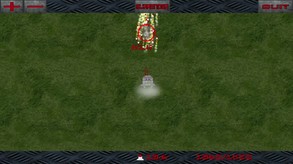
TankCraft is a sandbox-style vehicle combat game developed and published by Snowdon Games. The game combines engineering creativity with tactical arena battles, allowing players to design and build their own custom tanks before deploying them in combat scenarios. Rather than offering a set of predesigned vehicles, the game centers almost entirely on player-created machines, turning the experience into a hybrid between a strategy combat game and a construction sandbox. The core appeal lies in experimentation: players are encouraged to construct unique vehicles, test them in battle, and continually refine their designs in pursuit of the most effective war machine. The foundation of the gameplay lies in its modular construction system. Tanks are built on a grid-based framework where each tile represents a specific component of the vehicle. Players assemble their creations piece by piece, selecting from a variety of structural and functional parts. Armor tiles provide protection, engines allow movement, weapon modules supply offensive capability, and other components contribute to the vehicle’s overall performance. Because the system imposes very few design restrictions, tanks can be constructed in many different shapes and configurations. Some players may create compact, fast-moving vehicles designed for agility and precision attacks, while others may prefer massive heavily armored machines built to withstand heavy damage. The modular system also means that every individual piece of the tank has its own durability and health value. During battles, enemy fire does not simply reduce a single health bar. Instead, incoming damage physically destroys the components that make up the tank’s structure. Armor plates can be blown away, weapon systems may be disabled, and engines can be damaged or destroyed entirely. This dynamic destruction system adds an extra layer of realism and strategy, as the performance of a tank can change dramatically as parts of it are destroyed during combat. Combat takes place in arena-style encounters where players face off against computer-controlled enemy tanks. Each battle becomes a test of both engineering design and tactical awareness. Because tanks are made up of multiple individual components, targeting specific sections of an enemy vehicle can be an effective strategy. Destroying a tank’s weapons can neutralize its offensive capabilities, while damaging its engine can prevent it from maneuvering effectively. In some cases, players may attempt to strike directly at the opponent’s central control component, instantly disabling the tank and ending the fight. The strategic depth of these battles comes from the diversity of tank designs. Every enemy vehicle has been constructed with a specific configuration of armor, weapons, and structural layout. Some tanks are designed with thick frontal armor that can absorb large amounts of damage, requiring players to flank them in order to expose weaker areas. Others rely on powerful weapon systems but sacrifice protection, making them vulnerable if players can avoid their attacks. Learning how to identify these weaknesses and adjust tactics accordingly becomes a key element of success. To maintain balanced encounters, the game organizes tanks into several weight classes based on their total mass and size. These categories range from small lightweight tanks to massive heavily armored vehicles. Each weight class imposes limits on the number of components that can be used in a design, encouraging players to experiment with different strategies depending on the size of the tank they wish to build. Lightweight tanks might rely on speed and maneuverability, while larger vehicles focus on durability and firepower. The campaign mode features numerous enemy tanks and scenarios that gradually increase in difficulty. Early encounters serve as an introduction to the building and combat systems, allowing players to test basic designs and understand how damage mechanics function. As players progress through the game, opponents become more complex and better armored, forcing players to rethink their strategies and improve their tank designs. This progression encourages a cycle of building, testing, and redesigning vehicles to overcome tougher challenges. A key part of the game’s appeal is the iterative design process. After a battle ends—whether in victory or defeat—players can return to the construction interface to modify their tank. Weaknesses discovered during combat can be corrected by adding additional armor, repositioning weapons, or adjusting the layout of the vehicle. This loop of experimentation gives the game a creative engineering aspect where success is achieved not only through skillful combat but also through thoughtful vehicle design. Visually, TankCraft adopts a functional and straightforward 3D presentation. The graphics emphasize clarity and structural detail rather than realism or elaborate visual effects. Each component of a tank is clearly visible, making it easy to understand how a vehicle is assembled and how damage affects individual parts during battle. While the visual style may appear somewhat simple compared to larger modern games, it serves the gameplay well by making structural damage and component placement easy to recognize. The destruction effects during combat are one of the most satisfying elements of the presentation. As tanks exchange fire, pieces of armor can break away, weapons may detach, and entire sections of a vehicle may collapse under sustained damage. Watching an opponent’s carefully constructed machine slowly fall apart during battle adds a strong sense of physical impact to the combat system. Sound design in the game is relatively modest but effective. Weapon fire produces distinct mechanical sounds, explosions accompany successful hits, and impacts provide audio feedback when parts of a tank are destroyed. The soundscape reinforces the mechanical nature of the battles without becoming overly distracting, keeping the focus on strategic gameplay rather than cinematic presentation. Despite its inventive concept, the game does have some limitations. The overall amount of content is relatively modest compared to larger vehicle combat titles, and the graphics and interface can feel somewhat basic. Some players may find that the limited variety of components and scenarios reduces long-term replayability after mastering the core mechanics. However, the central idea behind TankCraft remains its greatest strength. The freedom to design entirely unique tanks and see those creations tested in combat creates a satisfying sense of ownership and experimentation. Players who enjoy building and engineering systems will likely appreciate the opportunity to develop unusual designs and observe how they perform under battlefield conditions. Ultimately, TankCraft offers a creative take on vehicular combat by blending construction mechanics with tactical arena battles. While its presentation and scope remain relatively modest, the flexibility of its tank-building system provides a distinctive gameplay experience that encourages experimentation and problem solving. For players who enjoy designing machines and testing their effectiveness in combat, the game provides an engaging sandbox where engineering creativity can directly influence victory or defeat. Rating: 6/10
- Satın al - Kart düşür - Kartları sat
Nice game for me. Thaks to the authors.
es masomenos bueno en 2 horas lo terminas y los cromos solo valen la pena si esta de oferta
Related
Related
Trends
Modeled estimate over time, reconstructed from Steam's monthly review histogram.
Momentum
Pace estimated from the game's recent review growth (our daily snapshots) at its own sales-per-review ratio — a momentum signal, not booked sales.
Audience
Estimated from the language of this game's reviews — a proxy for where players are, not official Steam demographics.
Related
| Black Swan | $1.5K | 96 | 31% | $0.90 |
| MareDare | $1.5K | 65 | 85% | $0.99 |
| 祛魅·格心(祛魅3) | $1.5K | 52 | 69% | $1.79 |
| Bogatyr | $1.5K | 88 | 56% | $0.99 |
| Frigato: Shadows of the Caribbean | $1.5K | 63 | 33% | $1.07 |
| Cute Cats 2 | $1.5K | 215 | 95% | $0.49 |