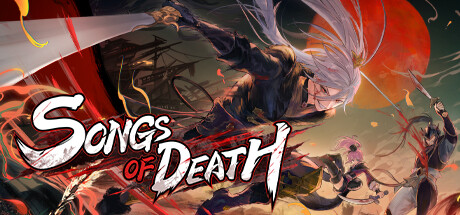
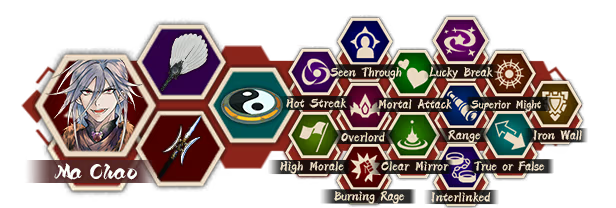
Songs of Death is a hauntingly atmospheric, narrative-driven action-adventure that fuses myth, music, and mortality into a striking and emotionally resonant experience. Developed by DreamStep and Wild Kid Games and published by Lightning Games, it distinguishes itself through its thematic ambition—rather than offering a traditional heroic quest, the game explores grief, sacrifice, ancient curses, and the transformative power of song. The world is built upon folklore and spiritual symbolism, portraying a land where music doesn’t merely entertain—it heals, destroys, awakens memories, and bridges realms. From the opening chapter onward, the tone is somber yet beautiful, filled with quiet tragedies, forgotten histories, and fleeting moments of grace that anchor the story in human vulnerability rather than fantasy spectacle.
Gameplay blends exploration, combat, environmental puzzles, and rhythm-infused mechanics that give the world a lyrical sense of movement. The protagonist’s voice or instrument-driven abilities serve as both weapons and tools, allowing players to manipulate enemies, reveal hidden paths, or interact with the environment through melodic patterns rather than raw force. This design choice gives the game a distinctive identity, merging action mechanics with musical intuition. Combat is deliberate rather than frantic—timing, positioning, and song selection matter more than button mashing. Enemy encounters are often puzzles in disguise, requiring players to observe weaknesses, interpret audiovisual cues, or choose harmonies that counter specific threats. These musical systems create a refreshing layer of strategy, making each battle feel like a performance rather than a routine obstacle.
Exploration reinforces the game’s emotional and thematic core. Environments—ruins swallowed by vegetation, abandoned villages, ethereal spirit realms, desolate plains—are meticulously crafted to feel both beautiful and burdened by loss. The world tells its own story through subtle environmental details: torn tapestries, scattered instruments, gravemarkers, murals depicting forgotten rituals. NPC interactions deepen this atmosphere, offering fragmented histories, moral dilemmas, and personal reflections that encourage empathy rather than simple quest progression. Progression feels organic—new songs open pathways, reveal secrets, or unlock emotional connections rather than act as arbitrary skill gates. The game rewards curiosity with lore, worldbuilding, and meaningful optional encounters rather than empty collectibles.
Visually, Songs of Death stands out with its painterly art direction, blending stylized character designs, dramatic lighting, and intricate environment textures that feel almost impressionistic. Animation carries emotional nuance, particularly during musical sequences where body language and sound interweave to convey meaning. The soundtrack—central to the game’s identity—is evocative, melancholic, and thematically rich, featuring traditional instrumentation, vocal harmonies, and subtle ambient layering. Music isn’t just background—it is narrative, gameplay, and emotional punctuation. Sound design reinforces spatial awareness, danger, calm, and spiritual presence, making the act of listening as important as watching or reacting. Few games integrate audio and worldbuilding with such intentional cohesion.
Narratively, the game excels through restraint, trusting players to interpret themes rather than spelling everything out. The protagonist’s personal journey—whether driven by guilt, duty, love, or destiny—unfolds gradually, letting emotional stakes build naturally rather than through exposition-heavy cutscenes. Supporting characters are flawed, human, and morally complicated, reflecting the story’s emphasis on consequence rather than clear-cut good and evil. Myth and reality frequently blend, leaving players unsure whether events are literal, metaphorical, or spiritual visions. This ambiguity enhances the world’s mystique and reinforces the game’s recurring question—what does it truly mean to live, die, and be remembered?
However, Songs of Death does have limitations, many rooted in its artistic ambitions. The pacing may feel slow to players expecting constant action, especially during reflective or exploration-heavy segments. The rhythm-based abilities, while innovative, may challenge those unfamiliar with timing-driven mechanics, occasionally disrupting combat flow. Some puzzles rely on auditory perception, which may require accessibility adjustments the game doesn’t fully support. Additionally, technical performance may vary depending on hardware—certain scenes, heavy effects, or transitions might show occasional stuttering. While the story’s emotional subtlety is a strength, players seeking explicit plot resolution or detailed lore explanations may find it too open-ended.
Despite these potential hurdles, Songs of Death remains a deeply memorable experience because it prioritizes artistry, identity, and emotional truth over genre convention. It offers a world where combat feels expressive, exploration feels purposeful, and music serves as both narrative language and survival tool. DreamStep, Wild Kid Games, and Lightning Games have crafted a thoughtful, poetic adventure that lingers long after completion—not because of bombastic set pieces, but because it speaks to universal human fears and hopes through melody, silence, and story. For players who value atmospheric worldbuilding, thematic storytelling, unique combat systems, and games willing to embrace melancholy beauty, Songs of Death stands as a powerful and resonant journey worth taking.
Rating: 8/10