
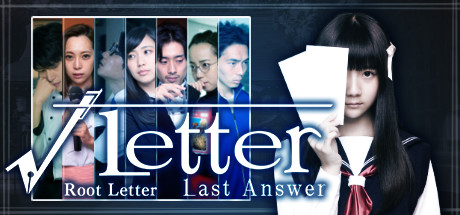
A mystery adventure which is solved by using two visual features: Live Action and Illustrations.
Modeled estimate, not a reported figure. How we estimate →
Media

About
Genres
Stats
All-time low is the lowest price we've recorded for this game since we started tracking it.
Languages: Japanese*, English, Traditional Chinese*languages with full audio support
Engagement
Reviews
Themes across 41 recent reviews and how positive each mention is. A keyword signal, not full sentiment analysis.
Reviews
太精彩了,感觉真的到了松江旅游了一样
玩了五小时才发现原来还有降维打击的二次元模式
很喜欢!!!虽然故事并没有很惊艳,但是带给我的体验是极佳的,说实话,我玩完之后也想去旅游了呢wwww游戏里描写的很有趣,很温馨的日常活动让我很感动~不过有一个结局很惊悚!!!
Related
Related
Trends
Concurrent players on Steam, sampled daily since tracking started.
Hours played at review time, across 41 reviews with recorded playtime.
positive critical· bar length = how often the theme comes up
Далі будуть мої (малозв'язні) думки, що сидять у мене в голові після завершення цієї візуальної новели. Це не огляд, рецензія чи не дай боже аналіз. ДужеДовго;НеЧитав Амбіції грандіозні, а на ділі лажа. Починається історія з того, що гг вирішує закрити гештальт і дізнатися, що сталося з його подругою за перепискою, з якою він листувався 15 років тому, але яка одного дня перестала йому писати. Якщо вам здається, що 15 років це трохи занадто, то вам не здається. Забігаючи наперед, в купі з фразою з опенінгу про те, що "ця історія є сумною", я цілком очікував знайти Аю (Шіорі) спочиваючою у могилі. Але нехай - на це можна закрити очі як на сумбурний зачин, якщо його буде з лихвою відшкодовано рештою історії. Опинившись у містечку Мацуе, гравець швидко дізнається, що це не проста кінетична новела, та що йому доведеться докласти зусиль: займатися піксельгантингом, стежити за інвентарем, та блукати різноманітними локаціями - все у кращих традиціях квестів. Особисто мені ці механіки подобалися перші декілька глав, та вже скоро стали набритати своєю надмірною присутністю. На умовний 5-ий день перебування в префектурі Шімано ваша мапа буде забита локаціями, половину з яких ви відвідаєте лише раз, та яких можна дістатися, тільки знайшовши їх у довжелезному списку одноманітних назв. Але не суть. Почавши розплутувати клубок таємниць, пов'язаних із Аєю Фуміно, гг споминає отримані від неї листи та намагається відшукати її колишніх друзів, аби наблизитися до правди про те, що сталося. Деяких з однокласників Аї (Шіорі) було цікаво встановлювати та виводити на чисту воду, тоді ж як інші були тягомотиною. Ні, навіть не так. У кожного однокласника щось було реалізовано на 12 балів, а щось - на 2. ПРИКЛАД №1: Передісторія Товстуна цікава, але те, що треба було зробити для того, щоб її дізнатися - сумне страшне і темне. *тут мав бути другий приклад, але у мене зараз каша в голові, тому не цього разу* Крім набридливих завдань а-ля "піди туди, не знаю куди, принеси те, не знаю що", мені також не сподобалося те, що персонажі часто поводяться дивакувато та нелогічно, і що нерідко з'являються абсурдні підсюжети: Ні, моїх слів не мало бути достатньо, аби переконати тебе розповісти мені про Шіорі. Ні, я не хочу витрачати пів дня у пошуках золотої кицьки. Ні, той факт що я МІГ знати про твою спробу зґвалтувати твою подругу - це не привід мене ВБИВАТИ. Яка в ♥♥♥♥♥ платівка, діду? Які в ♥♥♥♥♥ прибульці? Так, щось я знову відійшов від теми. Допит однокласників складається з двох частин: пошуку зачіпок та отримання предметів, які стануть в пригоді під час допиту, та власне сам допит. Про нудність першого я вже розказав, тому перейду до другого. Грі успішно вдається створити хайп навколо загнання друзів Шіорі в кут - я аж згадав, як свого часу робив те саме під час класних судів у данганронпі (чому неабияк сприяє РЕЖИМ МАКСИМА - квінтесенція пафосу та МАКСИМАЛЬНОСТІ). Але і тут не без недостатку - дедукція, яку гра очікує від гравця часто є нелогічною та прямо-таки нісенітною. ПРИКЛАД: Підказка: "Гмм, якщо я спитаю його напряму, то він навряд чи щось мені розповість. Треба зайти здалеку." РОЗГАДКА: "СПИТАТИ В НЬОГО НАПРЯМУ." Уххх, заспокойся мік. Встановивши особи всіх друзів Шіорі та склавши більшу частину пазлу докупи, гг зустрічається із усією сімкою для владнання решти питань. Причина, через яку друзі приховують правду про Аю та Шіорі залежить від руту, але всі вони - такі собі. Імго жодна з причин не є достатньо ґрунтовною та скоріше є відмазкою від авторів, аніж справжньою мотивацією персонажів. О, раз я вже згадав за рути, то давайте я розкажу про них. У грі присутні: 1) Перетин шляхів - нейтральна кінцівка. Жахлива. Під час кульмінації, коли всі гуртом несуться до Шіорі, професор Фуміно каже "Даруйте, ще вона пропрацювала у цій лікарні купу років, але буквально вчора вона вирушила до Африки доглядати за чорнодупими, хворими на еболу". Мало того, що автори вирішили так безцеремонно послати нас після усього подоланого шляху, відправивши її в найнеприємніший кут Землі з ідіотської волонтерської причин (як це зробив Шіро Емія з фейту - різниця в тому що він СПОЧАТКУ досягнув своєї мети, а вже потім поїхав марнувати своє життя на близький схід - тут же ані гг не зміг побачитися із небайдужою йому жінкою, ані її друзі не змогли налагодити відносини з нею); але вони ще й мали нахабство зробити це нашвидкуруч - ні, навід'їбись. Ви 10 годин свого життя приділяєте твору, а у відповідь він каже вам "Ну, коротше всі ваші зусилля були марні, ви запізнилися на один день, все, давайте йдіть вже". За рівнем докладених зусиль це нагадує клішоване "та все це було лише сном". І ні, те що це "нейтральна" кінцівка не є виправданням халатності. 2) Принцеса лісу Хімеґаморі - погана кінцівка, в якій Шіорі програє Аї. Що було далі - я вже не пам'ятаю, хоч і читав вчора. 3) Проклятий лист - погана кінцівка. Що сталося в ній я теж не пригадаю - пам'ятаю тільки те, що як в цій, так і в попередній кінцівках всі загинули. 4) Державна змова - гумористична кінцівка, в якій виявляється, що Ая - це іншопланетянка, та що правду про неї приховували не лише її друзі, а й тіньовий уряд. Гг стирають пам'ять, а потім саджають у дурку. Неіронічно найкраща з наразі описаних мною кінцівок бодай через те, що вона не претендує на серйозність - а тому і погано напианий сценарій не такий кидається в око. 5) Узи шлюбу - істинна (читай гарна) кінцівка. Так, нам набрехали - ця історія не сумна. Зрештою, добре те, що добре кінчається. У цьому руті друзі Шіорі були відвертими гнідами по відношенню до неї коли вони були в школі, але які нарешті знайшли в собі сили подивитися їй в очі і вибачитися за свою безчесну та неналежну "друзям" поведінку. На відміну від Перетину шляхів, коли гурт навідується до клініки, то Шіорі і досі там. Я не міг дочекатися, коли ж я побачу те, як сімка буде возз'єднуватися зі своєю старою подругою, та як наш гг вперше зустрінеться зі своєю спорідненою душею... Кожен друг сказав по реченню, гг обмінявся парою-трійкою прохолодних слів... ... І ЦЕ ВСЕ????????????????????????? Я очікував задушевної розмови друзів, які не бачилися вже 15 років (!!!). Я очікував інтимної першої зустрічі двох закоханих, що попри пітори декади часу та бозна-скільки кілометрів відстані все одно змогли зберегти спалах юнацького кохання... Натомість автори вирішили так само пробігтися кінцівкою, як вони це зробили в Перетині шляхів. АГОВ, ВИ НАПИСАЛИ ВСТУП, ОСНОВНУ ЧАСТИНУ, ПОЧАТОК КУЛЬМІНАЦІЇ, А ПОТІМ СТРИБНУЛИ ОДРАЗУ ДО ЕПІЛОГУ! О, так, я забув згадати - тут є епілог. ЕПІЛОГ В ЯКОМУ ГГ ТА ШІОРІ - НАРЕЧЕНІ. ВИ ЗОВСІМ З ГЛУЗДУ З'ЇХАЛИ Я ВАС ПИТАЮ???????? Фухххх, це було тяжко згадувати і ще важче - читати. Я покладав великі надії на істинну кінцівку, адже до цього новела була такою собі - сумішшю гарного й поганого в пропорції один до одного. На жаль мої сподівання не справдилися, і кінцівка не змогла врятувати ситуацію. А я ще той плаксій - дай мені щасливу кінцівку попри всі перешкоди і я за обидві щоки її умну. Це як треба постаратися, аби не догодити мені гепі ендом? Це були мої субурні враження після проходження Root Letter. Однак мені ще є що сказати, але чому не знайшлося місця вище: **ПРОДОВЖЕННЯ В КОМЕНТАРЯХ**
悬疑推理纯粹是噱头,像一部非常平淡无惊喜的旅游宣传片,想云旅游的可以试试,不推荐骨折价以外入,完全不推荐悬疑爱好者入
还可以,角色很好看,BGM挺好听的,就是共同线太长了,剧情个人觉得还可以
Root Letter: Last Answer, developed and published by Dragami Games, is a narrative-driven visual novel that combines mystery, drama, and human emotion into a story about memory, regret, and the power of the past. Set in the quiet and picturesque town of Matsue in rural Japan, the game places players in the role of a man revisiting a long-lost correspondence with a high school pen pal named Aya Fumino. Years after their letters abruptly stopped, he discovers an unopened final message that contains a chilling confession—Aya claims to have committed a murder. Compelled by a mixture of curiosity and guilt, the protagonist travels to Matsue to uncover the truth behind her disappearance and the meaning of her last letter. What follows is a story that gradually shifts from nostalgia to obsession, weaving a mystery that blurs the line between reality and imagination. One of the most striking aspects of Root Letter: Last Answer is its dual presentation. Players can choose between the original anime-inspired artwork or a new “Drama Mode” that uses live-action photography and real actors to portray the story. This option drastically changes the tone of the experience, as the stylized hand-drawn visuals lend a soft, sentimental feeling, while the live-action imagery makes the story more grounded and unsettling. The recreation of Matsue in the live-action mode is particularly impressive; streets, cafés, and shrines are based on real-world locations, giving the game an authentic sense of place that enhances its emotional resonance. The environments—whether rendered or photographed—capture the beauty of small-town Japan with an undercurrent of melancholy, as if the quiet scenery conceals the weight of unspoken secrets. This attention to atmosphere allows the player to feel both like an outsider investigating a mystery and a participant retracing emotional footprints from years past. Gameplay unfolds primarily through dialogue and exploration, consistent with traditional visual novels. Players read through exchanges with various characters—Aya’s former classmates, now adults leading ordinary lives—and slowly piece together fragments of truth through interviews and evidence gathering. The structure of the investigation is straightforward but rewarding, as each encounter reveals layers of personality and backstory, exposing how the past continues to haunt everyone involved. Occasionally, players enter “Max Mode,” a more interactive segment that allows them to confront suspects and challenge contradictions using collected evidence. While not as mechanically deep as courtroom-style games like Ace Attorney, these moments add tension and variety to the narrative flow. Decisions made earlier, particularly in how the protagonist responds to Aya’s old letters, influence the direction of the story and determine which of several endings players will reach. These branching paths encourage multiple playthroughs, as the game’s later chapters diverge significantly based on prior choices. The writing in Root Letter: Last Answer carries both the strengths and weaknesses common to the visual novel genre. At its best, the story captures the quiet poignancy of nostalgia—the feeling of revisiting old friendships, confronting lost opportunities, and facing the ghosts of youthful innocence. The dialogue often touches on universal themes of guilt, forgiveness, and the longing for closure, which make the narrative emotionally resonant even when it strays into melodrama. However, the pacing can be uneven, particularly during the early chapters, where exposition and repetitive interactions slow the momentum of the mystery. The localization occasionally feels awkward, with certain lines losing their emotional nuance in translation. Despite these flaws, the story remains compelling thanks to its central mystery and the underlying humanity of its characters. As the investigation progresses, what begins as a simple search for a missing pen pal transforms into a meditation on truth, perception, and the stories we tell ourselves to cope with pain. Root Letter: Last Answer’s enhancements over the original version are modest but meaningful. In addition to the live-action presentation, the game introduces new epilogues that provide closure for each of the major endings, fleshing out characters’ motivations and tying up loose narrative threads. These additions help balance the sometimes abrupt tonal shifts of the base game, giving players a more satisfying sense of resolution. The voice acting, while understated, complements the game’s tone, and the music does an excellent job of reinforcing the mood—gentle piano themes and ambient tracks underscore both the warmth of nostalgia and the tension of the unfolding mystery. The overall production values reflect a thoughtful remaster that seeks to expand the original experience rather than reinvent it. While Root Letter: Last Answer may not appeal to those seeking fast-paced gameplay or intricate mechanics, it excels as a character-driven story that rewards patience and emotional engagement. It’s a game built on introspection rather than action, inviting players to reflect on their own relationships and the power of memory to shape identity. Its world feels alive, not because of dynamic systems or open exploration, but because of the authenticity of its people and places. The town of Matsue becomes more than a backdrop—it becomes a living memory, both comforting and haunting. The story’s conclusion, depending on the choices made, can range from tender reconciliation to surreal tragedy, but in every version, it leaves a lingering impression about the complexity of truth and human connection. Ultimately, Root Letter: Last Answer stands as a quiet, thoughtful work in a genre that thrives on emotion and atmosphere. Its hybrid presentation, heartfelt writing, and focus on personal mystery distinguish it from other visual novels, even if its pacing and tone occasionally falter. It’s a game that speaks to the beauty of ordinary lives entangled in extraordinary circumstances, and to the timeless desire to understand the people who once mattered most. For players who appreciate reflective storytelling, cultural authenticity, and a slow-burning mystery wrapped in nostalgia, Root Letter: Last Answer offers an experience that feels both intimate and profound—a letter from the past that lingers long after it has been read. Rating: 8/10
really like the plot of the game. I noticed the misdirection but still enjoy the process.
劇情有點短
原版没必要买
Audience
Estimated from the language of this game's reviews — a proxy for where players are, not official Steam demographics.
Related
| Roblox | $2.5B | 50.1M | 84% | Free |
| Pokémon GO | $839.2M | 15.4M | 73% | Free |
| Black Myth: Wukong | $794.9M | 1.2M | 97% | $59.99 |
| PK XD: Fun, friends & games | $538.5M | 6.4M | 94% | Free |
| DayZ | $531.7M | 465.8K | 78% | $49.99 |
| 7 Days to Die | $425.3M | 403.6K | 87% | $44.99 |
Related
| My Big Sister: Remastered | $7.1K | 230 | 92% | $2.23 |
| Town of Night | $7.1K | 168 | 50% | $1.99 |
| Humans Must Answer | $7.1K | 63 | 62% | $4.99 |
| Sudoku Quest | $7.1K | 84 | 67% | $4.99 |
| The Princess' Heart | $7.1K | 63 | 60% | $4.99 |
| Car Mechanic Manager | $7.1K | 84 | 54% | $4.99 |