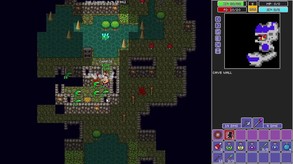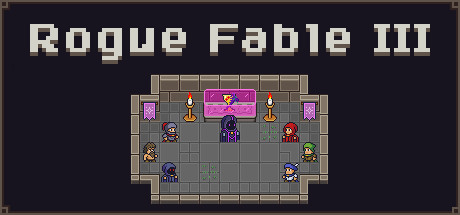
Rogue Fable III is a traditional rogue-like game which combines the depth, complexity, and challenge of the genre classics with a shorter, more tightly focused game length.
Modeled estimate, not a reported figure. How we estimate →
Media
About
Stats
All-time low is the lowest price we've recorded for this game since we started tracking it.
Languages: English
Engagement
Hours played at review time, across 40 reviews with recorded playtime.
Reviews
Themes across 40 recent reviews and how positive each mention is. A keyword signal, not full sentiment analysis.
positive critical· bar length = how often the theme comes up
Reviews
[h3]Very well done classical roguelike[/h3] Traditional roguelike mechanics. The main draw is the complexity that comes from the large number of race/class combinations, but there is also a lot of customization of your build that comes from finding random ability books in the dungeon that can partially cross-train you into other classes. The movement, equipment, and combat mechanics have been very streamlined in a good way without losing complexity. The addition of terrain with different effects (and differing degrees of combustibility) adds a nice strategic touch to the gameplay and stops the combat from getting as stale as in traditional RLs.
Rogue Fable III is a classic roguelike developed and published by Pixel Forge Games that successfully modernizes one of gaming's oldest genres without abandoning its defining principles. Built around the timeless quest to recover the legendary Goblet of Yendor from the dangerous Dungeon of Dread, the game places its emphasis on strategic gameplay rather than cinematic storytelling. Instead of relying on lengthy cutscenes or an elaborate narrative, it delivers a focused adventure where every expedition is shaped by procedural generation, meaningful choices, and the constant tension between risk and reward. Its straightforward premise allows the mechanics to take center stage, resulting in a rewarding experience that appeals to both genre veterans and players discovering roguelikes for the first time. One of the game's standout qualities is its commitment to making traditional roguelike mechanics more approachable. While it preserves staples such as permanent death, turn-based movement, randomized dungeons, and careful resource management, it presents these systems through a clean interface and intuitive design. The result is a game that avoids overwhelming newcomers with unnecessary complexity while still providing enough tactical depth to satisfy experienced players. Every encounter requires deliberate planning, and even the smallest mistake can have lasting consequences, reinforcing the importance of patience, observation, and smart decision-making throughout each adventure. Unlike many classic roguelikes that demand marathon play sessions, Rogue Fable III embraces a shorter and more accessible structure. A successful run can often be completed in less than an hour once players become familiar with its mechanics, making it easy to enjoy multiple attempts in a single sitting. This streamlined pacing encourages experimentation with different characters, strategies, and playstyles because failure never feels like an enormous loss of time. Instead, every defeat teaches valuable lessons that improve future runs, creating an addictive gameplay loop where progress comes from the player's growing knowledge rather than permanent upgrades or excessive grinding. Combat is one of the game's strongest features thanks to its emphasis on tactical positioning and thoughtful planning. Every action takes place in turns, allowing players to carefully assess enemy movements, evaluate available resources, and determine the safest course of action. Charging recklessly into battles is rarely rewarded, as success depends on understanding enemy abilities, taking advantage of terrain, and making efficient use of equipment and special skills. Encounters remain engaging because each battle presents a unique puzzle, forcing players to constantly adapt rather than relying on repetitive strategies. Replay value is exceptionally high due to the game's extensive variety of character options, randomized dungeon layouts, and unpredictable loot distribution. Different heroes offer distinct strengths and playstyles, encouraging players to explore new approaches with every run. Equipment, abilities, monsters, and dungeon configurations change each time, ensuring that no two adventures unfold in exactly the same way. This constant variation keeps exploration fresh while reinforcing the genre's signature sense of discovery and uncertainty. Every descent into the dungeon feels like a new challenge where adaptability is just as important as experience. The dungeon itself is carefully designed to maintain a steady sense of progression and danger. As players venture deeper, enemies become increasingly threatening while valuable treasures and powerful equipment become more tempting. Every floor introduces new tactical considerations, forcing players to balance exploration with survival. The search for the Goblet of Yendor provides a satisfying long-term objective, but reaching it requires mastering every aspect of the game's mechanics. The difficulty feels demanding without becoming unfair, rewarding careful planning and intelligent play rather than luck alone. Visually, Rogue Fable III embraces an attractive pixel art style that perfectly complements its retro-inspired gameplay. Character sprites, monsters, environmental details, and spell effects are all easy to distinguish, making the battlefield readable even during hectic encounters. The minimalist presentation prioritizes clarity over flashy visual effects, which is especially important in a game where every decision can determine success or failure. Complementing the visuals is a fitting soundtrack and sound design that enhance the dungeon's atmosphere without distracting from the tactical focus of the gameplay. What truly elevates Rogue Fable III is its understanding of why classic roguelikes remain beloved decades after their creation. It respects the genre's demanding nature while eliminating many of the frustrations that have traditionally limited its audience. The shorter campaign length, polished interface, balanced difficulty, and emphasis on meaningful decision-making create an experience that feels both nostalgic and refreshingly modern. Rather than simplifying its mechanics, the game refines them into a more inviting package that remains deeply satisfying for players willing to learn its systems. Rogue Fable III is an excellent example of how thoughtful design can preserve the spirit of a classic genre while making it more accessible to contemporary audiences. Its rewarding tactical combat, high replayability, fair challenge, and efficient pacing combine to create a compelling dungeon-crawling adventure that encourages repeated playthroughs. Although those seeking cinematic storytelling or cutting-edge graphics may find its presentation modest, fans of strategic gameplay and procedural adventures will discover an exceptionally polished roguelike that consistently delivers engaging and memorable runs. Rating: 8/10
A friend challenged me to beat this game on my first try without me having any prior experience. I lost the bet. No fox girl cosplay for me... Oh. I guess the game was good though.
Waves, and waves and waves of summons.
Great game! Seems inspired by shattered pixel dungeon, but build in a very different king of way. This one is more 'fast paced' with great terrain usability. Took me 36 hours to beat it. Had a lot of fun and great time. Some nerves burned on crystal golems and random deaths due to my inattention. Recommend to everyone who is into dungeon crawlers and roguelike.
A beautiful little roguelike with a lot of playstyle combinations, it's easy to play but still challenging and complex. Well worth the price.
Meh. Lacks originality, balance, and novel mechanics, but it's a fine skinner box.
quite good, especially for the price. A little more variety in the branches would be welcome
Bare bones roguelike with a repetitive and un-interesting early game, where random luck on the first few floors determines the rest of your run. And given how rote the gameplay is, I agree with the other reviewers that this feels like a FlashMX auto-battler turned roguelike. I'm also getting really tired of all these indie games having tilesets obviously "inspired" by Zelda 3. I get it, SNES was your childhood, but surely y'alls can come up with some different ideas for your top-down pixel art games.
Congrats on making a decent game that has weird and ridiculous win conditions. Just play another Metroidvania that doesn't try so hard to make it difficult.
Related
Related
Trends
Concurrent players on Steam, sampled daily since tracking started.
Momentum
Pace estimated from the game's recent review growth (our daily snapshots) at its own sales-per-review ratio — a momentum signal, not booked sales.
Audience
Estimated from the language of this game's reviews — a proxy for where players are, not official Steam demographics.
Related
| Welcome to Doll Town | $151.8K | 427 | 46% | $12.99 |
| Suck Up! | $151.8K | 250 | 58% | $16.99 |
| Irotoridori No Sekai HD - The Colorful World | $151.7K | 267 | 96% | $34.99 |
| Only You | $151.7K | 846 | 94% | $6.99 |
| Asterix & Obelix: Slap them All! | $151.7K | 345 | 62% | $24.99 |
| Elroy and the Aliens | $151.7K | 472 | 97% | $9.89 |
Related
| 7 Days to Die | $425.3M | 403.5K | 87% | $44.99 |
| Mount & Blade II: Bannerlord | $309.8M | 293.9K | 88% | $49.99 |
| Don't Starve Together | $130.6M | 373.1K | 95% | $14.99 |
| Mount & Blade: Warband | $101.9M | 171.6K | 98% | $19.99 |
| The Isle | $59.9M | 116.6K | 80% | $19.99 |
| Mewgenics | $56.1M | 51.7K | 90% | $29.99 |