Red Dust is a fast-paced top-down shooter set in a gritty sci-fi western world, featuring intense gunfights, exploration, and skill-driven combat.
Modeled estimate, not a reported figure. How we estimate →
Media

About
Red Dust is a top-down action shooter set in a harsh sci-fi frontier where survival depends on fast reflexes and precise gunplay. Players fight through hostile environments filled with enemies, hazards, and high-pressure combat encounters.
The game focuses on immediate action, tight controls, and constant movement rather than slow or turn-based mechanics.
Combat in Red Dust rewards accuracy, positioning, and quick decision-making. Encounters are designed to keep players engaged with frequent enemy waves and escalating threats.
Between firefights, players explore dangerous locations, uncovering new areas and challenges while pushing deeper into the hostile world.
Red Dust blends science fiction with western-inspired themes, creating a rough, unforgiving tone. The environments emphasize isolation and danger, reinforcing the feeling of being alone on a hostile frontier.
This is a combat-focused, single-player experience built for players who enjoy constant action and mechanical mastery.
Top-down action shooter gameplay
Fast-paced, skill-based combat
Sci-fi setting with western influences
Exploration-driven level design
Combat-focused single-player experience
Designed for short sessions or extended play
Stats
All-time low is the lowest price we've recorded for this game since we started tracking it.
Languages: English**languages with full audio support
Engagement
Hours played at review time, across 32 reviews with recorded playtime.
Reviews
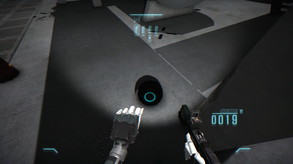
Red Dust, developed by Mukorka, is an experimental first-person shooter that emphasizes tension, realism, and survival over spectacle. It is an indie project that strips the genre down to its most nerve-wracking essentials, forcing players to navigate an unforgiving landscape where precision and patience are the only paths to success. The premise is simple yet starkly effective—you are placed in a procedurally generated environment covered in desolate terrain, and your goal is to endure long enough to gather resources, upgrade your equipment, and survive encounters with hostile forces. There are no elaborate storylines or cinematic sequences to guide you; instead, the game relies on atmosphere, silence, and the constant awareness that a single mistake can undo everything. It is an exercise in controlled anxiety, where the emptiness of the world becomes a character in itself. The structure of Red Dust feels more like a survival simulation than a traditional action game. Every decision carries weight, from the way you load your weapon to how you move across open ground. Ammunition is limited and valuable, forcing players to think carefully before engaging enemies. Reloading is done manually—magazines must be managed and ammunition types swapped, turning what is often an afterthought in other shooters into a deliberate, tactile process. The emphasis on mechanical detail gives the gunplay a tangible sense of authenticity, and the slow, methodical pacing transforms each encounter into a test of composure. In these moments, the game captures a kind of quiet intensity that few modern shooters attempt, recalling the feeling of older, more experimental titles like Receiver, where survival depended more on knowledge and calm than on reflexes alone. What makes Red Dust compelling is also what makes it polarizing. Its punishing difficulty and strict realism mean that progress can feel like a battle against the game itself as much as against its enemies. A single bullet can end a run, sending you back to scavenge all over again. The procedural generation ensures that no two attempts are quite the same, but it also introduces uneven pacing and occasional stretches of emptiness where the challenge momentarily gives way to monotony. Players who thrive on mastery and persistence will find satisfaction in its demands, but those expecting a smoother progression curve may feel alienated by its uncompromising nature. The learning curve is steep, and the reward is largely self-made—the satisfaction comes not from completing missions but from surviving a few minutes longer than before. Visually, Red Dust conveys its world with a muted, minimalist style that reinforces its themes of isolation and decay. The landscapes, rendered in dusty tones and sparse structures, evoke a sense of abandonment that suits the game’s atmosphere perfectly. There are no grand vistas or detailed cityscapes; instead, you explore open fields, broken machinery, and pockets of resistance scattered across the terrain. The simplicity of the visuals works to the game’s advantage, channeling the player’s focus toward survival rather than aesthetics. The sound design follows a similar philosophy—ambient wind, distant footsteps, and the mechanical click of a weapon dominate the audio space, amplifying the sense of solitude and alertness. It is a world defined as much by what you don’t hear as by what you do. From a technical and design standpoint, Red Dust is rough around the edges, but that rawness aligns with its identity as an uncompromising indie project. The controls, while functional, can feel sluggish during tense moments, and the collision and animation systems occasionally break immersion. The lack of variety in enemy behavior and environmental interaction means that repetition can set in after extended play. Yet, the procedural structure and the sheer unpredictability of each run create a sense of emergent storytelling—players craft their own experiences through trial, error, and adaptation. Every narrow escape, every well-timed reload, and every failed attempt becomes a story of survival in miniature, even if the game never articulates one directly. Red Dust ultimately stands as a niche but fascinating piece of design philosophy: a shooter that rejects comfort in favor of immersion, risk, and realism. It is a game that demands patience and precision, rewarding those who approach it as a simulation of vulnerability rather than a power fantasy. While it may lack the polish, accessibility, and narrative structure that define mainstream shooters, it succeeds in offering something raw and distinct—a stripped-down, anxiety-driven experience that turns every engagement into a life-or-death calculation. For players who appreciate the challenge of mastering intricate systems and enduring harsh environments, Red Dust offers a bleak but rewarding journey. For everyone else, it serves as a reminder that sometimes, the most memorable games are the ones that make survival itself feel like an achievement. Rating: 6/10
не берите эту дичь, я расстроен. даже с скидкой мне жалко деньги но их не вернуть уже.
Related
Related
Trends
Modeled estimate over time, reconstructed from Steam's monthly review histogram.
Momentum
Pace estimated from the game's recent review growth (our daily snapshots) at its own sales-per-review ratio — a momentum signal, not booked sales.
Audience
Estimated from the language of this game's reviews — a proxy for where players are, not official Steam demographics.
Related
| 100 Find Kitties: Thief | $803.5 | 76 | 95% | $0.99 |
| Succubus's making lunch | $804 | 58 | 74% | $0.99 |
| Jurassic Attack | $804.9 | 65 | 74% | $0.49 |
| Little Adventurer III | $805 | 59 | 22% | $0.90 |
| Shoot, push, portals | $800.8 | 80 | 84% | $0.72 |
| Bunny Space Odyssey: The countdown | $800.7 | 52 | 98% | $0.99 |