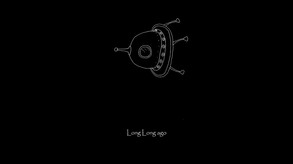
Minimalist style game : plankton simulation, an electronic pet generated by math codes. Under your care it will slowly grow up and evolve.
Modeled estimate, not a reported figure. How we estimate →
Media

About
Genres
Stats
All-time low is the lowest price we've recorded for this game since we started tracking it.
Languages: English*, Simplified Chinese**languages with full audio support
Engagement
Reviews
I like when he eats it's very good :3
Bought this game half off on a whim. To my surprise, it was a wonderful experience. At the time of review, there are two chapters, the first of which I beat in a short bit of time. Overall, I would suggest this game as a fun background game or desktop, I only wish there was more content.
Related
Related
Trends
Modeled estimate over time, reconstructed from Steam's monthly review histogram.
Hours played at review time, across 40 reviews with recorded playtime.
Plankton, developed and published by PanGuoJun, is a quietly unconventional experience that blurs the line between simulation, generative art, and interactive meditation. Rather than presenting players with objectives, enemies, or structured progression systems, it invites them into a microscopic digital ecosystem—a drop of water inhabited by abstract lifeforms whose behavior is governed by mathematical principles. It is less concerned with challenge and more focused on observation, growth, and the beauty of emergent patterns. At its core, Plankton functions as a life simulation built on procedural generation. The organisms within the environment are not pre-designed creatures with fixed animations, but forms shaped by trigonometric functions and evolving variables. Their movement, structure, and interactions arise from code rather than scripted events. As a result, what players witness is an evolving dance of geometric shapes and organic motion. The visual effect can feel hypnotic, as simple points and lines gradually transform into complex, almost biological forms that drift and react within the contained aquatic space. Interaction is intentionally minimal. Players influence the environment by introducing organisms or providing resources, but they do not micromanage individual entities in a traditional simulation sense. Growth unfolds gradually, and changes often occur in subtle ways over time. This deliberate pacing encourages patience. Rather than demanding constant input, the game rewards stillness and attention. Watching organisms adapt, multiply, or alter their appearance becomes the primary source of engagement. In this sense, Plankton resembles a digital terrarium—an enclosed ecosystem that continues evolving whether you actively intervene or simply observe. Visually, the presentation is stripped down and abstract. The color palette and design avoid clutter, focusing on contrast and motion to highlight the evolving shapes. There are no elaborate textures or high-fidelity creature models. Instead, the beauty lies in how mathematical simplicity gives rise to surprising complexity. The organisms’ movements feel fluid and natural despite their geometric foundations, reinforcing the impression that you are observing a living micro-world rather than a set of algorithms. The understated visual design helps maintain the contemplative atmosphere. Sound design, when present, complements the experience with subtle ambient tones rather than dramatic musical cues. The overall sensory package encourages immersion in a calm, darkened environment. The game is best experienced not as a background distraction but as a focused visual meditation. Its quiet tone distinguishes it from more active simulation games that rely on frequent events or dynamic challenges to sustain attention. Because of its unconventional structure, player reception often depends heavily on expectations. Those approaching Plankton as a traditional game may find it lacking in direction or depth. There are no goals to complete, no narrative arcs to uncover, and no escalating mechanics to master. However, players open to experimental or art-driven interactive experiences may find it uniquely soothing. It offers a kind of digital serenity, where the pleasure comes from witnessing systems unfold rather than conquering them. The longevity of the experience varies accordingly. Some players may spend brief sessions observing the ecosystem and return occasionally for its calming qualities. Others might lose interest once the novelty of procedural growth diminishes. The design does not push toward long-term progression; instead, it exists as an ongoing space for observation and quiet experimentation. Ultimately, Plankton stands out not because of mechanical complexity but because of its philosophical approach. It treats code as a medium for life-like expression and invites players to reflect on the connection between mathematics and organic form. It is an exploration of emergence rather than achievement, of watching rather than winning. For those who appreciate generative art and minimalistic simulations, it offers a serene and thought-provoking experience. For players seeking structured challenges or narrative-driven gameplay, it may feel more like an interactive screensaver than a conventional title. Within its niche, however, it remains a distinctive and contemplative digital ecosystem worth exploring. Rating: 6/10
I am 32 years old. My ex-wife and I have a daughter together, and we adopted our son together. Both are now 4 years old. When we were going through our separation, I felt lost and unhappy. I was self-destructive. One day, I was so angry with everything spiraling out of control that I punched a concrete wall in a moment of overwhelming emotion. This resulted in breaking my fifth metacarpal in my right hand—the hand I worked with, played games with, and used to carry my children to bed—the hand I desperately needed to ensure I could continue providing. Upon learning the severity of the self-inflicted damage, I became almost suicidal. Keep in mind that just a few months before this, I was the happiest man, with no history of depression or anxiety. I had never experienced anger outbursts, nor was I the type to break down and cry, but I was in a tough situation that truly prevented me from seeing the light on the other side. With nothing better to do, I looked for a game I could play WITH ONE HAND while recovering. Somehow, I stumbled upon this game and read some of the comments. I decided it was worth a try... I must admit I didn't beat the game, nor did I play as much as some of you. In fact, I may have played this game for only a day or two. That being said, after doing so, I had a new joy and hope for life. I managed to leave behind the pain and suffering that had been thrust upon me. I could experience the joy and happiness of other people. I relaxed for 5 ♥♥♥♥ minutes listening to this music, long enough to realize that I would be okay. After realizing this, I turned off the game and went back to work. My hand hurt a lot, but I was motivated. I stopped feeling so sorry for myself and became the father I needed to be at that moment, not the weak boy I was behaving like. Today, I am close friends with the mother of my children. We don't fight, argue, or say hurtful things to each other. We are parents and friends. Now I have 3 children. My third child is, wait, ALSO 4 YEARS OLD. The woman I am with was going through a very similar situation at the time of my separation, and we just unexpectedly stumbled into each other's lives. We have been dating for a year and are very happy together. Moral of the story: you never know what life has in store for you, and if I had given up when all odds were against me, I wouldn't be where I am today. This silly little game helped me realize that. Thank you.
Kinda fun, but its hell to play with a smaller monitor. I also cannot get the hotkeys menu to appear. Could use work on the UI as well as an option to change the size of the window it boots up in. Not even full screen will show me the whole thing. Got it for 99 cents tho. Please work on this game. I cant get the final achievement to unlock even though I spent time feeding the stupid thing. Its really hard to feed it once it gets to the 2nd to last form
⠀⠀⠀⠀⠀⠀⠀⠀⠀⠀⠀⢀⡠⠤⠀⠀⠀⠀⠀⠀⠀ ⠀⠀⠀⠀⠀⠀⠀⠀⠀⠀⡴⠁⠀⡰⠀⠀⠀⠀⠀⠀⠀ ⠀⠀⠀⠀⠀⠀⠀⠀⢀⡎⢀⠀⠀⠁⠀⠀⠀⠀⠀⠀⠀ ⣀⠀⠀⠀⠀⠀⠀⡠⠬⡡⠬⡋⠀⡄⠀⠀⠀⠀⠀⠀⠀ ⡀⠁⠢⡀⠀⠀⢰⠠⢷⠰⠆⡅⠀⡇⠀⠀⠀⣀⠔⠂⡂ ⠱⡀⠀⠈⠒⢄⡸⡑⠊⢒⣂⣦⠄⢃⢀⠔⠈⠀⠀⡰⠁ ⠀⠱⡀⠀⠀⡰⣁⣼⡿⡿⢿⠃⠠⠚⠁⠀⠀⢀⠜⠀⠀ ⠀⠀⠐⢄⠜⠀⠈⠓⠒⠈⠁⠀⠀⠀⠀⠀⡰⠃⠀⠀⠀ ⠀⠀⢀⠊⡀⠀⠀⠀⠀⠀⠀⠀⠀⠀⠀⠾⡀⠀⠀⠀⠀ ⠀⠀⢸⣄⠀⠀⡀⠀⠀⠀⠀⠀⠀⠀⠀⣀⡇⠀⠀⠀⠀ ⠀⠀⠸⢸⣳⠦⣍⣁⣀⣀⣀⣀⣠⠴⠚⠁⠇⠀⠀⠀⠀ ⠀⠀⠀⢳⣿⠄⠸⠢⠍⠉⠉⠀⠀⡠⢒⠎⠀⠀⠀⠀⠀ ⠀⠀⠀⠣⣀⠁⠒⡤⠤⢤⠀⠀⠐⠙⡇⠀⠀⠀⠀⠀⠀ ⠀⠀⠀⠀⠣⡀⡼⠀⠀⠈⠱⡒⠂⡸⠁⠀⠀⠀⠀⠀⠀ ⠀⠀⠀⠀⠀⠀⠀⠀⠀⠀⠀⠑⢒⠁⠀⠀⠀⠀⠀⠀⠀
ок
Oyunun mantığı çok garip 3 saat oynasam da hala anlayamadım nasıl oynandığını.
Weird pet simulator game.
Momentum
Pace estimated from the game's recent review growth (our daily snapshots) at its own sales-per-review ratio — a momentum signal, not booked sales.
Audience
Estimated from the language of this game's reviews — a proxy for where players are, not official Steam demographics.
Related
| Slobbish Dragon Princess LOVE+PLUS | $4.2K | 67 | 97% | $4.99 |
| SOK PRO | $4.2K | 67 | 90% | $4.99 |
| Vickinachi | $4.2K | 211 | 15% | $0.99 |
| Atlantis VR | $4.2K | 70 | 37% | $1.99 |
| Chatventures | $4.2K | 179 | 88% | $1.49 |
| Shy Dogs Hidden Orchestra | $4.2K | 50 | 98% | $4.99 |