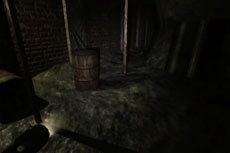
Penumbra: Overture is a first person survival horror game, emphasizing on survival and problem solving instead of mindless violence and gore.
Modeled estimate, not a reported figure. How we estimate →
Media

About
Genres
Stats
All-time low is the lowest price we've recorded for this game since we started tracking it.
Languages: English
Engagement
Reviews
Themes across 46 recent reviews and how positive each mention is. A keyword signal, not full sentiment analysis.
Reviews
very fun but i had some issues with the resolution as this game is very old. but a good game still.
e igual amnesia, só q com menos gráficos, inimigos mais imbecis e um protagonista que teve a genial ideia de ir pra puta que pariu da groelandia procurar o papai q tava desaparecido a mais de anos. nota: 10/a parte dos vapores que saem do chão é o verdadeiro inimigo.
Классика, дала корни всем частям амнесия!
Related
Related
Trends
Modeled estimate over time, reconstructed from Steam's monthly review histogram.
Hours played at review time, across 46 reviews with recorded playtime.
positive critical· bar length = how often the theme comes up
Buen inicio de la saga, es mas terror psicologico que nada pero muy bueno
[h1]Penumbra: Overture[/h1] [h3]Awkward and Disappointing Survival Horror[/h3] [h3]Not really worth trying[/h3] Penumbra: Overture is the first entry in a survival horror trilogy, featuring basic physics-based mechanics, puzzle solving, resource management, and escape room-style sections. Honestly, this title feels more like a 3D point-and-click escape game than a first-person survival horror experience, mainly because of its heavy emphasis on item puzzle-solving and object interaction over exploration, combat, or real tension. I can't really recommend this title due to its unpolished gameplay, resolution problems, repetitive level design, and confusing story. It is a fairly nostalgic experience that no longer holds up particularly well by modern horror game standards. [h3]Gameplay[/h3] This game feels incredibly outdated, featuring a rough and unusual combat system for the genre it belongs to, along with a very limited enemy variety that aren't really threatening or frightening. Enemy AI is particularly terrible, with enemies frequently getting stuck on walls and other parts of the environment, making these encounters feel underwhelming and forgettable. Most of the puzzles are poorly executed, and their solutions are so incredibly straightforward that they offer little real challenge or sense of accomplishment once solved. In most cases, the solutions simply consist of objects or tools placed right next to the obstacle or puzzle they are meant to solve, leaving little room for experimentation or real problem-solving skills. For this reason, the game features very little backtracking. However, there are some moments where key items are hidden so well that, if they are missed while exploring an area, you are forced to return later to retrieve them. [h3]Art and World Design[/h3] The story is fairly straightforward and not particularly inspired, with most of the narrative delivered through scattered notes and documents instead of engaging story events or characters that actively move the plot forward. Honestly, the plot is too difficult to follow because the game places far more emphasis on puzzles and environmental design than on narrative development. Most of the story is deliberately reserved for the second entry, leaving this first title with only a limited and fragmented narrative. The level design is mediocre at best, relying on short and repetitive chase-and-hide sections that unnecessarily drag down the gameplay experience and artificially extend the game's length. The graphics are simple but serve their purpose. However, the environmental design falls short in several areas, with many sections relying on the same repetitive corridors and nearly identical rooms. Also, the lighting design rarely creates a genuine need to use the game's temporary light sources, as most areas are already heavily illuminated by artificial lights. [h3]Music and Sound effects[/h3] The soundtrack is one of the strongest aspects, with tracks that add a much-needed layer of tension to the experience, helping compensate for its otherwise repetitive gameplay and limited sense of horror. The sound effects aren’t particularly remarkable, but they serve their purpose well by indicating nearby threats, object interactions, and gameplay cues. Personally, hearing many of the original sound effects later reused in the Amnesia saga gives a strange but familiar feel.
i love and hate this game, i love frictional games and have played most of their games on steam, but this one is a bit older and might feel a little more agitating than most, but not in a bad way if you really like this franchise, i just wouldnt play this game again lol but im happy to finish it too.
Audience
Estimated from the language of this game's reviews — a proxy for where players are, not official Steam demographics.
Related
| After the Fall® | $1.1M | 3.1K | 77% | $19.99 |
| The Legend of Heroes: Kai no Kiseki -Farewell, O Zemuria- | $1.1M | 1K | 79% | $40.59 |
| 30XX | $1.1M | 2.8K | 90% | $19.99 |
| Gorogoa | $1.1M | 20.5K | 98% | $3.74 |
| Rebuild 3: Gangs of Deadsville | $1.1M | 2K | 86% | $14.99 |
| Phantom Abyss | $1.1M | 2K | 82% | $19.99 |