Explore war-torn post-apocalyptic landscapes and take fight against enemies using various weapons in this FPS/RTS hybrid.
Modeled estimate, not a reported figure. How we estimate →
Media

About
Genres
Stats
All-time low is the lowest price we've recorded for this game since we started tracking it.
Languages: English*, Czech, German*, Russian, Spanish - Spain, Korean*languages with full audio support
Engagement
Hours played at review time, across 41 reviews with recorded playtime.
Reviews
Themes across 41 recent reviews and how positive each mention is. A keyword signal, not full sentiment analysis.
positive critical· bar length = how often the theme comes up
Reviews
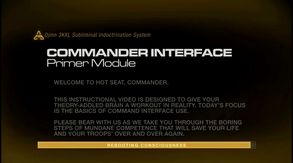
good game. needs a tutorial though
It feels very eh. The guns just don't good compared to any of the CS games. The map size just feels too big and I'm also just not a fan of objective control games.
Nuclear Dawn is a rare example of a game that successfully combines two genres that normally exist on opposite ends of the multiplayer spectrum. Developed by InterWave Studios and GameConnect and published by Iceberg Interactive, it blends first-person shooter action with real-time strategy mechanics into a single experience where battlefield performance and strategic planning are equally important. Set in a bleak future shaped by global conflict and societal collapse, the game pits the technologically advanced Empire against the resourceful Consortium in a struggle for territory and survival. While many titles have attempted to merge RTS and FPS gameplay, Nuclear Dawn remains one of the most convincing executions of the concept. The game's defining feature is its commander system. Instead of every player focusing solely on combat, one member of each team takes on the role of commander, viewing the battlefield from a top-down strategic perspective. This player is responsible for constructing bases, researching upgrades, securing resources, and directing teammates toward objectives. The result is a multiplayer experience where victories are determined not just by accurate shooting but also by leadership, planning, and coordination. Every match feels like a large-scale military operation rather than a simple deathmatch, giving players a strong sense of purpose throughout each battle. For players on the ground, Nuclear Dawn delivers a tactical FPS experience that rewards teamwork over individual heroics. The game offers four distinct classes, each contributing something valuable to the team's overall success. Assault soldiers provide versatility in combat, Support units keep allies alive and maintain structures, Stealth operatives excel at infiltration and intelligence gathering, and Exo troops bring heavy firepower to the front lines. Because each class serves a meaningful role, teams that coordinate effectively gain a significant advantage over opponents relying solely on raw shooting skill. The progression and customization systems add another layer of depth. Players can unlock equipment and develop preferred loadouts while adapting to changing battlefield conditions. Weapons feel distinct, encouraging experimentation with different combat styles. Combined with commander-driven research upgrades, the customization options help create a sense of progression without undermining the importance of strategic thinking. Success is rarely achieved through superior gear alone; it comes from understanding the strengths of both your class and your team. The game's maps are carefully designed to support its hybrid gameplay. Resource points, defensive positions, alternate routes, and strategic chokepoints are distributed in ways that influence both commanders and frontline soldiers. Capturing and defending key locations becomes a constant priority, creating a dynamic flow of territorial warfare. Battles naturally evolve as teams expand their infrastructure, establish forward bases, and launch coordinated assaults. This ongoing tug-of-war gives matches a scale and intensity that many traditional shooters struggle to replicate. Visually, Nuclear Dawn presents a convincing post-apocalyptic world. The ruined urban environments, industrial complexes, and battle-scarred landscapes reinforce the game's atmosphere of endless conflict. Although the Source engine technology shows its age by modern standards, the art direction remains effective. The Empire and Consortium have clearly defined visual identities, making it easy to distinguish factions while also contributing to the game's lore and world-building. Explosions, weapon effects, and environmental details may not compete with contemporary releases, but they still support the overall immersion. One of the most impressive aspects of Nuclear Dawn is how dependent it is on cooperation. Communication between the commander and frontline troops often determines the outcome of a match. Players must relay information, defend critical structures, secure resources, and coordinate attacks. This emphasis on teamwork creates some incredibly rewarding moments when a well-organized strategy comes together successfully. At the same time, it can also be challenging for newcomers, as the game offers a steeper learning curve than many mainstream multiplayer shooters. The game's age does present some limitations. As an online-focused title, the experience depends heavily on having an active player base. New players may find it difficult to consistently locate populated servers or balanced matches compared to the game's peak years. However, this issue is more a consequence of time than a reflection of the game's design quality. The core mechanics remain remarkably innovative, and many modern multiplayer games still have not replicated its combination of strategic command and frontline combat as effectively. Looking back, Nuclear Dawn stands as an ambitious and memorable experiment that largely succeeded in achieving its vision. It offers deep strategic gameplay, meaningful class variety, rewarding teamwork, and a distinctive blend of RTS and FPS mechanics that continues to feel unique years after release. While its niche appeal and aging community may prevent it from reaching a wider audience today, players interested in tactical multiplayer experiences will find a game filled with creativity, depth, and genuine innovation. Rating: 8/10
its good, but it just needs some players and some people online, maybe try it with some friends, and you can mount it to gmod so that is cool
Very nice fun game
While not the first FPS/RTS hybrid on the source engine by any means, this game is certainly more polished and interesting than Empires, Lambda Wars or even Team Fortress: Brotherhood of arms. The classes feel unique (though the game could use more of them) The maps are beautyfull and massive. The game is cheap Though i wish reducing bullet spread without upgrades was more a matter of firing in short bursts over ADS, and i would love if there was more gamemodes.
игра с уникальным геймплеем, да еще и со скидкой!!!1!!
it was pretty fun... in 2011
⠀⠀⠀⠀⠀⣾⠟⠈⢸⣿⣷⢾⣓⣚⣛⣛⣒⠒⢲⣤⣄⡀⢳⠀⠀⠀⠀⠀⠀ ⠀⠀⠀⠀⠀⢸⡀⠀⡼⠿⣿⣯⣭⣭⣭⣭⣍⣉⡉⠉⠙⠛⠺⢆⡀⠀⠀⠀⠀ ⠀⠀⠀⢀⣤⣾⠇⣸⣧⣶⣿⠿⣿⣿⡏⠻⣿⣿⢿⣿⣦⣄⠀⠀⣿⠷⣄⠀⠀ ⠀⢀⣴⣯⣀⡏⢰⣿⣿⣿⡯⣀⠙⣿⠁⠀⠘⣿⡌⢿⢿⣿⣆⠀⠘⠃⠨⣷⡄ ⢀⣾⢠⣯⡟⠙⢻⣿⣿⠹⠀⠘⠻⡉⠁⠀⢀⠟⠃⠺⠈⣿⣿⠃⠀⠀⢀⠈⣻ ⠸⣇⣸⠋⢀⣿⠿⣿⣿⠀⣀⠘⢃⡇⠀⣇⠨⣙⠃⣀⠿⢻⣿⠳⠀⠀⠸⣿⠏ ⠀⠻⣇⠀⢸⡏⠀⢧⡏⢰⠤⠭⠍⠤⠤⠭⠤⠬⠿⠿⡇⣼⡼⠀⢀⡤⠖⠃⠀ ⠀⠀⠈⠳⣄⠙⢷⣦⣽⣦⣷⡆⠤⠤⠤⠤⠒⠒⢚⣿⣼⠯⠔⠚⠉⠀⠀⠀⠀ ⠀⠀⠀⠀⠈⠳⣄⠙⠦⣀⠙⠿⣷⣦⣤⣤⣴⣶⠟⠋⠀⠀⠀⠀⠀⠀⠀⠀⠀ ⠀⠀⠀⠀⠀⠀⠈⠳⣄⠀⠉⢹⣿⣏⠀⠈⣹⣷⠖⠦⣄⠀⠀⠀⠀⠀⠀⠀⠀ ⠀⠀⠀⠀⠀⠀⠀⠀⢈⡇⢈⣉⣿⣌⠁⡀⢁⣼⠀⠀⠈⠙⠦⣄
The game simply has no players or servers running, you can only play the tutorial and empty maps.
Related
Related
Trends
Modeled estimate over time, reconstructed from Steam's monthly review histogram.
Audience
Estimated from the language of this game's reviews — a proxy for where players are, not official Steam demographics.
Related
| Agatha Christie - The ABC Murders | $814.8K | 3.1K | 81% | $14.99 |
| Gods Will Be Watching | $814K | 2.9K | 70% | $9.99 |
| Nameless ~The one thing you must recall~ | $816.4K | 764 | 93% | $29.99 |
| Jade Empire™: Special Edition | $816.7K | 2.1K | 76% | $14.99 |
| Digseum | $816.8K | 8K | 98% | $2.99 |
| Knights of Pen and Paper 2 | $812.9K | 2.9K | 87% | $7.99 |