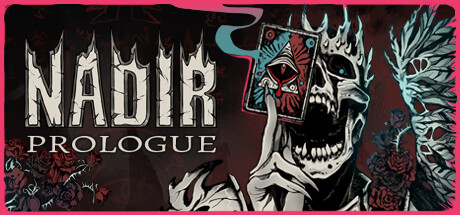
Nadir: A Grimdark Deck Builder – Prologue, developed by Team Nadir and Black Eye Games and published by Black Eye Games, is a dark fantasy roguelike card battler that mixes strategic deck-building with oppressive grimdark atmosphere and surprisingly complex tactical mechanics. Acting as an introduction to the larger game, the prologue already delivers a substantial amount of depth while establishing a world filled with demonic horrors, corrupted landscapes, and brutal survival. Although clearly inspired by successful deck-building roguelikes, the game manages to separate itself through its distinctive visual identity and its emphasis on enemy reaction systems that force players to think carefully about every move they make.
The first thing that immediately stands out is the game’s atmosphere. Nadir embraces an extremely bleak aesthetic inspired by medieval horror, infernal mythology, and grotesque dark fantasy imagery. Every environment feels corrupted and hostile, filled with twisted creatures, ruined architecture, and oppressive visual designs that reinforce the feeling of descending deeper into a cursed underworld. The game’s grimdark identity is not simply decorative. It shapes the tone of every battle, every enemy encounter, and every moment of progression throughout the experience.
Combat is where the game becomes especially interesting. Instead of relying entirely on standard energy management systems seen in many card battlers, Nadir introduces mechanics built around predicting and manipulating enemy reactions. Each action influences how enemies respond during combat, forcing players to constantly consider the consequences of every card played. Battles become less about simply maximizing damage and more about understanding patterns, timing, and positioning within the game’s reaction system. This creates encounters that feel far more tactical and mentally engaging than many traditional roguelike deck-builders.
The card system itself also adds additional strategic depth. Many cards feature dual effects separated into different color-coded actions, essentially allowing one card to serve multiple tactical purposes depending on the situation. This flexibility encourages experimentation because players are rarely locked into a single strategy or playstyle. Combat constantly evolves depending on how decks are built and how enemy behaviors interact with player decisions, helping the game avoid the repetitive feeling that sometimes affects other card battlers.
Progression follows the familiar roguelike structure of gradually improving decks through repeated runs while unlocking stronger abilities and discovering more efficient combinations. Even failed runs often feel rewarding because players gain a better understanding of enemy mechanics and card synergies with every attempt. The game succeeds at creating the addictive “one more run” feeling that defines many successful roguelikes, especially once players begin discovering stronger deck combinations and advanced strategies.
Visually, Nadir is one of the more striking indie deck-builders in recent years. The artwork leans heavily into gothic horror and infernal imagery, with enemy designs ranging from grotesque demons to towering corrupted monstrosities. Character portraits and environmental illustrations are filled with detail, creating a world that feels visually oppressive but memorable. The dark color palette and disturbing artistic direction consistently reinforce the game’s atmosphere without sacrificing clarity during combat.
The soundtrack and audio design further strengthen the experience. Ominous ambient music, heavy combat effects, and unsettling background audio all contribute to the feeling of descending through a hostile realm consumed by suffering and corruption. The soundtrack rarely becomes overpowering, instead quietly maintaining tension throughout battles and exploration. Combined with the visual design, the audio creates an immersive atmosphere that helps the game stand apart from more colorful or lighthearted deck-builders.
Another major strength is the game’s willingness to embrace complexity. Nadir does not oversimplify its systems for accessibility, and players are expected to learn through experimentation and repeated failure. Understanding enemy patterns, status effects, and deck synergies takes time, but mastering these systems becomes highly rewarding. Victories feel earned because success depends heavily on strategic planning rather than luck alone.
However, the same complexity that gives the game depth may also frustrate some players. The learning curve can feel intimidating during the early stages, especially for those unfamiliar with roguelike deck-builders. Certain mechanics and status effects are not always explained clearly, forcing players to learn through trial and error. While experienced strategy players may appreciate this depth, newcomers could initially feel overwhelmed by the amount of information presented during combat.
Balance issues occasionally become noticeable as well. Some enemy encounters and card combinations feel significantly harsher than others, creating situations where defeat can seem unavoidable despite careful planning. Since the prologue only offers a limited portion of the full experience, progression can also feel somewhat abrupt once players fully understand the systems and begin wanting additional content.
There are minor interface and technical rough edges throughout the experience too. Certain visual indicators could communicate combat information more clearly, and some systems occasionally feel slightly unpolished. The difficulty may also feel punishing for players expecting a more forgiving progression system, particularly during encounters where enemy reactions become overwhelming.
Despite these flaws, Nadir: A Grimdark Deck Builder – Prologue succeeds because of its originality and atmosphere. It takes familiar deck-building foundations and introduces enough unique mechanics and visual personality to feel genuinely different from many of its competitors. The reaction-based combat system, combined with the grimdark presentation, creates a game that feels tense, strategic, and consistently oppressive in the best possible way.
For fans of roguelike card battlers and dark fantasy settings, Nadir: A Grimdark Deck Builder – Prologue offers a highly promising experience filled with tactical depth and memorable atmosphere. While the prologue’s limited scope and steep learning curve prevent it from feeling fully complete, its strong mechanics, striking artwork, and satisfying combat systems make it one of the more interesting indie deck-builders currently available.
Rating: 8/10