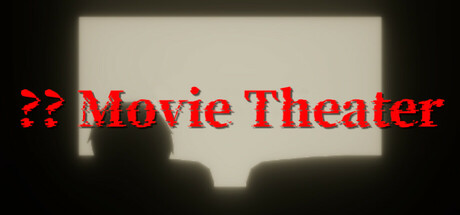
This is a funny movie theater where you can watch any kind of movie. I saw a movie here. It is a story of a high school boy “Sota Sakurai” until ※※※※※※.
Modeled estimate, not a reported figure. How we estimate →
Discounts
Every price cut of more than 20% we have observed, in each market that quoted one, with this game's chart position on either side of it. These are episodes, not a model: a sale is one event, and one event cannot tell you what the next one will do.
Reviews, worldwide (the counter carries no country): 0/day in the week to Sep 10 → 1/day in the week after.
For scale, across Steam · Top Sellers · Brazil over the last 30 days: the 26 chart moves that followed a price cut of more than 20% went a median of 7 places towards #1, and the 2,400 moves with no price cut behind them went 2 away. One store, one chart, one country — it is the only place we have enough observations to say even that.
Prices outside the United States have been collected since 6 August 2026 and chart positions since 19 July 2026, so a cut older than that has no market to compare and a market that joined later has no history yet. Nothing here is converted between currencies.
About
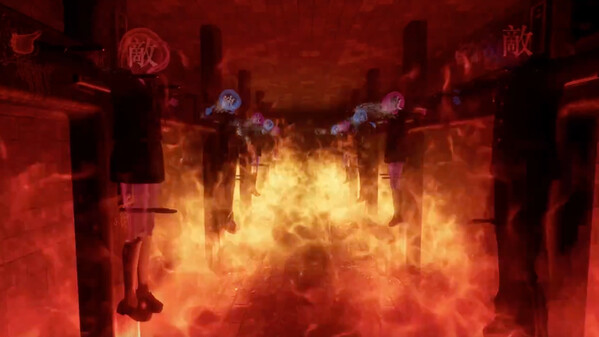
?? Movie Theater is a narrative oriented psychological horror in which one high school boy experiences what happened to him.
This is a funny movie theater where you can watch any kind of movie. I saw a movie here. It is a story of a high school boy “Sota Sakurai” until ※※※※※※.
・First-person horror game.
・A psychological terror in which the protagonist's world gradually collapses.
・An epic story that unfolds from the daily life of one high school boy to the secrets of the world and his outlook on life.
・Game design that emphasizes storytelling, does not require high play skill, and makes it easy to reach the ending.
・Two endings + one hidden ending.
About 1.5 to 3 hours
・Distribution is available to both individuals and corporations without permission.
・Monetization is only possible when using the functions provided by the video distribution site.
・We would appreciate it if you include the name of the game in the title of your video or live broadcast, or include a link to the Steam page in the summary section.
We will not be liable for any damages caused by the distribution of videos of this game.
The contents of these guidelines are subject to change without notice.
Genres
Engagement
Reviews
Themes across 54 recent reviews and how positive each mention is. A keyword signal, not full sentiment analysis.
Reviews
TikTokで配信をしました! ホラゲーで初めて泣きそうになった感動ゲームです🥲
ホラーゲームを探して購入しましたが、気づいたら涙が出ていました。購入してよかったなと思えました!
うるさい
Media

Related
Related
Price dynamics, follower growth, revenue and sales trajectories with interactive tooltips
This and every other Pro feature is free until October 20, 2026. A free account is all it takes.
Stats
All-time low is the lowest price we've recorded for this game since we started tracking it.
Languages: English, Japanese, Simplified Chinese
Hours played at review time, across 54 reviews with recorded playtime.
positive critical· bar length = how often the theme comes up
ホラー苦手でもやるべき作品の1つ
鬱&ホラゲーではありつつ、とてもとても愛を感じれる素晴らしい作品でした
めちゃくちゃ号泣したいいゲームだった。 人生について考えさせられる作品でラブコメもありとてもいい作品だった。
かなり心をえぐられるような心理描写が多いですが、物語がとても良くできていて感動しました。 最後までプレイできて本当に良かったと思います。 ただ、正直ジャンプスケア等のホラー要素はいるか?とは思いました。
神作品です!!!!
何というか、素直な評価が難しい作品だな、と思いました。 最初のホラー演出は概ね好みのものだったので良かったのですが、 後半は好き…だけどすごくいい…!というほどではなく、まあまあ好き、ぐらいになり、ホラーの必然性もあまりなかったのでちょっともったいなかったな…と感じました。 でも、十分に楽しんだので、応援とともにおすすめさせていただきます。
?? Movie Theater, developed and published by riinwin, is a short-form psychological horror experience that builds its identity around ambiguity, atmosphere, and slow narrative unraveling rather than traditional scares or complex gameplay systems. It presents itself with a deceptively simple concept—a quiet movie theater where strange screenings unfold—but quickly shifts into something more introspective and disorienting. Instead of relying on jump scares or overt horror, the game focuses on subtle unease, drawing players into a story that feels fragmented, personal, and increasingly surreal as it progresses. The narrative follows Sota Sakurai, a high school student whose visit to this unusual theater becomes the entry point into a series of strange and often unsettling experiences. What initially appears to be a grounded scenario gradually dissolves into a sequence of scenes that blur the line between memory, imagination, and reality. The storytelling is intentionally indirect, offering pieces of information through environmental cues, dialogue fragments, and symbolic imagery rather than clear exposition. This approach invites players to interpret events on their own, forming connections and meanings that may differ depending on perspective. It’s a narrative style that values mood and implication over clarity, which can be both engaging and, at times, disorienting. Gameplay is minimal by design, functioning primarily as a vehicle for the story. Players move through environments in a first-person perspective, interacting with objects and triggering events that advance the narrative. Puzzle elements are present but remain simple and unobtrusive, ensuring that the pacing is never interrupted by difficulty. This creates a smooth, almost meditative flow, allowing players to focus entirely on the atmosphere and unfolding story. However, this simplicity also means that the experience lacks mechanical depth, and those expecting more interactive or skill-based gameplay may find it somewhat limited. The game’s strongest element is its atmosphere. The environments are carefully constructed to feel familiar at first, then subtly distorted as the story progresses. Small visual and auditory changes gradually build tension, creating a persistent sense of unease without relying on overt horror techniques. The pacing plays a crucial role here, giving players time to absorb each scene before moving on to the next, allowing the discomfort to linger. The result is a psychological experience that feels more like a slow descent into uncertainty than a traditional horror scenario. Visually, ?? Movie Theater adopts a grounded aesthetic that enhances its effectiveness. The relatively realistic environments make the surreal elements stand out more sharply, amplifying their impact. Lighting, spatial design, and environmental details are used thoughtfully to guide attention and reinforce the tone. The audio design complements this approach, using subtle cues and ambient sounds to maintain tension without overwhelming the player. Together, these elements create a cohesive presentation that supports the game’s focus on mood and immersion. The structure of the game is concise, with a playtime that typically ranges from one to a few hours depending on exploration and interpretation. Multiple endings, including hidden variations, add a layer of replayability and encourage players to revisit the experience with a different perspective. This design choice aligns well with the game’s emphasis on interpretation, as repeated playthroughs can reveal new details or suggest alternative readings of the story. That said, the same ambiguity that defines the game can also be its greatest weakness. The lack of clear answers or resolution may leave some players feeling unsatisfied, particularly those who prefer more concrete storytelling. Certain narrative threads feel intentionally unresolved, which can create a sense of incompleteness rather than deliberate mystery. Combined with the limited gameplay mechanics, this may reduce its appeal for players seeking a more structured or fully explained experience. In the end, ?? Movie Theater is a focused and atmospheric indie project that prioritizes emotional tone and interpretive storytelling over traditional gameplay depth. It succeeds in creating a lingering sense of unease and curiosity, offering a brief but memorable journey into a world where reality feels unstable and meaning is never fully defined. While it may not resonate with everyone, particularly those looking for action or clarity, it stands as a thoughtful example of how minimalism and atmosphere can be used to craft a distinctive psychological experience. Rating: 7/10
Players by region
Where this game's players are, estimated from review languages.
Players also reviewed
The games this title's players most often review too — audience affinity.
Related
| Game | Estimated lifetime revenue | Reviews | Review score | Price |
|---|---|---|---|---|
| $102.7K | 296 | 81% | $9.99 | |
| $17.4K | 131 | 74% | $2.99 | |
| $2.7K | 66 | 74% | $1.99 | |
| $2K | 10 | 100% | $9.99 | |
| $1.5K | 13 | 38% | $3.99 | |
| $0 | 29 | 90% | Free |
Related
| Game | Estimated lifetime revenue | Reviews | Review score | Price |
|---|---|---|---|---|
| $10.8K | 71 | 52% | $7.99 | |
| $10.7K | 126 | 71% | $3.99 | |
| $10.8K | 123 | 39% | $2.99 | |
| $10.8K | 53 | 60% | $5.99 | |
| $10.7K | 71 | 58% | $5.99 | |
| $10.8K | 121 | 82% | $4.99 |