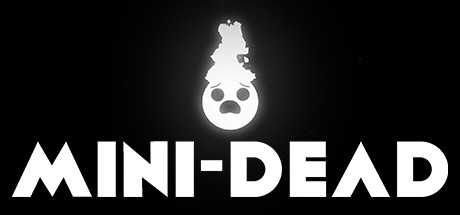
144 FPS boss battle action with a devilishly creative game mechanic.
Revenue comes from in-game items and microtransactions, which our price-based model doesn't estimate. Copies below reflect the player base, not paid sales.
Media

About
Genres
Stats
Languages: English
Engagement
Hours played at review time, across 41 reviews with recorded playtime.
Reviews
Themes across 41 recent reviews and how positive each mention is. A keyword signal, not full sentiment analysis.
positive critical· bar length = how often the theme comes up
Reviews
출시 8년 만에 도전 과제 추가해서 뒤통수 세게 치기
개재밌는데 본편 나와라
Peak design, peak gameplay, peak music.
Review after 100% ♡♡♡ "Don't waste your life, I did. Go home," -John Rambo ⣴⣿⣦⡀⠀⠀⠀⠀⠀⠀⠀⠀⠀⠀⠀⠀⠀⠀ ⣼⣿⣿⣿⣷⡀⠀⠀⠀⠀⠀⠀⠀⠀⠀⠀⠀⠀⠀ ⣼⣿⣿⣿⣿⣿⣿⣿⣦⣄⡀⠀⠀⠀⠀⠀⠀⠀⠀⠀ ⣿⣿⣿⣿⣿⣿⣿⣿⣿⣿⣿⣷⣶⣤⣤⣶⣶⣿⣿⡗ ⣿⣿⣿⣿⣿⣿⣿⣿⣿⣿⣿⣿⣿⣿⣿⣿⣿⣿⠟⠀ ⣿⣿⣿⣿⣿⣿⣿⣿⣿⣿⣿⣿⣿⣿⣿⣿⣿⠃ ⣿⣿⡇⠜⠙⣿⣿⣿⣿⣿⣿⣿⣿⣿⣿⣿⠀⠀Got a cat here ⣿⣿⣿⣶⣿⣿⣿⣿⣿⠋⡹⠙⣿⣿⣿⡇⠀ Friends passing ⣿⣿⣿⣿⣿⣿⣿⣿⣿⣷⣶⣾⣿⣿⠛⠀⠀by can touch her ⣿⣿⣿⣿⣿⣿⣿⣿⣿⣿⣿⡟⠛⠁⠀⠀and click Like to pet ♡ ⣿⣿⡿⠻⠿⠿⠿⠿⠛⠹⠑⠀⠀ Award for good luck, Take My Points for infinite pets ♡ ⠟⠁
pretty awesome game i may say, it doesnt take a lot of time to go through and im happy that the dlc price reflects that. i can admit i did use a few accessibility options to unlock some specific tarot content, and im not even ashamed of that. the game is hard, like yeah a bit unforgivable hard, and i want people to know that the game is hard before playing. the base version is free for people to try out, and tarot is really well done in my opinion
Fun game. Frustrating at times. I almost gave up at the boss fight, but once you learn the mechanics, it becomes fairly easy. Unfortunately, in order to 100% it, you have to purchase the DLC which has been "coming soon" for some time now.
Mini-Dead is a compact yet surprisingly engaging indie action game developed by Alec Smith and published by Milo Games. While its presentation initially suggests a simple arcade-style experience, the game quickly reveals a deeper layer of challenge built around fast reflexes, clever mechanics, and demanding boss encounters. Rather than focusing on lengthy campaigns or expansive worlds, Mini-Dead concentrates its efforts on delivering a series of intense battles that test player skill from beginning to end. This focused design allows the game to stand out despite its modest scope and minimalist appearance. The core gameplay revolves around fighting a small roster of powerful bosses, each designed with unique attack patterns and behaviors. Instead of progressing through traditional levels filled with enemies and exploration, players are immediately placed into encounters that require observation, timing, and adaptability. Every battle feels like a puzzle that must be solved through practice and persistence. As players learn enemy patterns and gradually improve their execution, victories become increasingly rewarding. This boss-focused structure creates an experience that values mastery over progression systems, making success feel earned rather than granted through upgrades or grinding. One of the game's most creative features is its unconventional control scheme. Movement and combat are both tied to the mouse, creating a fluid system that feels unlike most action games. Players attack by dragging the cursor to create an energy beam capable of damaging enemies, while releasing the beam instantly teleports the character to its endpoint. This mechanic introduces a fascinating balance between offense and defense because every attack also serves as a movement tool. Players must constantly decide whether to prioritize positioning, evasion, or damage, creating a level of strategic depth that far exceeds what might be expected from such a small project. The combat becomes especially engaging during later encounters when bosses fill the screen with dangerous attacks. At these moments, the teleportation mechanic shines, allowing skilled players to weave through hazards while maintaining offensive pressure. Success depends entirely on player ability, as there are no external systems to compensate for mistakes. This emphasis on precision creates a satisfying gameplay loop where repeated attempts gradually transform frustration into mastery. Each defeat teaches valuable lessons, and each victory delivers a genuine sense of accomplishment. Visually, Mini-Dead adopts a minimalist pixel-art style that prioritizes clarity over spectacle. The simple graphics ensure that enemy attacks remain easy to read even during chaotic moments, which is essential for a game built around quick reactions. While the art style lacks the visual complexity of larger productions, it effectively supports the gameplay and contributes to the game's eerie atmosphere. The bosses themselves are memorable and distinct, featuring unsettling designs that reinforce the dark tone of the experience. The stripped-down presentation ultimately works in the game's favor by keeping the player's attention focused on the action. The game's audio design complements the visuals well. The soundtrack helps build tension during encounters without overwhelming the gameplay, while sound effects provide important feedback during combat. Together, the audio and visual elements create a cohesive atmosphere that enhances immersion despite the game's relatively small scale. Every design choice appears aimed at strengthening the central gameplay loop, resulting in a focused and polished experience. Another notable aspect is the game's emphasis on smooth performance. Support for high frame rates contributes to responsive controls and fluid movement, making the precise gameplay feel even more satisfying. Since the entire experience relies on quick reactions and accurate inputs, this level of responsiveness significantly improves the overall quality of play. The game feels refined in a way that many small indie projects struggle to achieve. The primary drawback of Mini-Dead is its limited amount of content. With only a handful of bosses to conquer, experienced players may reach the end relatively quickly. Those seeking a lengthy adventure filled with progression systems, story development, or extensive replay content may find the experience somewhat brief. The high difficulty level may also discourage casual players who prefer a more forgiving challenge. However, these limitations stem largely from the game's intentionally focused design rather than any failure in execution. Despite its short runtime, Mini-Dead succeeds because it delivers a memorable and highly polished gameplay experience centered around a unique combat mechanic. It demonstrates how a single innovative idea can support an entire game when executed with confidence and precision. The challenging boss fights, responsive controls, and rewarding learning curve combine to create a title that remains enjoyable long after its content has been exhausted. For players who appreciate skill-based action games and boss-rush experiences, Mini-Dead offers an impressive amount of quality within a surprisingly small package. Rating: 9/10
it is good if you like fun gameplay
Very short but super fun game
.
Related
Related
Trends
Concurrent players on Steam, sampled daily since tracking started.
Momentum
Pace estimated from the game's recent review growth (our daily snapshots) at its own sales-per-review ratio — a momentum signal, not booked sales.
Audience
Estimated from the language of this game's reviews — a proxy for where players are, not official Steam demographics.