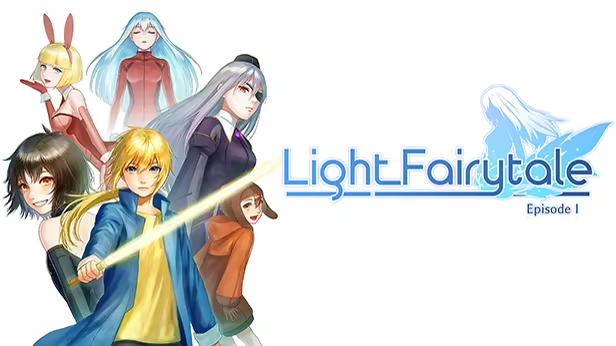
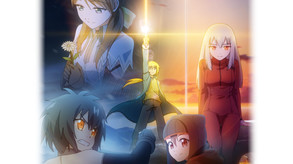
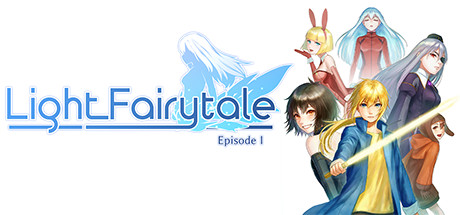
A turn-based JRPG series featuring a modern presentation with a classic core. Episode 1 is the start of the adventure. Play as Haru and his childhood friend Kuroko as they defy an evil empire in the underground 'Lower City'.
Modeled estimate, not a reported figure. How we estimate →
About

Light Fairytale is a turn-based Japanese-style RPG series set in a dying underground world ruled by an evil empire.
The goal of this project is to bring back the immersion and emotion of 90's era JRPGs on current platforms with the expected evolution in both design and technique.
Episode 1 is the start of the adventure. Play as Haru and his childhood friend Kuroko as they fight a dark empire in the underground 'Lower City'.

Characters

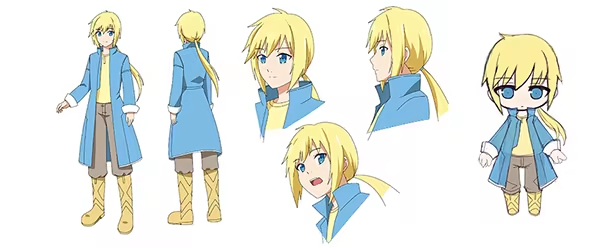
Haru
A bit lazy and a lot naive, Haru nonetheless is a kind soul and knows how to handle himself if push comes to shove.

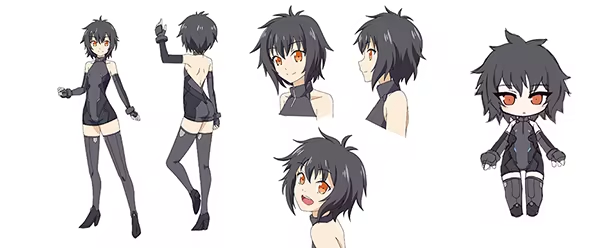
Kuroko
She might be short and cute (sometimes), but don't let that fool you: Kuroko is exceedingly capable in battle and always willing to step up. She's also fond of technology - maaaybe a bit too much so.

Notes about the Light Fairytale series
Each episode is a standalone game, approximately 2 to 3 hours long for a first play-through, double it for a full completion of all the achievements and secrets.
About miyu.works
miyu.works is a one person indie game studio from France making modern renditions of classic concepts.
Stats
All-time low is the lowest price we've recorded for this game since we started tracking it.
Languages: English, Japanese*, French*languages with full audio support
Engagement
Hours played at review time, across 41 reviews with recorded playtime.
Reviews
Themes across 41 recent reviews and how positive each mention is. A keyword signal, not full sentiment analysis.
positive critical· bar length = how often the theme comes up
Reviews
- 캐릭은 동글동글 귀엽게 잘 뽑힘. - 스토리가 대단히 짧다. 프롤로그 정도의 분량 - 하루편을 클리어 하면 쿠로코로 한 번 더 플레이 할 수 있는데 쿠로코 시점에서 약간 대사만 바뀔 뿐이라 도전과제 100% 노리는 거 아니면 할 필요 없음. - 도전과제는 놓치고 지나갈 수 있는게 꽤 있어서 100%를 노린다면 공략을 보는게 낫다. - +250 도전과제 : 후반부 마스크촌에서 번개 오브 하나 더 사서 쿠로코한테 장착시켜주면 번개2 마법을 쓸 수 있음. 박쥐한테 먹여주면 손쉽게 달성, (번개2 마법은 라스트 보스에게도 상당히 유효) - 추가 컨덴츠에 클리어 시간, 이벤트 점수 등의 랭킹 시스템이 있어서 친구 및 세계유저들과 비교할 수 있는 건 특이했다. - 2편 할 사람들은 하루편 클리어 세이브 남겨두길. 난 쿠로코 클리어 세이브 위에 덮어씌웠는데 그 세이브는 연계가 안됨. 아마 하루편 세이브로 해야 될 듯.
⣿⣿⡻⠿⣳⠸⢿⡇⢇⣿⡧⢹⠿⣿⣿⣿⣿⣾⣿⡇⣿⣿⣿⣿⡿⡐⣯⠁ ⠄⠄ ⠟⣛⣽⡳⠼⠄⠈⣷⡾⣥⣱⠃⠣⣿⣿⣿⣯⣭⠽⡇⣿⣿⣿⣿⣟⢢⠏⠄ ⠄ ⢠⡿⠶⣮⣝⣿⠄⠄⠈⡥⢭⣥⠅⢌⣽⣿⣻⢶⣭⡿⠿⠜⢿⣿⣿⡿⠁⠄⠄ ⠄⣼⣧⠤⢌⣭⡇⠄⠄⠄⠭⠭⠭⠯⠴⣚⣉⣛⡢⠭⠵⢶⣾⣦⡍⠁⠄⠄⠄⠄ ⠄⣿⣷⣯⣭⡷⠄⠄⢀⣀⠩⠍⢉⣛⣛⠫⢏⣈⣭⣥⣶⣶⣦⣭⣛⠄⠄⠄⠄⠄ ⢀⣿⣿⣿⡿⠃⢀⣴⣿⣿⣿⣎⢩⠌⣡⣶⣿⣿⣿⣿⣿⣿⣿⣿⣿⣿⣆⠄⠄⠄ ⢸⡿⢟⣽⠎⣰⣿⣿⣿⣿⣿⣿⢀⣾⣿⣿⣿⣿⣿⣿⣿⣿⣿⣿⣿⣿⣿⣦⠄⠄ ⣰⠯⣾⢅⣼⣿⣿⣿⣿⣿⣿⡇⣾⣿⣿⣿⣿⣿⣿⣿⣿⣿⣿⣿⣿⣿⣿⣿⡄⠄ ⢰⣄⡉⣼⣿⣿⣿⣿⣿⣿⣿⢸⣿⣿⣿⣿⣿⣿⣿⣿⣿⣿⣿⣿⣿⣿⣿⣿⣧⠄ ⢯⣌⢹⣿⣿⣿⣿⣿⣿⣿⣿⢸⣿⣿⣿⣿⣿⣿⣿⣿⣿⣿⣿⣿⣿⣿⣿⣿⣿⠄ ⢸⣇⣽⣿⣿⣿⣿⣿⣿⣿⣿⠸⣿⣿⣿⣿⣿⣿⣿⣿⣿⣿⣿⣿⣿⣿⣿⣿⣿⠄ ⢸⣟⣧⡻⣿⣿⣿⣿⣿⣿⣿⣧⡻⣿⣿⣿⣿⣿⣿⣿⣿⣿⣿⣿⣿⣿⣿⣿⣿⠄ ⠈⢹⡧⣿⣸⠿⢿⣿⣿⣿⣿⡿⠗⣈⠻⣿⣿⣿⣿⣿⣿⣿⣿⣿⣿⣿⣿⣿⡇⠄ ⠄⠘⢷⡳⣾⣷⣶⣶⣶⣶⣶⣾⣿⣿⢀⣶⣶⣶⣾⣿⣿⣿⣿⣿⣿⣿⣿⣿⠇⠄ ⠄⠄⠈⣵⣿⣿⣿⣿⣿⣿⣿⣿⣿⣿⢸⣿⣿⣿⣿⣿⣿⣿⣿⣿⣿⣿⣿⣿⠄⠄ ⠄⠄⠄⠸⣿⣿⣿⣿⣿⣿⣿⣿⣿⣿⠘⣿⣿⣿⣿⣿⣿⣿⣿⣿⣿⣿⣿⠇⠄⠄
Light Fairytale Episode 1 is not strictly a game. It's an advertisement/demo for a failed kickstarter (that they still want your money for). It's basically just a retro turn based JRPG with the usual visual novel style exposition that JRPGs rely on because they could never work out how to narrate their story through the medium of the game itself. Par for the low quality course when it comes to JRPGs. It's a common mistake when unfamiliar with Steam to launch demos/advertisements as full games on Steam instead of tagging them correctly as demos. Here's the instructions for putting a demo up on Steam, to demonstrate that there is a correct process for this, which hasn't been followed here: https://partner.steamgames.com/doc/store/application/demos While it might seem like an inocuous mistake, publishing demos and advertisements as if they are full games is misleading and in some ways harmful. This advertisement is taking up marketing space and visibility that would be better made available to a developer that's done the right thing and created a full game. Instead, that visibility is given over to a demo/advert that's been published incorrectly and is polluting the marketplace. It's unclear if this mistake was made through incompetence or a deliberate intent to mislead gamers. Often developers may choose to incorrectly publish demo/advertisements as separate games as a cheap way to bypass paying Valve for marketing presence on the Steam front page, which may seem clever to them, but it's harmful behaviour and it's not good for gamers. I can't stress enough that this is incomplete and abandoned, the developer took the kickstarter money and ran, they will never add any additional chapters or fix any of the problems with this demo. They did manage to dump this on consoles and churn out a weak PC port, however, so 100% effort on cashing in, 0% in doing their job properly or ethically. From a technical perspective, the demo doesn't meet basic minimum requirements that most PC gamers expect as standard. The demo features lazy low-polygon "retro" assets, making this look like a barely functional 3D game from the mid 2000s. It's unclear why the developers weren't able to arrange high quality, high polygon count contemporary assets for the paid demo, and also irrelevant... what matters is that this looks bad as a result of their decisions, a compromise PC gamers shouldn't have to put up with. The controls can't be customised, which will be an annoyance for many, but it can also render the game unplayable for differently-abled gamers, or gamers using AZERTY or other international keyboard layouts. Because this demo was designed for consoles, it carries a number of deliberate design deficiencies. Compromises were made to cater to the inferior console gaming appliances that the game was designed for. These are unfortunate compromises and limitations that PC gamers shouldn't be forced to accept, but it's evident that PC was a second thought for the console-centric developers. The demo is deficient as a result of these choices, and would have been so much better without the handicaps that designing games for consoles forces upon a game. Once more, console peasants have made gaming worse for everyone. These technical defects push this game below acceptable standards for any modern PC game. Light Fairytale Episode 1 has the far too high price of $10 USD, for which you could easily get any number of older AAA games. Given the defects and quality issues with the game, coupled with the unrealistic price, this is impossible to recommend. For comparison, the $10 asking price for this game could get you actually completed games from ethical developers, like "Mass Effect Andromeda", "Mass Effect Trilogy Pack" or "Dark Souls III". Quality, professionally made games like those are frequently on sale cheaper than this. There's also thousands of free, superior quality games on Steam. [quote][url=https://partner.steamgames.com/doc/store/reviews]Developer Response![/url][/quote]The developer has weighed in to inform everyone they didn't read the [url=https://partner.steamgames.com/doc/store/reviews]Developer Usage Rules[/url] for Steam "partners", or they deliberately ignored the part where Valve says: [quote]Though it may be tempting, not every review needs to be responded to. A developer response will frequently draw more attention than the original statement, potentially turning a small issue into a much larger community discussion. It's also not a good idea to use this feature to refute customer opinions. Your direct attention can be seen as validation or a defensive attempt to silence your customers.[/quote] The developer falsely accuses my review of containing misinformation, but none is present. The "developer" of this garbage has a track record of polluting Steam with garbage and other unethical behaviour including other breaches of Valve's guidelines for developers, and this is one of those cases. Let's break it down. The developer ADMITS this is a failure, a failed kickstarter and admits taking money from gamers on Steam for this failed project... taking the money, and running. They dispute this only because they cannot mentally cope with the fact that this is a failure, for the many reasons I exposit with the facts of my review. [b]Taking money from gamers for incomplete products is unethical.[/b] The developer furthered this behaviour by dumping this incomplete garbage into game bundles... a deliberate attempt to swindle gamers by charging money for an incomplete product. The absolute gall and audacity of this failed developer and his garbage, incomplete product is on display for all to see. The developer admits this is incomplete, yet argues they will finish the game but need to charge gamers more money. Why scam people once for garbage when you can do it multiple times? As always, gamers, you be the judge... you've seen the "developer" here, his deplorable attitude and the train wreck of failed and abandoned games he's left behind, polluting Steam and giving genuine indie developers a bad name. You can see why I do everything within my power to warn gamers about unethical developers, asset flippers and so on. I'm a gamer myself, and I care deeply about the health of the gaming industry. It's vital for the industry for the gaming community to support itself by sharing information about bad products. Why is this "developer" so angry about being called out for their toxic behaviour and for having a bad product (for the numerous reasons I provide in my review) that nobody should buy? The developer then argues with a paying customer over how much it's appropriate he should be able to scam them for. The developer is upset and angry that I help gamers by pointing to ethically developed products instead of his incomplete scams. The developer claims that it's "harrassment" if I tell gamers the truth about bad products. Apparently, if I tell gamers they can buy Mass Effect 3, or spend MORE money for this incomplete, rejected garbage, it's harrassment!!!! The developer lays out their toxic, harmful attitude towards gamers and the community for all to see. The developer does not dispute that this is not a game, and is only a demo, yet persists in scamming gamers exhorbitant prices for this failed advertisement. There's even DLC for soundtracks for an advert! This is toxic, anticonsumer practice intended, as the developer makes clear, to scam gamers. If the developer was acting in good faith, they'd be able to refute that critical fact here, but they cannot deny they are trying to scam people into buying an advert for an incomplete product. The developer is angry that I've played many video games, and demands I don't play his. Huh. Nothing in the developers pointless breach of Valve guidelines changes any of the objective facts of my review. My review stands unaltered. I cannot recommend this garbage to anyone.
I think I read that this was made by a single developer? It looks impressive, but it’s just a paid demo and nothing more. The game really borrows… I mean, “borrows”, a lot from Final Fantasy VII. The backgrounds are made in full 3D, but they look like the prerendered backgrounds of FF7, 8 and 9. The combat system is very simplistic, you equip materi- I mean, “orbs” and depending on the “orb” combo, you get different effects. Sadly in this demo, I only managed to find maybe 3 different “orb” types, so I couldn’t experiment much. The story is very generic, but I do like the character designs. The music is very forgettable. That’s all I have to say about this game. If this is really made by a single dev, then they need to re-prioritize completely. Use something easier to develop for like RPG Maker, scale down the game, stop releasing so many “parts” that as I understand, are about 3-5 hours long each. That’s no way to enjoy a JRPG. I'd recommend it if you get it via some cheap Fanatical bundle, otherwise, stay away.
Solid, very classic and simple JRPG. Great visuals, banging soundtrack, and well-written dialog. But it being very short (~2-3 hours single run) and a lacking combat system leaves desire for a lot more. Given this is an indie game, has native linux support and is quite cheap, its worth picking up if your into classic NES-era JRPGs and want to support an indie dev that put love into a product. However, it definitely feels early-access even if its being release in several parts. But the effort shows and it makes it a charming game to play none-the-less. Hope to see more stuff like this on Steam... just wish it was released as fully-complete product.
Light Fairytale Episode I não é um jogo, é uma demo. Eu sei que o jogo não é caro nem nada, mas como que alguém lança o primeiro jogo de uma futura franquia como uma demo? Sério, eu fiquei decepcionado por ser só isso, pois a história é muito boa, a gameplay muito divertida, e o estilo JRPG clássico é de encher os olhos, um gênero de encher os olhos; e dai acaba assim, sem mais nem menos, sem dar tempo de aproveitar as mecânicas e história apresentada. Por enquanto eu não recomendo comprar o jogo, porém irei jogar o segundo episódio, e se o próximo título entregar um jogo completo, então eu voltarei atrás nessa análise.
Final Fantasy 7
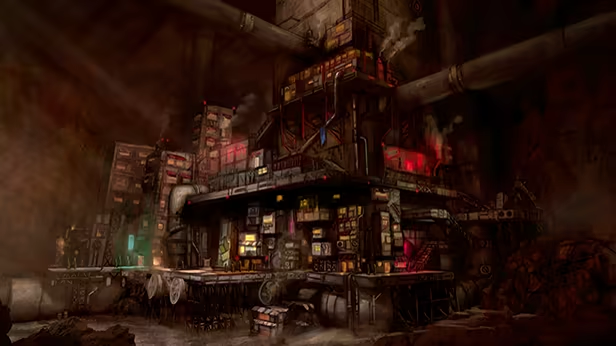
Light Fairytale Episode 1 is a role-playing game that embraces the spirit of classic Japanese RPG adventures while presenting its ideas through a cleaner and more modern structure. Developed and published by miyu.works, the game serves as the beginning chapter of a larger episodic journey, placing storytelling, character development, and exploration at the center of the experience. Rather than aiming for enormous worlds filled with endless side activities, it focuses on creating a tightly paced adventure inspired by older generation role-playing titles that prioritized emotional connections and memorable journeys. The setting immediately establishes an intriguing premise. Humanity no longer thrives on the planet’s surface and instead survives deep underground beneath the control of a powerful empire. The world feels isolated and mysterious, with unanswered questions surrounding civilization’s downfall becoming one of the strongest hooks driving progression. Players take control of Haru, a curious young resident living within the Lower City, whose ordinary life gradually shifts into something far larger after a series of events pull him toward secrets hidden beyond his understanding. Alongside Haru is Kuroko, his childhood friend and an important companion throughout the story. Their interactions form much of the emotional core during the opening chapter. The relationship between characters develops naturally without overwhelming players with excessive dialogue or exposition. Conversations remain efficient while still giving personalities room to emerge, helping establish attachment to the cast despite the game's relatively compact scope. One of the strongest aspects of Light Fairytale Episode 1 is pacing. The game avoids the trap many larger role-playing experiences fall into where progress becomes buried beneath repetitive objectives or prolonged grinding requirements. Story developments arrive consistently, major moments receive appropriate attention, and the adventure maintains momentum from beginning to end. Players spend more time uncovering mysteries and advancing through meaningful events rather than completing filler content. The underground setting contributes heavily to atmosphere. Narrow industrial pathways, hidden facilities, and enclosed environments create a constant feeling that larger truths exist beyond immediate surroundings. The mystery surrounding the world above becomes increasingly compelling as players uncover fragments of information piece by piece. Rather than explaining everything immediately, the narrative allows curiosity to build naturally. Combat follows a turn-based structure inspired by traditional Japanese role-playing games. Battles rely on tactical choices, ability usage, and resource management rather than complex real-time execution. The system remains approachable while offering enough strategy to prevent encounters from becoming repetitive. Combat encounters move quickly and support the overall pacing instead of interrupting narrative flow. Progression systems encourage experimentation through character growth and combat development. Strengthening party members and discovering effective strategies creates satisfying forward momentum throughout the experience. While longtime role-playing fans may recognize familiar mechanics, the game benefits from understanding that execution matters more than reinvention. It focuses on making core systems enjoyable rather than overcomplicating them. Visually, Light Fairytale Episode 1 blends anime-inspired presentation with stylized three-dimensional environments. The artistic direction prioritizes atmosphere and charm over visual realism, helping reinforce both the nostalgic influences and unique setting. Character designs remain expressive, while environments effectively communicate the sense of living within a hidden civilization beneath a forgotten surface world. The soundtrack further strengthens immersion by supporting emotional moments without becoming overwhelming. Music shifts appropriately between exploration, dramatic scenes, and combat encounters while helping establish tone throughout the adventure. Smaller moments often benefit as much from the audio design as larger story developments. As the opening installment of an episodic narrative, the game naturally places heavy emphasis on setup and worldbuilding. Major mysteries remain unresolved while larger conflicts continue developing beyond the conclusion of Episode 1. Some players looking for a lengthy standalone experience may find the adventure shorter than expected, but those approaching it as the beginning of a larger story will likely appreciate the focus and structure. The episodic design ultimately works because the game succeeds at generating investment. By the time the chapter concludes, players have stronger connections to its characters, curiosity regarding its setting, and interest in seeing where future episodes lead. The story intentionally leaves unanswered questions behind, creating anticipation rather than frustration. Light Fairytale Episode 1 succeeds by understanding what made classic role-playing games memorable without relying entirely on nostalgia. It respects older design philosophies while presenting them in a modern and approachable format. The focused storytelling, atmospheric worldbuilding, enjoyable combat, and strong pacing combine into an adventure that feels heartfelt rather than overly ambitious. For players who enjoy story-driven role-playing games built around character relationships, mystery, and traditional turn-based systems, Light Fairytale Episode 1 offers a charming opening chapter that demonstrates genuine appreciation for classic JRPG design while establishing an identity of its own. Rating: 8/10
I played this game for 1.3hrs. I remember liking it but I have literally over 1k games that I'll never play so I had to move on. Recommended though ✊😳
O jogo é bem divertido, lembro que foi recomendação de um canal no Youtube (GameSharkBr) - o jogo tem um estilo cyberpunk em subúrbio, bem parecido com FF VII Midgard - o jogo é bem curtinho, mas tem uma história interessante, mas rasa - O jogo mostra um casal de amigos (Haru e Kuroko) e Haru tem um sonho com o céu, mesmo nem sabendo o que é isso. Porém, durante uma conversa com uma vidente ele resolve ir atrás desse céu e sua amiga resolve acompanhá-lo. O jogo é simples, mas divertido - tem uma história legal, porém os personagens não são apronfundados (muito curto), as mecânicas de luta são por turno e são bem simples, os cenários achei bem bonitos e os personagens no estilo chibi combinou bem com o estilo do jogo.
Related
Related
Trends
Modeled estimate over time, reconstructed from Steam's monthly review histogram.
Audience
Estimated from the language of this game's reviews — a proxy for where players are, not official Steam demographics.
Related
| Lords of Ravage | $18.3K | 147 | 69% | $4.99 |
| Coconut Simulator 2 | $18.3K | 577 | 96% | $0.99 |
| Sex Lens: A Porn Story 🍓🎥 | $18.3K | 146 | 58% | $4.49 |
| Undercat | $18.3K | 59 | 98% | $14.99 |
| 三国吕布传说(Legend of Lv Bu of the Three Kingdoms) | $18.3K | 68 | 75% | $6.99 |
| Lost in Art: a Miniature Realm | $18.4K | 51 | 96% | $13.99 |