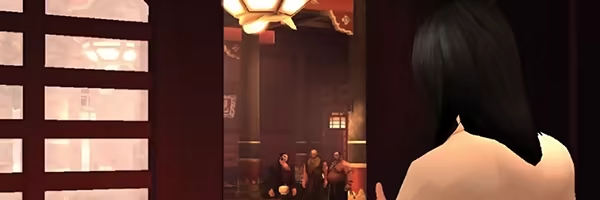
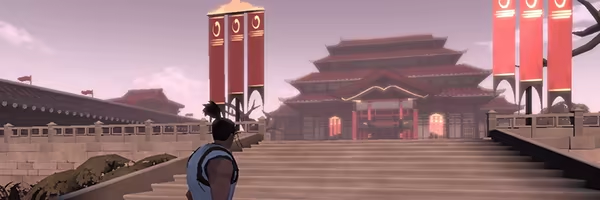
From PRINCE OF PERSIA creator Jordan Mechner, the original side-scrolling karate classic comes to Steam with art by Jeff Matsuda (The Batman) and music by Grammy-winning composer Christopher Tin (CIVILIZATION IV).
Modeled estimate, not a reported figure. How we estimate →
Media

About


Stats
All-time low is the lowest price we've recorded for this game since we started tracking it.
Languages: English, German, French, Italian, Spanish - Spain
Engagement
Hours played at review time, across 41 reviews with recorded playtime.
Reviews
Themes across 41 recent reviews and how positive each mention is. A keyword signal, not full sentiment analysis.
positive critical· bar length = how often the theme comes up
Reviews
Каратека – рельсовый раннер-файтинг на двух кнопках, ремейк первой игры Джордана Мехнера, создателя Принца Персии. По сюжету герою, влюблённому в прекрасную принцессу Марико, необходимо её спасти из лап японского феодала Акумы. Он бежит до замка похитителя, по пути сражаясь на дуэлях с его прихвостнями самого разного толка, вида и мастерства, а также странной ручной птицей-камикадзе. Из особенностей: - приятный визуальный стиль. - детальность картинки и японского колорита при минимализме геймплея, ничего лишнего. - возможность пройти игру менее чем за полчаса интенсивного махача. - три бесплатные попытки на проигрыш забега. - соответственно, три играбельных персонажа: когда погибает один, на его место заступает следующий, внешне всё более некрасивый, но более сильный и менее умелый. - весь махач состоит в грамотном использовании блоков и переходе в атаку до победного конца. - можно поклониться противнику и получить ответный поклон или приглашение к драке. - или не спеша полюбоваться видами, а возлюбленная может и подождать. Итог: игра на несколько забегов, но для удовольствия хватит и одного. [url=https://store.steampowered.com/curator/32313063/] Я тут вам обзорчик накатал[/url] Ставьте лайк, подписывайтесь на кураторскую страничку и ищите новое в играх!)
[h1]𝔸 𝕨𝕠𝕣𝕥𝕙𝕪 𝕣𝕖𝕞𝕒𝕜𝕖 𝕠𝕗 𝕠𝕟𝕖 𝕠𝕗 𝕥𝕙𝕖 𝕞𝕠𝕤𝕥 𝕔𝕣𝕪𝕡𝕥𝕚𝕔 ℕ𝔼𝕊 𝕘𝕒𝕞𝕖𝕤 𝕗𝕣𝕠𝕞 𝕥𝕙𝕖 𝟡𝟘𝕤.[/h1] I mean before writing this review, I thought people would immediatly recognize the game "Karateka" from an old NES cartridge... But I'd completely forgotten that 99% of Steam's Users are not that old... Anyways, if you didn't know, NES is a retro Nintendo System that was prominent in the 90s. Karateka is a REMAKE of one of those games. Karateka in NES lacked a story, you just play a guy that starts off in a beach wearing a freaking Kimono for absolutely no reason, kicking and punching people on a beach and eagles, yes you heard it right, punching Eagles for no reason. Karateka, the remake, at least elaborates a bit on the story! The characters do not utter a single word, and yet you kind of understand what they're saying, and what you're supposed to do. The graphics are... as good as you'd hoped, considering this format of gameplay came all the way from the 90s. The game wants you to use only five or six buttons to; every time an enemy faces you, you ought to BLOCK their attack, then counterattack with punches and kicks; do that enough times and your special meter fills up, so you can perform a Stun attack that allows you to extend your onslaught. That's really all there is to it, the game offers you continuous tutorials the more you advance through the story, that can be completed, funnily enough, in twenty minutes. Your character, the True Love is actually "Hard Mode"; you heard right, you start off with hard mode... But if your character gets punched to death, another replaces him and you continue the story! The goal for you should be to try to finish the game on Hard Difficulty! It's Hard only in the sense that the True Love character has less health points, and has a shorter block window... Then comes Normal Mode, The Monk... The Monk has "reasonable" hitpoints and a reasonable block window, but when he's dead, the Brute comes out and this is where the game becomes a walk in the park. The Brute has a ton of health points and instant block window, and if you're so bad that you'd die anyways, the game asks you to reduce your score to continue... Which is kind of a fair trade, I guess! Karateka is a [b]9/10[/b] remake of an old classic. I've probably put in too much time on the original as a kid to actually be infatuated with this remake, but oh well! Pretty sure this would be quite new for younger players; I recommend you give it a play... It goes on sale very frequently for like a dollar!
⣿⣿⡻⠿⣳⠸⢿⡇⢇⣿⡧⢹⠿⣿⣿⣿⣿⣾⣿⡇⣿⣿⣿⣿⡿⡐⣯⠁ ⠄⠄ ⠟⣛⣽⡳⠼⠄⠈⣷⡾⣥⣱⠃⠣⣿⣿⣿⣯⣭⠽⡇⣿⣿⣿⣿⣟⢢⠏⠄ ⠄ ⢠⡿⠶⣮⣝⣿⠄⠄⠈⡥⢭⣥⠅⢌⣽⣿⣻⢶⣭⡿⠿⠜⢿⣿⣿⡿⠁⠄⠄ ⠄⣼⣧⠤⢌⣭⡇⠄⠄⠄⠭⠭⠭⠯⠴⣚⣉⣛⡢⠭⠵⢶⣾⣦⡍⠁⠄⠄⠄⠄ ⠄⣿⣷⣯⣭⡷⠄⠄⢀⣀⠩⠍⢉⣛⣛⠫⢏⣈⣭⣥⣶⣶⣦⣭⣛⠄⠄⠄⠄⠄ ⢀⣿⣿⣿⡿⠃⢀⣴⣿⣿⣿⣎⢩⠌⣡⣶⣿⣿⣿⣿⣿⣿⣿⣿⣿⣿⣆⠄⠄⠄ ⢸⡿⢟⣽⠎⣰⣿⣿⣿⣿⣿⣿⢀⣾⣿⣿⣿⣿⣿⣿⣿⣿⣿⣿⣿⣿⣿⣦⠄⠄ ⣰⠯⣾⢅⣼⣿⣿⣿⣿⣿⣿⡇⣾⣿⣿⣿⣿⣿⣿⣿⣿⣿⣿⣿⣿⣿⣿⣿⡄⠄ ⢰⣄⡉⣼⣿⣿⣿⣿⣿⣿⣿⢸⣿⣿⣿⣿⣿⣿⣿⣿⣿⣿⣿⣿⣿⣿⣿⣿⣧⠄ ⢯⣌⢹⣿⣿⣿⣿⣿⣿⣿⣿⢸⣿⣿⣿⣿⣿⣿⣿⣿⣿⣿⣿⣿⣿⣿⣿⣿⣿⠄ ⢸⣇⣽⣿⣿⣿⣿⣿⣿⣿⣿⠸⣿⣿⣿⣿⣿⣿⣿⣿⣿⣿⣿⣿⣿⣿⣿⣿⣿⠄ ⢸⣟⣧⡻⣿⣿⣿⣿⣿⣿⣿⣧⡻⣿⣿⣿⣿⣿⣿⣿⣿⣿⣿⣿⣿⣿⣿⣿⣿⠄ ⠈⢹⡧⣿⣸⠿⢿⣿⣿⣿⣿⡿⠗⣈⠻⣿⣿⣿⣿⣿⣿⣿⣿⣿⣿⣿⣿⣿⡇⠄ ⠄⠘⢷⡳⣾⣷⣶⣶⣶⣶⣶⣾⣿⣿⢀⣶⣶⣶⣾⣿⣿⣿⣿⣿⣿⣿⣿⣿⠇⠄ ⠄⠄⠈⣵⣿⣿⣿⣿⣿⣿⣿⣿⣿⣿⢸⣿⣿⣿⣿⣿⣿⣿⣿⣿⣿⣿⣿⣿⠄⠄ ⠄⠄⠄⠸⣿⣿⣿⣿⣿⣿⣿⣿⣿⣿⠘⣿⣿⣿⣿⣿⣿⣿⣿⣿⣿⣿⣿⠇⠄⠄
Karateka is an ancient game from 2012. It's a whopping 12 years old at the time of this review. The game lacks support for the typical features of modern gaming PCs, hasn't been modernised or updated to run smoothly on contemporary machines. The game looks and feels dated. Despite this lack of modernisation, it carries a pretty high price tag for such an old game. This seems to have be lingering on Steam with an inflated price to try profit from abandonware. The funny thing about this is it's a remake of an ancient Apple II/Commodore 64 game of the same name from 1984... so this is a 12 year old remake of a 40 year old game that was never that popular anyway, because everyone just played International Karate Plus instead because it was better. Like the combat in Karateka was never great... always really clunky and not suited to the devices of the time. Making it a crappy console game in the remake only made things worse. On the upside, the game does feature customisable controls and resolution, so at least some of the basic, minimum requirements have been met. Unfortunately there's a number of other technical defects and shortcomings which contribute to the game being difficult to recommend to gamers. The game features lazy low-polygon "retro" assets, making this look like a barely functional 3D game from the 1990s. It's unclear why the developers weren't able to arrange high quality, high polygon count contemporary assets for the game, and also irrelevant... what matters is that this looks bad as a result of their decisions, a compromise PC gamers shouldn't have to put up with. PC gamers will be insulted by the presence of console peasant children's toy controller prompts, despite this being on PC. Developers should try to be aware which platform they're developing for. Because this is designed for consoles, it carries a number of deliberate design deficiencies. Compromises were made to cater to the inferior console gaming appliances that the game was designed for. These are unfortunate compromises and limitations that PC gamers shouldn't be forced to accept, but it's evident that PC was a second thought for the console-centric developers. The game is deficient as a result of these choices, and would have been so much better without the handicaps that designing games for consoles forces upon a game. Once more, console peasants have made gaming worse for everyone. These technical defects push this game below acceptable standards for any modern PC game. So, should you buy this game? Is this one of the best of the 100,000+ games on Steam? Karateka is relatively expensive for an abandonware nostalgia gouge, at $4 USD, and it's not worth it. The game is just too old, hasn't been modernised. And as the old saying goes, you can't go home again. Even when it was new, this was never a triple-A game. This is the kind of game that went almost directly from the warehouse into the cheap bargain bins at the front of the shop. Now, on Steam, without any modernisation? This is impossible to recommend. This is also competing with over 11,000 free games available on Steam, many of them far better than this paid prod
Rather mediocre fighting game.
FIDELIO MÓWI: Karateka (1984) Jordana Mechnera to była pierwsza gra karate ever. Ale to była gra z duszą i to jakże wybitna. Karate tam to nie tylko kopanie, to sfera duchowości i ta gra dobrze to zawarła. Doskonale odtworzył ten klimat remake z 2012 przeniesiony w 3D. Tu mniej znaczy więcej. Jeżeli ktoś grał kiedyś w Jedi Academy, to Karateka ma podobnie duchową stronę. Walka jeden na jeden, pokłon, szacunek do przeciwnika. I szacunek dla gracza. Tyle i aż tyle. Ta gra to moja GOTY z 1984. Plusy: + filozofia prostoty w działaniu + doskonale przemyślany styl walki + gra z duszą a la Jedi Academy + fabuła prosta, acz motywująca + bardzo klimatyczna muzyka + wygodne sterowanie + solidnie odświeżona grafika w remake'u + grami nie jednym, a 3 bohaterami (kochanek, mnich, grubas) + przeciwnicy mają subtelne różnice w stylu walki + nie ma tu efekciarstwa z dzisiejszych bijatyk + jest motywacja (piękna, niewinna Mariko do uratowania) + ten podstępny sokół ;) + kilka zakończeń i (nie) happy end + grywalność!!! Minusy: - gra niby trochę krótka (ale to gra z 1984!) - brak Steam Cloud Komu polecam? + polecam tym, którzy szukają karate z duszą + polecam miłośnikom Karateki z 1984, którym zagrywali się w to na Atari + polecam tym, którzy wiedzą, że karate to coś więcej niż walka + polecam tym, którzy lubią ratować piękne i niewinne niewiasty z opresji ;) Komu odradzam? - odradzam fanom wybuchowych ciosów i megakombosów z bijatyk - odradzam tym, którzy szukają gry na długo Rada 1: Karateka to pierwsza gra karate, którą grałem. To ona zainspirowała mnie potem, żeby w realnym życiu pójść do szkoły karate Kyokushin. Rada 2: Gra grana dzisiaj przypomina mi klimat z Jedi Academy (2005), który tak rzadko się spotyka w grach. Otóż w Karatece trafiłem na mnicha, który w wyniku moich umiejętności walki docenił brata mnicha i... przepuścił mnie dalej (bez potrzeby jego pokonywania) Ależ zaskoczenie! Wyobrażacie sobie coś takiego w innej bijatyce? Poza tym przeciwnicy robią tu ukłon i walczą pojedynczo, chociaż mogliby się zwalić na nas całą kompanią. Jest tu ten szacunek i ta duchowość do walki 1 na 1. I nikogo tu nie zabijamy. Takich gier niestety już nie robią. Podobne gry: Jedi Academy NAGRODA OD FIDELIO DE KRYTYKA: = NAJLEPSZA GRA ROKU 1984! + Steam Kurator Fidelio de Krytyk: ➥ https://store.steampowered.com/curator/10437106/
This game is not terrible... it's somewhat interesting, but there are a few issues: 1) The ads give the impression that you get to choose your character, creating the impression there is a depth in that different characters have different playstyles, perhaps different storylines, etc. They do not. You start as the true love, and if that fails you get the monk, if that fails, you get the brute. 2) The timing of attacks is not perfect. Considering how simplistic and how little content there is in the game, what few mechanics and content there is, should be perfect. It's not. 3) For a game calling itself "karateka", it sure doesn't stick to karate moves. Even the monk (who, it could be argued, uses Shaolin Gung Fu) does not use realistic martial arts attacks. Many of the attacks in the game are real karate, and many are not. 4) Other than the opening and the ending, there is no dialogue. At all. Like zero content. 5) Millions of missed opportunities for more interesting play. I'm not going to bother listing them all, but here are a few: Easily could have incorporated more freedom in movement, (even on the single-track on which you are stuck). Could have created more freedom in combos. Could have made a greater variety of attacks, even with the combos fixed the way they are. Could have stuck to purely true karate moves and talked about what they are (with many different possible mechanisms, didn't have to be narrator exposition). Honestly, I could go on, but at this point I've spent about the same amount of time writing this as it took to beat the game. To be fair, it IS an arcade-style game, meant to be replayed and gotten better at... but it's just not interesting enough to replay it. I want my money back.
very buggy
Když už jsem si zahrál a okomentoval původní hru z roku 1984, nemohl jsem opomenout ani jeho remake z roku 2012, na kterém se podílel sám původní autor Jordan Mechner. Je krásné vidět, jak Mechner vzal své prvotní, extrémně jednoduché dílo, a snažil se jej citlivě rozvinout tak, aby zachoval původní duch originálu, a zároveň nabídl trochu více, než jen původní vysoce minimalistické mechaniky. Myslím, že se mu to velice dobře povedlo. První, co hráč uvidí, je grafika, ale ta je tu zrovna zcela nedůležitá. Je dobře, že je stylizovaná, alespoň stárne pomaleji, než pokus o realističnost. Samotná hra probíhá stále ve 2D ploše, ačkoliv se zdánlivě pohybujete plnohodnotným 3D prostorem. Ve skutečnosti však používáte jen jedno tlačítko (vpřed), a nikde z cesty nemůžete zabočit. Tak jako v původní hře před sebou máte jistý počet protivníků, skrz které se musíte dostat. Soubojový systém je tentokrát jiný. Místo bušení do kláves na útok se tentokrát iniciativa střídá, nemůžete útočit souběžně. Vždy začíná protivník, a vy musíte vykrýt jeho rány. Ideálně všechny (každá nevykrytá rána vám ubere zdraví), ale hlavně tu poslední - v tom případě totiž přecházíte do protiútoku a uštědřujete rány vy. Při bránění slyšíte jemné tóny, které vám napovídají, kolik úderů na vás přijde a v jakém rytmu. Nejedná se však o rytmickou hru - sice máte zvukovou nápovědu, ale údery musíte vykrýt vizuálně ve chvíli, kdy protivník zaútočí, nikoliv kdy hrají noty. A těžší protivníci se vás snaží zmást, naznačí nějaký pohyb, aby vás vystresovali, ale s opravdovou ránou si počkají. Kryt musíte aktivovat přesně, ani moc brzo, ani moc pozdě. Ve fázi vašeho útoku máte zcela volné pole působnosti, prostě zasadíte několik úderů, které protivník nekryje. Počítá se počet úderů, nikoliv čas, takže není třeba drtit klávesu útoku. Naopak zde existuje mírná strategie, kdy údery pěstí jsou trochu slabší než kopy, ale kopy mají šanci, že protivníka odstrčí, což vám ukončí fázi útoku. Různé typy protivníků vám dovolí zasadit jiné množství úderů, takže časem odkoukáte, že u tohoto nepřítele je nejlepší např. 2x bouchnout pěstí a 2x kopnout. Bossové fungují stejně, ale nemáte u nich hudební nápovědu, a samozřejmě mají množství speciálních pohybů, kterým se těžce brání. Oproti originálu je tak koncept soubojů zcela jiný. Zároveň už tu nejsou údery do 3 různých výšek a kopy do 3 výšek, jen 1 úder a 1 kop. To je dobře, šlo stejně jen o vizuální rozdíl, a ze se musíte mnohem více soustředit, takže vás zbytečná složitost aspoň nerozptyluje. Celkově mi přišlo ztvárnění soubojů dobré, a ačkoliv je to odlišné, tak správným směrem. Také to zůstává podobné alespoň v duchu - v originálu jste časovali, až se nepřítel přiblíží na ten správný pixel, a zde časujete blokování. Dokonce je zde z originálu i postupné doplňování zdraví, pokud vás dlouho nikdo nezraní (až na výjimky, viz níže). Velice se mi líbilo pojetí obtížnosti. Tak přirozeně, nenásilně a intuitivně začleněnou obtížnost do hry jsem už dlouho neviděl. Sličnou Mariko se snaží zachránit 3 bojovníci, kteří běží za sebou. Nejprve je to její vyvolený, který je ovšem nejslabší a jako jedinému se mu nedoplňuje během bojů zdraví. Pak je to počestný mnich, silnější v útoku i konstituci. A pak je to je obrovský tupý hromotluk, hrouda masa a svalů, s obrovskou výdrží i silou. Pokud první hrdina (milenec) padne, nastupuje druhý (mnich), a pokud ten, tak třetí (hromotluk). Hromotluk lze navíc při smrti oživit za cenu snížení dosaženého skóre, takže dokud máte dostatečné body, můžete obživovat. Začínáte tedy vždy s možností dohrát hru na těžkou obtížnost (s milencem), pokud se vám to nezadaří, tak se nic neděje, pokračujete s mnichem (normální obtížnost), a pokud ani to nevyjde, s hromotlukem dohrajete hru skoro zaručeně (lehká obtížnost). Jakmile ale uvidíte, jak se ta hrouda svalů zařehtá na celé kolo, zatleská rukama, hodí si Mariko přes rameno jako pytel brambor, a spokojeně odchází domů, řeknete si, že takový úděl přece Mariko nepřejete. A jste motivováni to zkusit znovu, ale tentokrát to dohrát alespoň s mnichem! Toto je skvělý přístup, který se mi velice líbí. Celá hra je založena na opakování. Od začátku do konce se dá dohrát za 20-30 minut. Ale pokud chcete dohrát hru s mnichem, nebo nedejbože dívčiným vyvoleným, musíte dělat co nejméně chyb. To znamená hrát ji dokola, pilovat své reakce, zapamatovat si problematické sekvence úderů, zejména u bossů. Zde zároveň nastoupí i typická frustrace, pokud máte něco opakovat stále dokola. Začátek už máte projetý hodněkrát, procházíte ho s prstem v nose, ale jak od půlky hry začne přituhovat, někde v podobném místě vždy selžete. Na rozdíl od her, kde by byl konec hry, a museli byste začít zcela od znovu, zde je to lehce umírněno tím, že jenom dostanete jinou postavu (silnější, ale ne tu, co jste si přáli). Takže stále si můžete ten konec hry projít a snažit se natrénovat těžké části hry. Není tudíž nutné tolik opakování, prostě si to natrénujete s hromotlukem, a doufáte, že příště to zvládnete i se slabší postavou. Já moc na opakovací hry nejsem, ale zároveň si myslím, že Mechner tu pro remake vybral tu nejlepší volbu. Nedávalo by smysl, kdyby z krátké arkády byl najednou otevřený svět s hejnem protivníků a ukládacími body, to by už byla příliš jiná hra. Takto to stále splňuje ten arkádový přístup - jeden život, krátký průchod, tak se ukaž. Zatím jsem tu veskrze chválil, a výtek vlastně ani moc nemám. Nejvíc mě štvalo, že u několika konkrétních soubojů ve hře mi přijde, že hra špatně reaguje na stisk klávesy pro blokování. Že tam je nějak rozbité časování. Protože pokud má protivník sekvenci třeba šesti úderů za sebou, a já nezvládnu vykrýt jeden konkrétní z nich (např. pátý), ale pokaždé naprosto stejně, i když tu samou sekvenci dělá třeba počtvrté, a já přitom vidím, jak se napřahuje a vím, kdy ten úder přijde, a mačkám stejnou chvilku předem jako u ostatních úderů (které všechny vykryju naprosto bezchybně), tak je tam něco špatně. Těchto míst je tam pár, a prostě nemůže být chyba ve mě, je to hrou! :-) Karateka z roku 2012 je krátká arkáda, remake ještě kratší arkádové jednohubky. Je dobře zpracovaná, ale rozsahem a mechanikami velice omezená. Je velmi dobrá, i když (minimálně pro mě) není na časté nebo opakované hraní. Pracovat na vypilování postupu k dokonalosti se mi nechtělo. Ačkoliv, i když opakování není moje oblíbená mechanika, byl jsem překvapený, jak mě hra postupně chytla, a nutila zkusit ji znovu, a znovu, ať proboha ta moje Mariko neskončí s tím neotesancem! Člověk se překvapivě rychle zlepšuje (zvlášť když může pokračovat dál i po "selhání" a natrénovat tak finální pasáže), a po chvíli už jsem s mnichem pravidelně dobíhal až k finálnímu paláci, a o něco později pak už i s tím Maričiným milým. Ale navzdory tomu jsem hru na nejtěžší obtížnost nepokořil, milence mi vždy vyklepli v paláci finální bossové, a už jsem na to neměl nervy. Takže má Mariko zůstala s ctihodným mnichem... no, mohla to mít holka mnohem horší, snad to ocení. Celkové hodnocení: Výborná Zdroj komentáře: http://dbher.cz/k36934
[i][b]TL;DR:[/b]Good, short, rhythm-action game worth the price to pay considering the replay value. Innovative use of sound cues. Easy to play, difficult to master. Fully compatible with controllers; Don't know why the devs never added that.[/i] [hr][/hr] While this remake of Karateka is not all too close to the original 8-bit game, it holds up well as a spiritual successor and simultaneously manages to be quite fun and entertaining. The game is pretty simple in itself, but can have a bit of complexity to it, although I would not call it a technical fighting game. It's more of a rhythm game that involves fighting as opposed to a game with Quick Time Events. Make no mistakes about it, the game does require concentration and perfecting it is a difficult task. But it won't really get boring no matter how many times you play it. The tale is quite straightforward. Princess Mariko had been kidnapped by an evil warlord named Akuma and three people set forth to set her free. The first is her lover, the second is a monk, and the final one is a brute. Whoever manages to rescue Mariko will become her suitor. The rest of it just a sequence of one-on-one battle with enemies and bosses, who are just slightly more difficult enemies. Despite the Japanese names, the entire setting is distinctly Chinese, and they seem to be using various schools of Kung Fu, or Chinese Martial Arts to be more accurate, instead of Karate. The suitor that you're playing as not only determines how many lives you have left, but also how difficult the game is. The first suitor, the lover is the weakest among the three, begging you to play with utmost precision and care. He does not deal a lot of damage, meaning that you'll have to enter into more exchanges with your enemies. He also has a very small health bar and does not recover any health at all unless using Mariko's flowers. The monk deals more damage and has a larger health bar in addition to recovering health passively. Finally, the brute does not know how to use any pretty moves, but he has the largest health bar, deals a staggerring amount of damage, and recovers health almost faster than he loses it, making him the easy mode and the lover the hard mode. In order to avoid an NTR ending, you'll need to beat the game as the lover and that's a pretty tall order especially by the end. Furthermore, which suitor you're playing as also determines how many enemies you face as some enemies simply either let you pass after a few exchanges as a Monk, or in the case of the Brute, simply don't show up, probably intimidated by his sheer size. The gameplay itself involves an almost turn-based exchange of blows where you're first expected to block the oncoming attacks and then retaliate with your own. Attacking out of turn won't incur any penalties, but the attacks will simply get blocked and you'll end up spending more time in every fight. Here is where the rhythm part of the game comes in. Every attack combination, as you'll learn through experience, has a specific rhythm to it. This rhythm is made known to you through the use of sound cues right before the enemy throws their strike and you must more or less match the rhythm of the sounds to succesfully block the attacks. This usually works in most cases except for a few, just to shake things up. The bosses, on the other hand, use combinations that you've never seen before and often don't have these sound cues accompanying their attacks, at least until their second phase. Finally, I call the exchanges almost turn-based because in most cases, the flow does indeed force it to be turn based. However, in some cases, some special enemies might block your attacks, jumping in with a blockable counter-attack combination or might pause for an instant to taunt you, opening themselves up to your attack combinations. Attacking is quite as simple as button mashing and it doesn't really matter which attacks you choose anyway since all of them will land all the same and cause the same amount of damage regardless. You also have a special stunning move that lets you deal additional damage that the opponent cannot defend against and you also come across Mariko's flowers every now and then to heal after losing your health in fights. The level design is pretty linear. After all, the only way you can actually move is forward. However, the combat slowly amps up in complexity or intensity as the game progresses. It does a good job of slowly and smoothly increasing the difficulty without it seeming jarring. But every single time that it starts to get monotonous, it'll introduce these special enemies to you who attack off-rhythm and keep you on your toes. Pretty good level-design when that aspect of the game is considered. The graphics are definitely stylised, sort of cel-shaded, but they also bear the halo effect that's a trademark of Unreal Engine 3. After all, the game was made back in 2012. The soundtrack, especially combined with the sound cues is particularly what takes the cake. Not only is the ambience is apt for every "stage" of the game, but the background music accompanying every battle does a wonderful job of setting the pace both literally and figuratively. Aside from all the praise, I couldn't find too many bugs for the game, and perhaps it's a feature and not a bug wherein the block window for the Lover seems to either be a bit too precise or seemingly doesn't alway work, especially towards the end of the game. The same moves made by the same enemy can easily be blocked while playing as the monk or the brute, but somehow, using the same timing and rhythm seems to get the lover beaten up. This is especially prevalent towards the ending of the short game, but if it is a feature, winning as the Lover seems to be either rigged or incredibly difficult, forcing people to keep replaying the game for a certain number of times before the game grants them their coveted achievement. All in all, Karateka might be a short game, and despite its contextual inaccuracies, the gameplay itself is quite fun in a very addictive way. While it is very easy to pick up and even finish, mastering the game is the real challenge, even though it seems nigh impossible for some reason. The graphics are fine, but the sound, the soundtrack as well as the way that the sound cues integrate into the rhythm aspect of the game, is what is truly revolutionary about it. One could almost play the game with eyes closed. In fact, ignoring the visuals and focusing on the sound is the easier way to play it. Definitely worth picking up.
Related
Related
Trends
Modeled estimate over time, reconstructed from Steam's monthly review histogram.
Momentum
Pace estimated from the game's recent review growth (our daily snapshots) at its own sales-per-review ratio — a momentum signal, not booked sales.
Audience
Estimated from the language of this game's reviews — a proxy for where players are, not official Steam demographics.
Related
| The Journey Down: Chapter Two | $43.2K | 324 | 98% | $7.49 |
| SYNAPTIC DRIVE | $43.2K | 77 | 30% | $29.99 |
| Heroes Rise: The Prodigy | $43.2K | 381 | 80% | $4.99 |
| Sisterly Bliss ~Don't Let Mom Find Out~ | $43.2K | 91 | 96% | $24.99 |
| 富甲天下5 | $43.2K | 238 | 57% | $7.99 |
| Drawn to Life: Two Realms | $43.2K | 220 | 41% | $9.99 |
Related
| 7 Days to Die | $425.3M | 403.5K | 87% | $44.99 |
| Mount & Blade II: Bannerlord | $309.8M | 293.9K | 88% | $49.99 |
| Squad | $166.3M | 240.4K | 81% | $39.99 |
| Schedule I | $144.4M | 308.4K | 98% | $19.99 |
| Raft | $144M | 375.8K | 93% | $19.99 |
| Don't Starve Together | $130.6M | 373.1K | 95% | $14.99 |