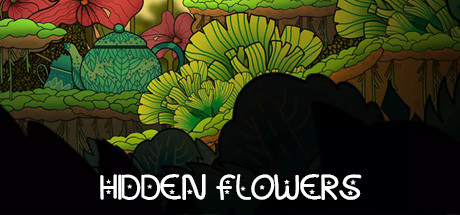
Hidden Flowers is a minimalist hidden-object puzzle game developed and published by Hede, built using the developer’s proprietary HEDE Game Engine. Like many of the studio’s titles, it focuses on a very straightforward gameplay concept that revolves around careful observation and pattern recognition. Instead of presenting players with a story-driven adventure or elaborate puzzle mechanics, the game strips the genre down to its most basic element: searching for small objects hidden inside a single illustrated scene. The premise is intentionally simple and accessible, making it easy for almost anyone to pick up and understand within seconds. The goal is to scan a colorful environment filled with visual clutter and identify specific objects requested by the game, gradually clearing the objective list through patient observation.
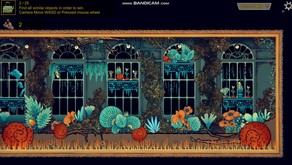
The gameplay loop is extremely direct. Players are presented with a detailed pixel-art landscape filled with decorative elements, shapes, and patterns designed to camouflage certain objects within the scenery. The game asks the player to locate a series of hidden items—often around twenty in total—and each item must be carefully spotted and clicked. Rather than showing the entire list at once, the game typically presents objects one at a time, encouraging the player to search the environment methodically. Because the requested items can change between play sessions, there is a small degree of replayability built into the design. Players may revisit the same scene multiple times while searching for different objects, which helps extend the otherwise short experience.
Visually, Hidden Flowers adopts a simple pixel-art style that emphasizes bright colors and busy compositions. The scene is filled with stylized environmental details—plants, buildings, decorative shapes, and background elements—that serve two purposes: creating a charming visual setting and disguising the hidden items. The pixel presentation is not particularly complex or high-resolution, but it works well within the context of the game’s design. Objects blend into the environment through color matching and shape manipulation, which forces players to slow down and carefully inspect the scene rather than quickly spotting the targets. In some cases, the hidden items are cleverly placed within the artwork, making them feel like a natural part of the environment instead of obvious puzzle pieces.
The audio design remains understated and minimal, complementing the calm and relaxed nature of the gameplay. Rather than dramatic soundtracks or intense sound effects, the game tends to rely on subtle background audio that keeps the atmosphere quiet and unobtrusive. This choice reinforces the casual pacing of the experience. Players are not rushed by timers or pressure systems, allowing them to approach the puzzle at their own pace. This relaxed structure can be appealing for players who enjoy slow, meditative gameplay sessions where observation and patience are the primary skills being tested.
Despite its pleasant simplicity, the game’s biggest weakness is the limited scope of its content. Hidden Flowers largely revolves around a single gameplay idea, and that idea does not evolve significantly over time. There are no additional puzzle layers, narrative context, or new mechanics introduced as players progress. Once the player understands how the hidden-object search works, the rest of the experience remains largely the same. Because of this, the game can feel repetitive after a short period, especially for players who prefer hidden-object titles with multiple levels, interactive environments, or puzzle variations.
The game also reflects a broader pattern within Hede’s catalog of releases. The developer has produced numerous small hidden-object games using similar design frameworks and assets, often with only minor changes in theme or environment. Hidden Flowers fits squarely within that ecosystem, offering a familiar experience for players who have tried the studio’s previous titles. For some audiences—particularly achievement hunters or casual puzzle enthusiasts—this formula may still provide a bit of quick entertainment. For others, the similarity between these titles may make the game feel somewhat generic compared to more expansive hidden-object adventures available on the platform.
In terms of accessibility, however, the game succeeds at being easy to approach. There are no complicated controls, no steep learning curve, and no demanding reflex challenges. Anyone with basic mouse controls can quickly start playing, making it suitable for short breaks or relaxed gaming sessions. The scoring system and achievements add a mild competitive element for players who want to optimize their performance or revisit the scene to improve their results. While this does not dramatically extend the game’s lifespan, it offers a small incentive to replay the puzzle after completion.
Ultimately, Hidden Flowers is best understood as a small, casual puzzle experience rather than a fully featured hidden-object adventure. It offers a calm and visually pleasant search challenge that may appeal to players looking for something simple and undemanding. At the same time, its limited content, repetitive structure, and lack of mechanical variety prevent it from standing out within the genre. Players who enjoy collecting or sampling small indie hidden-object titles may find it mildly entertaining, but those seeking depth or innovation will likely find the experience too brief and basic.
Overall, Hidden Flowers delivers a straightforward hidden-object puzzle built around relaxed gameplay and simple visual design. It accomplishes its basic goal of providing a short visual search challenge, but its minimal scope and repetitive gameplay keep it from becoming a memorable entry in the genre.
Rating: 4/10