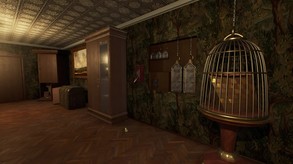
Gordian Rooms: A Curious Heritage is a Victorian escape game, where you solve various puzzles in your late uncle’s mansion in the hope of obtaining his legacy.
Modeled estimate, not a reported figure. How we estimate →
Media

About


Stats
All-time low is the lowest price we've recorded for this game since we started tracking it.
Languages: English, French, Italian, German, Spanish - Spain, Hungarian, Japanese, Korean, Russian, Simplified Chinese, Traditional Chinese
Engagement
Hours played at review time, across 40 reviews with recorded playtime.
Reviews
[b] Gordian Rooms 1: A curious heritage [/b] ist ein typisches kleines Rätsel-Point&Click mit Escape-Room-Charakter. Es ist nicht besonders aufregend und auch nicht wirklich lang, eher ein kleines Spiel mit 4 Leveln für zwischendurch. Story war solide. Insgesamt fand ich es ganz nett & für nur 89ct im Sale kann man es definitiv mal machen. Der zweite Teil scheint deutlich komplexer zu sein. Denke ich werde mich da auch irgendwann noch ranwagen! :)
[b]6/10[/b] [h1]Ein einziges Gesuche[/h1] Gordian Rooms ist ein Escape Room Game, in dem man Raum für Raum oder vielleicht auch Stockwerke (und das sind vermutlich auch die Kapitel) voranzukommen versucht. Ich habe mich durch Kapitel 1 gekämpft (Keller), und nach diesem bereits zähen Ringen habe ich nach meiner Erfahrung das deutliche Gefühl, dass ich es nicht länger versuchen muss. [h1]Gameplay[/h1] Gordian Rooms bietet eine Mischung aus Inventar einsammeln und sich in Minispiele reinklicken. Meist muss in letzteren dann eben noch etwas Gefundenes eingefügt oder/und Hinweise von woanders angewendet werden. Man läuft wie auch bei The Room feste Punkte ab. Heißt man klickt in die Ebene rein und der Charakter bewegt sich an den nächsten festen Punkt. Wie man sich einen einfachen VR Titel vorstellt, oder wie bei 3D-Adventures um die Jahrtausendwende, oder... wie auf Google Maps, oder... wie eben im mobilen Bereich. [h1]Optik/Ästhetik[/h1] Ob Gordian Rooms also daher kommt (mobile gaming)? Zuzutrauen wäre es ihm, denn die Grafik ist auch eher bescheiden. Grau in braun oder umgekehrt, schön ist anders. Realistisch soll es sein, aber das macht es nicht besser. Gar nicht mal, weil es nicht besonders hübsch ist (das könnte man ausblenden), sondern weil's das spielerisch erschwert. Finde mal in dem Matsch die entscheidenden Komponenten. Damit komme ich wohl schon zu... [h1]Kritik[/h1] Wie schon erwähnt breche ich das Spiel nach dem ersten Kapitel ab. Es hat mich direkt nicht überzeugt. Die Rätsel selbst erstreckten sich von "ja, erkennbar, nachvollziehbar" über "ok das hat jetzt einen Moment gedauert" bis zu "endlich, was für eine Mühe" oder "wie, wo, was?". Alles dabei und insgesamt nicht mein Fall. Hier mal konkrete Kritikpunkte, angefangen bei heftig bis hin zu vielleicht nur dezent/individuell nervig. [list] [*]Man sollte den Gammawert (Helligkeit) leider eher hoch stellen, sonst sieht man die gesuchten Dinge im Spiel überhaupt nicht. Bedeutet dann aber, dass im blödesten Fall die ganze Umgebung überblendet aussieht, als würde man sich ausgeblichene Fotos ansehen (wer's noch kennt). [*]Es ist ja schon blöd genug, hilflos die Umgebung nach den manchmal zu gut (weil harmlos und unauffällig) platzierten Objekten "abzuklicken"; wenn man dann aber nicht ahnt, dass man auf seiner Suche auch mal was wegziehen oder -schieben soll, dann verkommt das zur Unmöglichkeit. [*]Wie schon erwähnt, das Finden notwendiger Inventarobjekte in der ollen Grafik, speziell wenn es mehrere einer Art sind... du findest von xy Flaschen/Säckchen/Leitersprossen eben nicht alle und dödelst zehnmal alles nach der letzten fehlenden ab. [*]Rätsel sind im Nachhinein gerne mal nicht schwer, aber das Rätsel mit den Weinflaschen... naja eher nicht so gut nachvollziehbar. [/list] Ab Kapitel 2 wird's glaube ich optisch etwas freundlicher (man ist wieder aus dem Keller raus), aber dann hat man sich eben den falschen Einstieg gesucht, um mich zu überzeugen. Wer sich unsicher ist über das, was ich hier versuche zu vermitteln, der kann allerdings ganz einfach und kostenlos reinschauen und beurteilen, und vermutlich sogar genau in dieses erste Kapitel. Hätte ich das mal so gemacht. https://store.steampowered.com/app/1386790/Gordian_Rooms_A_curious_heritage_Prologue/ [h1]Fazit[/h1] Gordian Rooms geht bei mir zurück, auch wenn ich tatsächlich im Sale nur €1,19 gezahlt habe. Erfreut euch lieber an der [b]The Room[/b] - Serie (immer noch die Besten) oder meinetwegen an [b]The House of Da Vinci[/b]. Wer es wie ich gerne auch stilisiert, aber v.a. klar und deutlich und optisch "fröhlicher" haben möchte, probiert sich an den [b]Escape Room[/b] - Spielen von mc2games (auch wenn ich dort bisher auch so meine Kritik habe). https://store.steampowered.com/franchise/mc2escapes Oder vielleicht auch am beliebten [b]"Escape Simulator"[/b] - den ich allerdings auch noch nicht begutachtet habe. Alternativen sollte es jedenfalls genug geben. Ein schmaler Preis kann auch mal ein Argument dagegen sein.

160円でゲットしましたが1~3まであって2が難問でした 1つの計算式を自分で考える事ができず攻略見ましたがかなり難しくさすがエスケープだなーと思いました あと東西南北の合わせるのも頭が混乱するので2番目は時間かかりすぎて疲れました それを除けば簡単だと思います
Positive: + good music + good visual designs + a little story, but not too much + some decent riddles + 3rd room is the most fair room Negative: - too much pixel hunt, collecting items is just annoying - free cam VS "able to spin stuff" the same way, if you can't hold on to something -> you seasick trying (point and click VS free cam VS free movement) - Spinning letters, signs and numbers with the mouse is horrible - Cam won't go to solved places, you missed a letter in that corner? sorry, you will never get it now - no global item counter: to get all achievments you have to replay it all. If you are unlucky twice. - most of the time a fixed progression order to solve riddles (only once a hint system what to do last) - no way to take screenshots, even so you need to have those visuals before you -> extern screenshots needed - sometimes you can go back with RMB sometimes not. - lack of animation - click to find stuff that you really can't see (bad Pixel-hunt) Summary: All in all an okay escape room experience. Between B-Tier and C-Tier. (Scale: S, A, B, C, D, F) 6/10 Full price is okay. 4 Rooms. 4-5h.
Very good puzzle game, with interesting story. Maybe a little bit short... but i am thinking about buying the 2nd game :) Iam only encountered 1 bug, while i was looking around in the lounge map (in the little room with the phone), the camera became crazy and started spinning around like a maniac. It was funny at first, but i had to restart that room. It was probably bc i was about to turn around fast. I think... or i dont know. But other than this, everything was good :) Oh, és... hajrá magyarok! Jöhetnek még ilyen jó játékok! :D Örülök hogy találtam magyar fejlesztőktől is minőségi játékot :)
Me encantan este tipo de juegos tipo "Rooms" y que heredan, en cierta manera, el espíritu de la saga Myst; buenos puzzles, exploración, buena ambientación (aunque más limitada) y con un argumento más trabajado (aunque en este caso es más típico y forzado). Es verdad que esta primera entrega parece casi más una demo para prepararte para su segunda entrega y la terrible traducción al español hace que desluzca bastante. Por suerte, al final estos juegos no suelen ser dependientes del idioma, por lo que no suele haber mayor problema más allá de que te saca un poco de la ambientación. Por lo demás, recomendable.
Игра в стиле The House of Da Vinci ,даже управление такое же вроде (одной мышью) , головоломки вроде легче ,но гадать их нету ни какого желания, по графике даже попроще чем там. в целом тогда игра хороша по скидке для тех кто любит такие игры и кто коллекционирует значки.
A fairly decent and short puzzle game (and well made considering the size of the team), but the clunky controls can make manipulations occasionally tricky and some key items can be very easy to miss (fortunately the rooms aren't that big).
Gordian Rooms 1: A Curious Heritage is a first-person puzzle and escape room experience developed and published by Crimsonite Games that leans heavily into classic mystery storytelling and methodical problem-solving. The game invites players into a stately Victorian mansion inherited from a reclusive and eccentric uncle, where the promise of wealth is locked behind a series of carefully constructed rooms filled with mechanical contraptions, coded messages, and layered riddles. From the outset, the game establishes a calm, contemplative tone, positioning itself not as a thriller or horror title, but as a thoughtful intellectual challenge built around curiosity, patience, and observation. The mansion itself serves as both setting and central character. Each room is densely packed with period-appropriate furnishings, curious objects, and subtle visual cues that quietly suggest their importance without overt signposting. Rather than overwhelming the player with random interactables, Gordian Rooms takes a measured approach, encouraging close inspection of desks, paintings, cabinets, and ornamental details. The pleasure of the experience comes from realizing that almost nothing is decorative filler; nearly every object has a potential purpose, whether as a direct puzzle component or as a clue that informs a later solution. Puzzle design is where the game truly shines. The challenges range from traditional lock-and-key logic to more abstract pattern recognition, mechanical sequencing, and environmental deduction. Many puzzles unfold over time, requiring players to remember earlier discoveries and apply them in new contexts. Solutions are rarely handed to the player outright; instead, the game trusts players to draw connections themselves, creating a satisfying sense of intellectual ownership when a puzzle finally clicks. Importantly, the puzzles feel fair—answers are rooted in logic and observation rather than guesswork, which keeps frustration to a minimum even when progress slows. Gameplay is structured in a largely linear progression through the mansion, but within each area there is freedom to explore, backtrack, and re-examine clues. Interaction is intuitive and unobtrusive, relying on simple point-and-click mechanics, zoomed-in inspection views, and a clean inventory system. This straightforward control scheme allows players to focus entirely on reasoning rather than interface management. Optional collectibles and hidden messages provide additional layers for players who enjoy thorough exploration, rewarding attentiveness without making completion mandatory for progress. Narrative elements are delivered subtly through notes, letters, and environmental storytelling rather than cinematic exposition. As players advance, a clearer picture of the uncle’s personality and motivations begins to emerge, framing the puzzles not as arbitrary challenges but as deliberate tests left behind by a brilliant and secretive mind. This light narrative thread adds emotional texture to the experience, transforming the mansion from a mere puzzle box into a legacy shaped by obsession, intellect, and control. The story never overshadows gameplay, but it provides enough context to make progression feel meaningful. Visually, Gordian Rooms 1: A Curious Heritage adopts a restrained but effective aesthetic. The Victorian setting is rendered with attention to detail, from worn wood textures to subdued lighting that creates a sense of age and quiet isolation. The environments are clear and readable, ensuring puzzles remain legible even as the atmosphere stays immersive. Sound design complements this approach with subtle ambient cues and understated music that enhances focus rather than distracting from problem-solving. The pacing is deliberately slow and reflective, which suits the genre well. This is a game meant to be played thoughtfully, often in short sessions where careful consideration leads to gradual breakthroughs. While players seeking fast-paced action or heavy narrative drama may find the experience subdued, those who enjoy escape rooms, logic puzzles, and classic point-and-click sensibilities will find the tempo rewarding. The satisfaction comes not from spectacle, but from understanding. Overall, Gordian Rooms 1: A Curious Heritage stands as a strong example of focused puzzle design done with confidence and respect for the player’s intelligence. It avoids gimmicks and unnecessary complexity, instead delivering a tightly constructed experience built around observation, deduction, and atmosphere. While it does not attempt to reinvent the escape room genre, it refines it with elegance and consistency. For players who appreciate well-crafted puzzles, subtle storytelling, and a richly detailed setting, Gordian Rooms offers a memorable and intellectually satisfying journey through a house that rewards curiosity at every turn. Rating: 8/10
Jó kis játék. Aki szereti a "Room" szériát tetszeni fog neki. Nagyon hasonló a felépítése, vannak könnyebb és nehezebb gondolkodósabb feladványok. A grafika nagyon szép. A magyar fejlesztők igazán kitettek magukért! Remélem a második rész is hasonlóan jó lesz.
Related
Related
Trends
Concurrent players on Steam, sampled daily since tracking started.
Audience
Estimated from the language of this game's reviews — a proxy for where players are, not official Steam demographics.
Related
| 7 Days to Die | $425.3M | 403.6K | 87% | $44.99 |
| Palworld | $279.6M | 447.5K | 94% | $20.99 |
| The Forest | $254.8M | 678.6K | 96% | $19.99 |
| Ready or Not | $238.1M | 339K | 78% | $49.99 |
| Sons Of The Forest | $201.1M | 315K | 88% | $29.99 |
Related
| Duriano | $44.4K | 116 | 96% | $11.99 |
| Defensurvivor | $44.4K | 107 | 73% | $10.99 |
| Path of Sin: Greed | $44.4K | 187 | 89% | $14.99 |
| Puzzling Places - 3D Jigsaw Sim | $44.4K | 145 | 98% | $7.19 |
| EDGE | $44.4K | 2.3K | 92% | $0.83 |
| Lithium City | $44.4K | 298 | 92% | $7.99 |