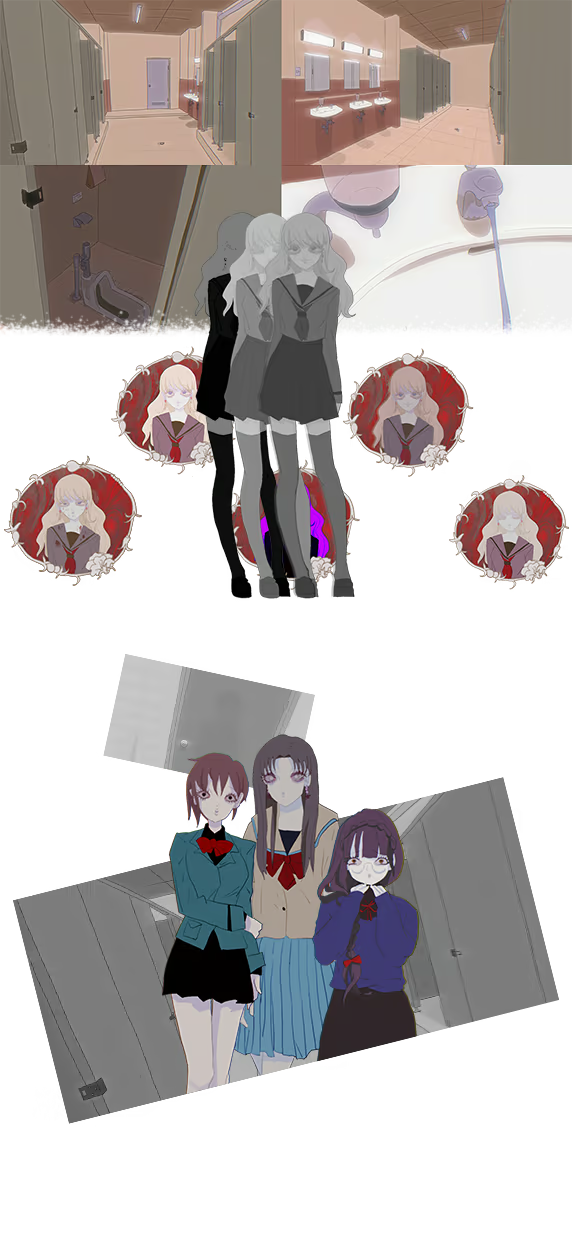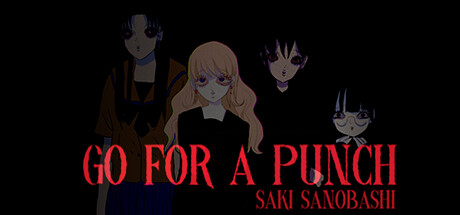
Four students find themselves trapped in the restroom of an abandoned school; the door is locked. Without a way of escaping, they can only cling to their remaining shreds of hope or come face to face with their inevitable ruin.
Modeled estimate, not a reported figure. How we estimate →
Media
About


Stats
All-time low is the lowest price we've recorded for this game since we started tracking it.
Languages: English*, Spanish - Spain*, Spanish - Latin America*, Simplified Chinese*, Ukrainian*, Japanese*, Korean*, Portuguese - Brazil*, Portuguese - Portugal**languages with full audio support
Engagement
Hours played at review time, across 41 reviews with recorded playtime.
Reviews
Themes across 41 recent reviews and how positive each mention is. A keyword signal, not full sentiment analysis.
positive critical· bar length = how often the theme comes up
Reviews
Now I'm really clueless about the purpose of the plot aside from, well, helping homies to accomplish their final wish, however the experience was memorable regardless! While the story turned out to be more superficial in some aspects than I'd hoped (especially regarding Saki and the protagonist's role), it was entertaining to follow and I found the themes to be impressively depicted. The heavy atmosphere manages to convey the fusion of despair and acceptance very well, supported by the chilling yet serene music, as well as the striking art! The point & click elements are a nice addition, allowing some exploration. Overall it's a highly intriguing VN, which partially suffers from limiting its execution within the brief timeframe.
Познакомился я с данным произведением во время финала в "своя игра", где был вопрос в стиле "аниме, которого не существует" и краткое описание событий в нём. Как вы поняли, ответом была именно эта игра. Не понимая, что это, почему назвали "аниме, которого не существует" и почему я об этом никогда не слышал - мне задарили эту крипипасту. Покопавшись в инете наскрёб эту информацию, чтобы Вам не искать, если лень. 21 февраля 2015 года на имиджборде 4chan в разделе /х/ (Паранормальное). Анон рассказал о странном аниме из жанра gyро, что он однажды увидел. Согласно описанию, группа из нескольких школьниц оказалась заперта в одной большой комнате без дверей, больше всего похожей на ванную. Как они туда попали, почему - история об этому умалчивает, однако между героинями начинаются споры о том, нужно ли им покидать эту комнату. Разговоры ни к чему не приводят, и, спустя несколько дней, оголодавшие и отчаявшиеся школьницы в конечном счёте кoнчают жiзнь camoyбийствom. Совместные поиски анонов не увенчались успехами, были предположения, что изначально чел увидел Эйфорию или же какая-то старая неизвестная студия выпустила жуткий xenтай, который канул в Лету. История получила развитие на ветке /а/, посвящённой аниме. Уже другой анон упомянул, что видел это аниме, и называлось оно "Саки Санобаши", либо "Иди на удар". В итоге всё превратилось местную интернет легенду - крипипасту. Если вернуться к данному произведению в стиме. Челы на хайпе сделали свою интерпретацию этой страшилки. Норм ли она? Ну вводную ситуацию даёт, выглядит уникально, неожиданный поворот есть. Из минусов - присутствуют баги, короткая по времени прохождения, нет русского. Наверн в отрыве от оригинального бекграунда - фигня, но в совокупности норм артефакт прошлого. И помни - sуицид не выход.
Curto, estranho e doentio. Não é um jogo, é um desconforto interativo. O conteúdo é pesado e perturbador de propósito. Funciona como terror psicológico experimental. Como diversão, não. Short, strange, and morbid. It's not a game, it's an interactive discomfort. The content is intentionally heavy and disturbing. It works as experimental psychological horror. As entertainment, it doesn't.
Omg?? What the hell did I just doooo??
Even though the gameplay is a bit stale and boring, the art is unsettling and beautiful. The music is simple, but really helps set the tone of the game, and the story remains faithful to the source material while adding new bits to fill in the blanks. Overall, I’d call this game a “must have” for anyone who’s interested in the “Go For A Punch!” lost media hoax.
Go For A Punch! Saki Sanobashi is a psychological horror visual novel developed and published by Veratrum, drawing inspiration from one of the internet’s most infamous lost-media legends. Rather than focusing on conventional scares or action-driven horror, the game builds its identity around uncertainty, isolation, and the disturbing possibilities hidden within an urban myth that has fascinated online communities for years. The premise immediately stands out because it transforms a mysterious rumor into an interactive narrative, allowing players to experience a version of the story that many have only encountered through fragmented discussions and speculation. The game places a strong emphasis on atmosphere, creating an oppressive sense of confinement that lingers throughout the experience. The central setting serves as more than just a backdrop; it becomes an active source of tension that constantly reminds players of the characters’ hopeless situation. The narrative explores themes of fear, desperation, and psychological deterioration as individuals are pushed beyond their emotional limits. Instead of relying heavily on jump scares, the horror emerges from conversations, character interactions, and the growing realization that escape may be impossible. One of the title’s greatest strengths is its commitment to storytelling. The visual novel format allows the developers to focus on dialogue, character development, and emotional progression. As the story unfolds, players gradually uncover details about the people trapped within the nightmare, making their struggles more meaningful and their decisions more impactful. The writing aims to capture the unsettling nature of the original legend while expanding it into a more complete and coherent narrative. This approach helps maintain suspense and encourages players to continue searching for answers even when the story becomes increasingly uncomfortable. Visually, the game embraces a dark and unsettling aesthetic that complements its subject matter. Character portraits, environmental artwork, and visual effects are designed to reinforce the feeling of dread. The presentation successfully balances mystery and horror, often allowing imagination to fill in the gaps rather than showing everything directly. This restraint can be more effective than explicit imagery, as it leaves room for players to interpret the horrors unfolding around them. The audio design also plays an important role in establishing the game’s atmosphere. Ambient sounds and haunting musical pieces help create a constant sense of unease. Silence is often used strategically, making certain moments feel even more tense and emotionally charged. Together, the visuals and soundscape work effectively to immerse players in the bleak environment and amplify the psychological impact of the narrative. While the game will likely appeal most to fans of horror visual novels and internet mystery culture, its pacing may not satisfy players seeking frequent gameplay mechanics or action-oriented challenges. Much of the experience revolves around reading, observing, and absorbing the story. Those who appreciate narrative-driven horror will find plenty to enjoy, while others may consider the slower progression a limitation. Nevertheless, the focused approach allows the game to maintain a consistent atmosphere and deliver its themes with greater impact. Overall, Go For A Punch! Saki Sanobashi succeeds as a fascinating adaptation of a well-known online legend. By blending psychological horror, strong atmosphere, and narrative-driven storytelling, it offers an experience that feels both unsettling and intriguing. Its commitment to exploring the mystery behind the myth gives it a unique identity among indie horror titles, making it particularly appealing to players interested in dark stories and lost-media folklore. Though not without its niche appeal, it effectively captures the dread, curiosity, and fascination that made the original legend so memorable. Rating: 8/10
Game promotes suicide
Ritengo doveroso iniziare la recensione con una breve spiegazione sul “leggendario” antefatto che si trova all'origine di questo videogioco. Circa una decina di anni fa, circolarono in internet alcune voci riguardo un macabro cartone giapponese, in stile horror, incentrato su quattro studentesse delle scuole superiori chiuse all'interno di un bagno di una località non precisata. Spaventate, affamate, disperate e sempre più consapevoli di essere irrimediabilmente in trappola, il tutto si conclude con una serie di omicidi/suicidi attraverso scene piuttosto violente, dove dettagli e particolari tanto disturbanti quanto inquietanti non vengono risparmiati. Chi affermava di aver visionato in rete tale anime, segnalò un nome specifico, ovvero Saki Sanobashi – che è, di fatto, l’appellativo della protagonista indiscussa del gioco –; a detta invece del pioniere che avrebbe trovato per primo le tracce del cartone sopra menzionato, il titolo avrebbe dovuto essere Go For A Punch! A prescindere che tale materiale sia esistito o meno, che si tratti di una leggenda o di un qualcosa oggi perduto nei meandri di internet, le due “nomenclature” sono confluite in questo videogioco, formando così una sola anima. Il gioco cambia alcuni dettagli rispetto all'anime considerato oggi irrecuperabile e, per motivare il perché le quattro protagoniste si trovino in quel bagno, fornisce un interessante spiegazione: le ragazze avevano già avuto modo di conoscersi attraverso l’internet e, grazie all'aiuto di una quinta persona che deve fornire loro l’occorrente per uccidersi, confluiscono tutte assieme nel luogo indicato per mettere fine alla loro esistenza in modo premeditato. Qualcosa però va storto e il quinto membro del gruppo – impersonato dal giocatore stesso, che può digitare un nome e un cognome, oltreché decidere il sesso di appartenenza – afferma di aver scordato l’occorrente in macchina; basterebbero pochi minuti per andare e tornare con gli attrezzi del caso, se non fosse che, alla sua uscita, le porte del bagno si serrano e le ragazze restano intrappolate al suo interno. Da lì inizia l’inquietante galleria degli orrori, in una macabra spirale di morti che, se non perfettamente in stile horror, sono a mio modesto avviso altamente disturbanti; ritengo infatti impossibile non restare emotivamente coinvolti in quello che accade. Se posso dare un consiglio, iniziate una nuova partita subito dopo aver concluso la precedente: la scena che vedrete aggiungerà infatti un particolare decisivo al finale al quale avete appena assistito, modificandone di fatto la portata in modo integrale e dando adito a un esito del tutto diverso. Provare per credere. I disegni sono rozzi, quasi abbozzati, dai colori spenti, con pochissimi dettagli, senza nessun effetto ombra. Un tratto tanto acerbo non incarna l’incapacità dello sviluppatore di disegnare in modo adeguato, ma è probabilmente un qualcosa di voluto per accrescere l’inquietudine che aumenta ogni minuto di più. Non si assiste quasi mai al momento in cui le ragazze muoiono, ma le immagini post mortem e il suono della loro tragica fine riecheggia nelle orecchie del giocatore anche diverso tempo dopo che la partita è terminata. Nel momento in cui la vita lascia il corpo delle protagoniste, tutto diviene nero, impedendoci di vedere, ma ciò acuisce il senso dell’udito, incrementando di fatto la percezione dei suoni e spingendoci a immaginare la scena in modo probabilmente più truculento di quanto il gioco stesso avrebbe fatto. Sotto questo aspetto, gli effetti sonori e la colonna sonora giocano un ruolo decisivo e ottimamente realizzato. Non manca neppure una certa profondità psicologica. Pur brevissima – per ottenere tutti gli obiettivi servono un paio di partite, per un massimo di tre ore complessive –, la vicenda lascia emergere anche intriganti contraddizioni dell’animo umano: benché le ragazze desiderino morire (seppur alle loro regole e a modo proprio), quando si trovano in una situazione che le atterrisce, che non avevano previsto e che, di fatto, non desiderano, ecco che riemerge un certo istinto di autoconservazione, la speranza che qualcosa o qualcuno possa salvare la psiche tormentata delle aspirante suicide e una domanda fondamentale: è davvero questo ciò che esse desiderano veramente? Confesso che, per essere un gioco tanto corto e con uno stile così altamente abbozzato, il prezzo intero è un pochino alto. Nonostante ciò, posso affermare senza paura che un prodotto del genere valga ogni singolo centesimo. Le occasioni di ottenerlo in offerta non mancano, quindi suggerisco di fare vostra questa piccola perla non appena si presenterà l’occasione di pagare qualcosina di meno. Ricordatevi bene, però, che non è assolutamente un titolo per tutti. I giocatori eccessivamente sensibili, troppo facilmente impressionabili e pericolosamente empatici faranno bene a tenersi alla larga e a non giocarlo di notte; di suggestioni ce ne sono fin troppe ed è meglio non peggiorare la situazione.
pretty short but honestly peak
I played so much horror games growing up and this is the only one that I actually had genuine anxiety attacks playing. Edit: forgot to mention I 100%d this. 10/10 reccomend
Related
Related
Trends
Concurrent players on Steam, sampled daily since tracking started.
Audience
Estimated from the language of this game's reviews — a proxy for where players are, not official Steam demographics.
Related
| Greenhearth Necromancer | $31.5K | 93 | 97% | $8.79 |
| Z-Race | $31.5K | 75 | 76% | $14.99 |
| Twickles | $31.6K | 134 | 92% | $6.99 |
| Elf Discipline Ceremony | $31.5K | 83 | 70% | $10.99 |
| A Kobold Story : Trenchcoat Adventurer | $31.5K | 65 | 98% | $19.99 |
| The Moon Sliver | $31.5K | 988 | 78% | $1.99 |