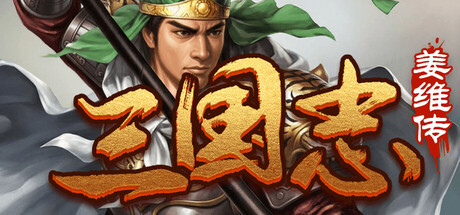
《三国志之姜维传》是一款致敬《曹操传》的像素风回合战棋RPG!化身蜀汉末期悲情英雄姜维,在复古像素战场上运筹帷幄。体验深度改编的《姜维传》史诗剧情,感受蜀汉最后的坚守与北伐的壮烈。丰富技能体系带来多变策略组合,地形、兵种、走位考验你的智慧。重温经典战棋魅力,书写荡气回肠的三国终章!
Modeled estimate, not a reported figure. How we estimate →
Media

About
This game allows players to take on the role of Jiang Wei, a Shu Kingdom general from the Three Kingdoms era, following an adapted version of the "Tale of Jiang Wei." Originally released about two to three years ago as a WeChat Mini Program, the game is now relaunching on Steam due to popular demand from players.
After collecting the three chests in the starting area, you can leave. Click the quick-travel button on the interface to instantly reach shops or the city gates.
The art style, like several other games in the series, features pixel-art renditions of classic Three Kingdoms characters.
The combat system uses a side-scrolling turn-based format—engage in battles by colliding with enemies on the map.
There are many hidden chests containing money and equipment, so be sure to search for them!
The game’s world map can be found by searching for "Jiang Wei’s Campaign Map" in the official WeChat account 抓狗离 A preview image is provided here, but the full-sized map isn’t visible on the details page—players will need to check the official account for the complete version.
As the story progresses, players make choices that determine which generals join their team, gradually expanding their roster. The main characters focus on Shu Kingdom’s late-era generals, complemented by a wide array of skills and equipment to enrich gameplay.
Stats
All-time low is the lowest price we've recorded for this game since we started tracking it.
Languages: Simplified Chinese**languages with full audio support
Reviews
讲道理,这个遇敌和撤退概率很难让人玩下去,暗雷两步遇敌,路上小怪5个人全部撤退能连续三回合(也就是15次)逃不掉,真给我气笑了。然后看更新公告这特么还是调高过的?设计是故意在恶心玩家嘛?
我是玩了学习班,来补票的。顺便说一下,我还没过司马懿,我现在没有找到 玄武的地址。要是有条件,以后出的游戏看能不能 出点地图。满世界找,我头都晕了。
身為姜維的粉絲,能玩到這款遊戲是我一生榮幸!!!
Related
Related
Trends
Concurrent players on Steam, sampled daily since tracking started.
Romance of the Three Kingdoms: Jiang Wei’s Story developed and published by 赚大钱工作室 is a retro-inspired tactical role-playing game that deliberately channels the spirit of classic turn-based strategy titles, particularly those in the lineage of older grid-based war simulations. Rather than retelling the most familiar early chapters of the Three Kingdoms era, the game focuses on the later period of the Shu Han kingdom, placing Jiang Wei at the center of its narrative. This shift in perspective gives the experience a more somber and reflective tone, as it explores a time defined less by ambition and rise, and more by perseverance in the face of inevitable decline. The gameplay is firmly rooted in traditional turn-based strategy mechanics, with battles unfolding on grid-based maps where positioning, terrain, and unit composition play crucial roles. Players must carefully consider each move, balancing offense and defense while accounting for enemy formations and environmental advantages. The system emphasizes thoughtful planning over speed, encouraging players to take their time and approach each encounter methodically. Unit types and abilities provide some degree of tactical variety, allowing for different strategies depending on how the player chooses to build their team and respond to specific challenges. While the mechanics are straightforward, they are also reliable, offering a familiar structure that fans of classic strategy games will immediately recognize. Narrative is a significant component of the experience, and it is here that the game distinguishes itself most clearly. By centering on Jiang Wei and the later years of Shu Han, the story takes on a more tragic and introspective tone compared to the heroic narratives often associated with the Three Kingdoms setting. The game portrays the ongoing struggles of a fading state, highlighting themes of loyalty, determination, and the weight of legacy. For players who are familiar with the historical context, this perspective adds emotional depth, as many of the events carry an underlying sense of inevitability. Even for those less familiar with the history, the story’s focus on personal and political struggle provides a compelling backdrop to the tactical gameplay. The structure of the campaign is built around a series of missions with varied objectives, such as defending key positions, breaking through enemy lines, or eliminating specific targets. These scenarios require players to adapt their approach based on the conditions of each battle, often demanding careful resource management and strategic foresight. Some missions can be particularly challenging, encouraging experimentation and repeated attempts to find the most effective solution. This design reinforces the game’s emphasis on patience and planning, though it may also feel slow-paced for players who prefer more immediate or dynamic gameplay. Visually, the game adopts a pixel art style that reflects its retro influences. The graphics are functional and clear, ensuring that units and terrain are easy to distinguish during battles, which is essential for a strategy-focused experience. However, the presentation remains relatively simple, with limited variation in environments and character animations. While this approach successfully evokes a sense of nostalgia, it also means the game lacks the visual depth or modern polish that might attract a broader audience. The audio design follows a similar path, providing adequate support for the gameplay without standing out as a defining feature. One of the defining aspects of the game is its strong reliance on nostalgia. It does not attempt to significantly modernize or innovate upon its chosen formula, instead choosing to replicate and refine a style of gameplay that has largely remained unchanged for decades. This makes it particularly appealing to players who have a fondness for older tactical RPGs, as it captures the pacing and structure of those experiences with a high degree of fidelity. At the same time, this adherence to tradition can also be limiting, as the game offers little in the way of new ideas or systems that would set it apart from its inspirations. Despite these limitations, the game succeeds in delivering a cohesive and engaging experience within its chosen scope. Its strength lies in the combination of solid tactical gameplay and a narrative that explores a less commonly depicted period of the Three Kingdoms era. While it may not offer the depth or production value of larger strategy titles, it provides a focused and consistent experience that rewards careful planning and an appreciation for its historical themes. In the end, Romance of the Three Kingdoms: Jiang Wei’s Story is best suited for players who enjoy traditional turn-based strategy games and have an interest in the Three Kingdoms setting. It is a game that prioritizes familiarity and atmosphere over innovation, offering a steady and sometimes challenging journey through a poignant chapter of history. While it may feel dated in certain aspects and lacks broader appeal, it remains a worthwhile experience for those who value its style and subject matter. Rating: 6/10
Momentum
Pace estimated from the game's recent review growth (our daily snapshots) at its own sales-per-review ratio — a momentum signal, not booked sales.
Related
| Food and Girls | $315.6 | 51 | 86% | $0.49 |
| Bongo Quest | $315.6 | 51 | 45% | $0.49 |
| Glasses and Girls | $315.6 | 51 | 82% | $0.49 |
| Dances and Girls | $322 | 52 | 83% | $0.49 |
| Carnival and Girls | $334.4 | 53 | 85% | $0.49 |
| Anime Sunset Ride | $334.4 | 54 | 67% | $0.49 |
Related
| Slay the Spire | $77.4M | 189.7K | 97% | $24.99 |
| The Scroll of Taiwu : Beyond The Dome | $62.2M | 69.6K | 66% | $29.99 |
| Tabletop Simulator | $42.2M | 73.8K | 96% | $19.99 |
| Coral Island | $20.8M | 27.2K | 89% | $29.99 |
| Volcano Princess | $14.6M | 48.5K | 98% | $10.99 |
| Peglin | $10.1M | 16.5K | 83% | $19.99 |