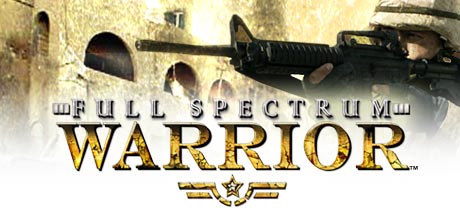
The U.S. Army is the most powerful ground force in the entire world. The backbone of a ground invasion is the U.S. Army Infantry, and in the midst of combat, their skills, courage, and teamwork are put to the test. While readiness continues to be the U.S. Army's top priority, how it goes about its business is changing.
Modeled estimate, not a reported figure. How we estimate →
About
Stats
All-time low is the lowest price we've recorded for this game since we started tracking it.
Languages: English, French, Italian, Spanish - Spain, Korean, German
Engagement
Hours played at review time, across 40 reviews with recorded playtime.
Reviews
Themes across 40 recent reviews and how positive each mention is. A keyword signal, not full sentiment analysis.
positive critical· bar length = how often the theme comes up
Reviews
A
To fix the sound issues, download "Indirect Sound" wrapper library (see a guide in the Community tab).
<3
Es increíble como lo terminé en dificultad "Soldado" (Digamos que es "Fácil") y la IA me daba CADA PALIZA, que si no fuese porque me divertí, habría abandonado este juego hace varias horas atrás. La camara es una poronga, pero es jugable.
I bought both these games. I don't have many tactical games in my library but I had fun playing these.
3rd person shooter. You control your fire teams' movements, direct their fire, and direct individual team members. This is not a first person shooter. The only way you directly fire is to have your team(s) engage in suppression (covering) fire - they will shoot anything, friend or foe - or have a team member deploy a frag or M203. It's really about tactics.
Just like I remember it from the PS2.
Zdecydowanie warta sprawdzenia klasyka. Gra powstała początkowo z zamysłem jako narzędzie projektu wojskowego do szkolenia taktycznego w środowisku zurbanizowanym, oddziałów a głównie ich dowódców. Gra na pewno rozwija myślenie strategiczne.
super gierka pozdrawiam
Full Spectrum Warrior, developed by Pandemic Studios and published by THQ Nordic, stands as one of the most distinctive tactical experiences to come out of the early 2000s, merging military realism with strategy in a way few games dared to attempt. Originally conceived as a training aid for the U.S. Army before being adapted into a commercial release, it occupies a unique space between simulation and entertainment. Rather than casting the player as a superhuman soldier mowing down waves of enemies, it demands leadership, planning, and control. You don’t fire a single bullet yourself—instead, you command two fire teams through the tense, unpredictable streets of a fictional Middle Eastern city. The focus is not on reflexes but on tactics, suppression, and coordination. The result is a game that feels both grounded and cerebral, emphasizing discipline and teamwork over raw aggression. The game’s premise is simple yet immersive: you play as a squad leader guiding Alpha and Bravo teams through hostile urban environments. The fictional setting—Zekistan—is a war-torn landscape reminiscent of real-world conflict zones, filled with bombed-out buildings, alleys, and ambush points. The campaign’s missions vary from street patrols and hostage rescues to full-scale assaults on entrenched enemy positions, each designed to teach and test different principles of squad tactics. Every action you take feels deliberate, from ordering your team to take cover behind a burned-out car to flanking an enemy position under suppressive fire. There’s no room for carelessness, and the penalty for poor coordination can be swift and brutal. Pandemic’s design philosophy was clear: success comes not from speed or brute force, but from patience, communication, and methodical precision. One of Full Spectrum Warrior’s most notable features is its control system. You don’t directly control soldiers in the traditional sense; instead, you issue commands through contextual orders, moving your squads as cohesive units. Point to a location, and they’ll automatically take cover and face likely enemy threats. Order them to suppress a target, and they’ll lay down covering fire while another team maneuvers. It’s a fluid, intuitive interface that allows for complex tactical decisions without overwhelming the player with micromanagement. This system forces you to think like an officer rather than a foot soldier—planning angles of attack, maintaining overlapping fields of fire, and ensuring that one team always supports the other. The combat feels tense and deliberate, as every move exposes your squad to potential danger, and every victory feels earned through smart, measured play. Visually, the game captures the gritty, oppressive atmosphere of urban warfare. The dusty streets, crumbling facades, and smoke-filled skies create a convincing backdrop for the tactical engagements. While the graphics may show their age today, at the time of release they were impressive in both environmental detail and animation fidelity. The soldiers move realistically, taking cover with believable motions, leaning around corners, and ducking instinctively when under fire. The sound design plays a major role in heightening immersion—radio chatter, distant explosions, and the crack of rifle fire give every mission an authentic sense of chaos. The voice acting, while at times stiff, effectively conveys the camaraderie and professionalism of trained soldiers under stress, lending credibility to the game’s tone. The realism extends to how the game treats combat. There are no health packs, no regenerating armor, and no heroic firefights where one man can turn the tide. Your soldiers are vulnerable, and once one is down, it’s a serious problem. This vulnerability changes how you approach every encounter. Instead of rushing in, you’re constantly scanning for cover, planning suppressive routes, and positioning your squads to minimize exposure. The game rewards cautious, disciplined play and punishes recklessness, which gives it a rhythm distinct from most shooters. It’s not about action spectacle; it’s about tension and anticipation. Each street corner and doorway becomes a potential threat, and that slow, deliberate pacing adds weight to every decision. Narratively, Full Spectrum Warrior keeps things understated. The story, told through brief cutscenes and mission briefings, focuses on the professionalism of the soldiers rather than dramatic heroics. There are political undertones and glimpses into the chaos of modern conflict, but the narrative never overwhelms the gameplay. It’s clear that the developers’ goal was to present a grounded depiction of military operations rather than a cinematic war story. The fictional setting of Zekistan provides enough distance from real-world events to avoid controversy, while still conveying the gritty reality of asymmetric warfare. The dialogue between squad members, sprinkled with dark humor and military jargon, humanizes the experience, reinforcing the idea that these are ordinary people navigating extraordinary circumstances. Despite its many strengths, Full Spectrum Warrior isn’t without flaws. The rigid command structure that defines the game’s realism can also make it feel restrictive. There’s little room for improvisation outside of the tools the system gives you, and some players may find the pace too slow or the control scheme too detached. Occasional AI hiccups can also break immersion—soldiers may expose themselves unnecessarily or fail to respond quickly to threats. The difficulty curve can be unforgiving, particularly for players unfamiliar with real tactical principles, as the game expects you to think in terms of cover arcs and fire suppression rather than direct confrontation. However, for those who embrace its demands, these limitations reinforce the game’s commitment to authenticity and precision. In terms of legacy, Full Spectrum Warrior remains one of the most innovative tactical games of its era. Its hybrid design—half training simulator, half strategy game—paved the way for future titles that emphasized realism and squad-based tactics, influencing games like Ghost Recon: Advanced Warfighter and even modern tactical shooters. What makes it stand out even now is its refusal to compromise its identity. It’s a game about leadership under pressure, about making decisions with incomplete information, and about the stark difference between success and disaster in a combat environment. While it may lack the spectacle of Hollywood-style shooters, it offers something more rare: an authentic sense of command responsibility and the satisfaction of executing a flawless maneuver under fire. Full Spectrum Warrior endures as a remarkable experiment in tactical realism and design restraint. It’s not a game for everyone—it demands patience, thought, and precision—but for those who appreciate slow, methodical strategy wrapped in a believable military context, it delivers an experience that few other games can match. Its combination of intuitive squad control, tense combat, and grounded atmosphere makes it a standout in the history of tactical gaming. Even years after its release, it remains a powerful reminder that sometimes the most compelling victories in war games come not from pulling the trigger, but from making the right call when everything is on the line. Rating: 7/10
Related
Related
Trends
Modeled estimate over time, reconstructed from Steam's monthly review histogram.
Momentum
Pace estimated from the game's recent review growth (our daily snapshots) at its own sales-per-review ratio — a momentum signal, not booked sales.
Audience
Estimated from the language of this game's reviews — a proxy for where players are, not official Steam demographics.
Related
| Grim Nights | $102.4K | 1.5K | 88% | $2.99 |
| Farmagia | $102.4K | 86 | 59% | $49.99 |
| Journey to Incrementalia | $102.5K | 905 | 87% | $4.99 |
| JUSTICE SUCKS: Tactical Vacuum Action | $102.5K | 263 | 96% | $19.99 |
| Hitman 2: Silent Assassin | $102.5K | 4.8K | 82% | $0.89 |
| Meridian: New World | $102.5K | 529 | 48% | $6.99 |