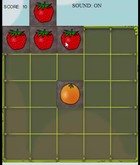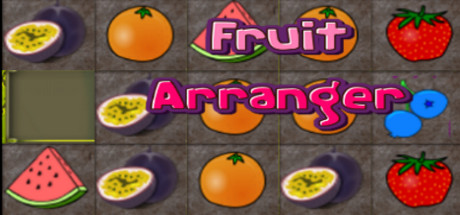
Fruit Arranger is a fun puzzle game where you have to place fruits on a 9x9 table. When you match 3 in a same row or column the last fruit placed will transform into another fruit. Your goal is to place as many fruits as possible without getting stuck.OVER 100 ACHIEVEMENTS to gain
Modeled estimate, not a reported figure. How we estimate →
Media

About
Genres
Stats
All-time low is the lowest price we've recorded for this game since we started tracking it.
Languages: English
Engagement
Hours played at review time, across 40 reviews with recorded playtime.
Reviews
░░░░░░░░░░░████ ░░░░░░░░░░░█░░█ ░░░░░░░░░░█░░░█ ░░░░░░░░░█░░░░█ ██████▄▄█░░░░░███▄ ▓▓▓▓▓█░░░░░░░░░░░░█ ▓▓▓▓▓█░░░░░░░░░░░░█ ▓▓▓▓▓█░░░░░░░░░░░░█ ▓▓▓▓▓█░░░░░░░░░░░░█ ▓▓▓▓▓█░░░░░░░░░░░░█ ▓▓▓▓▓█░░░░░░░░░░░ ░░░░░░░░░░░░▀▀
Very boring but atleast easy to 100%
Fruit Arranger is your classic match 3 game. There are no special gimmicks or features, and there doesn't have to be. Sometimes, simple and straightforward works. There could be better music or visuals but overall, you are getting what you paid for, a simple match 3 game with fruit.
this game is so good you need to buy it now
Fruit Arranger is a minimalist puzzle experience developed and published by Mihai Morosanu that embraces simplicity as both its defining strength and its central design philosophy. At first glance, it appears almost disarmingly straightforward: a 9×9 grid, a selection of colorful fruit icons, and the task of placing them in ways that prevent the board from filling up. Yet beneath that modest presentation lies a carefully structured spatial puzzle that rewards foresight, pattern recognition, and long-term planning. Rather than overwhelming players with modes, power-ups, or visual spectacle, the game focuses on a single core mechanic and explores its depth through repetition and incremental mastery. The gameplay revolves around placing fruits one at a time onto the grid. When three identical fruits align in a row or column, the most recently placed fruit evolves into a new type, subtly altering the board’s state and creating opportunities for further combinations. This transformation mechanic is the key twist that distinguishes Fruit Arranger from traditional match-three formulas. Instead of clearing matched pieces from the board, the game evolves them, forcing players to think several moves ahead. Each placement has ripple effects, influencing not just immediate alignment but the broader layout and potential for future transformations. Because the board does not reset or offer frequent clearing mechanics, space management becomes the dominant strategic concern. What makes the design compelling is the constant tension between short-term gain and long-term sustainability. Creating a match might seem beneficial in the moment, but if it results in awkward spacing or isolates certain fruit types, it can limit future options. The 9×9 grid feels spacious enough to encourage experimentation early on, yet it gradually becomes claustrophobic as more fruit types populate the board. The game does not impose time limits or pressure players with countdowns, allowing for deliberate decision-making. This unhurried pacing gives Fruit Arranger a contemplative quality; it feels more like solving a logic puzzle than reacting to a reflex challenge. Visually, the presentation is clean and utilitarian. The fruit sprites are bright and easily distinguishable, and the grid is clearly defined, prioritizing clarity over decorative flourishes. There are no elaborate animations or visual effects accompanying matches, and the interface remains straightforward throughout. While some players might find the aesthetic overly plain, this restraint aligns with the game’s mechanical focus. By stripping away excess embellishment, the design ensures that attention remains squarely on spatial reasoning and board management. The simplicity also contributes to accessibility, making it easy to understand the game’s rules without extensive tutorials. The open-ended nature of Fruit Arranger means there is no conventional win state. Sessions continue until the board fills to the point where no more placements are possible. This structure transforms the experience into a test of endurance and optimization rather than progression through discrete levels. Personal best scores and achievement milestones become the primary motivators. For players who enjoy self-improvement loops and incremental performance gains, this format can be surprisingly addictive. The sense of accomplishment comes from extending a run further than before or discovering more efficient arrangements. One notable aspect of the game is its extensive achievement list, which adds a meta-layer of objectives beyond pure survival. These achievements encourage experimentation with different placement strategies and reward persistence. They serve as external markers of progress in an otherwise sandbox-like structure. While achievements alone do not fundamentally change the gameplay, they provide additional incentives for players who enjoy completionist goals. However, the game’s focused scope also means that variety is limited. Without multiple modes, dynamic events, or evolving mechanics introduced over time, the core loop remains consistent from start to finish. For some players, this consistency fosters a soothing and meditative experience. For others, it may lead to repetition, particularly during longer sessions. The enjoyment of Fruit Arranger largely depends on one’s tolerance for minimalist design and appreciation for incremental strategic refinement. In essence, Fruit Arranger stands as a thoughtfully constructed indie puzzle that demonstrates how much depth can be extracted from a simple concept. It avoids spectacle in favor of clarity, avoids complexity in favor of elegance, and relies on player ingenuity rather than scripted progression. While it may not compete with larger puzzle franchises in terms of content breadth or production value, it succeeds in delivering a focused and intellectually engaging experience. For players who value methodical gameplay, spatial reasoning, and a calm yet challenging environment, Fruit Arranger offers a satisfying and quietly absorbing puzzle journey. Rating: 6/10
this game has truley arranged my life into something fruitful and awesome
Candy Crush oyunu gibi bize vermiş olduğu meyve ile en az 3 tanesini yan yana getirmemiz gerekiyor. Ta ki ne zaman çıkmaza girer isek bitmiş oluyor. Ben ucuz iken almıştım şimdi 1$ olmuş koleksiyon kartı veya başarım kasmak istiyorsanız alın.
Easy Headache and Pain, Very Very tough and annoying Match 3 game. Pretty solid rng puzzle game.
Amazing game it blew me away. Consider my shivers timbered
arrange fruits best game i ever experienced in my life it changed my perspective of life
Related
Related
Trends
Modeled estimate over time, reconstructed from Steam's monthly review histogram.
Momentum
Pace estimated from the game's recent review growth (our daily snapshots) at its own sales-per-review ratio — a momentum signal, not booked sales.
Audience
Estimated from the language of this game's reviews — a proxy for where players are, not official Steam demographics.
Related
| Disoriented | $5.1K | 402 | 82% | $2.99 |
| Mucorales | $5.1K | 164 | 96% | $1.99 |
| DEATHWATCH | $5.1K | 130 | 90% | $2.09 |
| The Adventurer - Episode 1: Beginning of the End | $5.1K | 363 | 59% | $0.49 |
| Duel to The Holes | $5.1K | 140 | 79% | $1.59 |
| Remaya Idle | $5.1K | 84 | 62% | $2.99 |
Related
| Euro Truck Simulator 2 | $421.6M | 932.1K | 97% | $19.99 |
| Stardew Valley | $243.2M | 1M | 98% | $14.99 |
| Garry's Mod | $228.7M | 1.3M | 97% | $9.99 |
| Factorio | $140.6M | 232.2K | 98% | $35.00 |
| Human Fall Flat | $109.3M | 225.6K | 95% | $19.99 |
| American Truck Simulator | $103.7M | 194.1K | 97% | $19.99 |