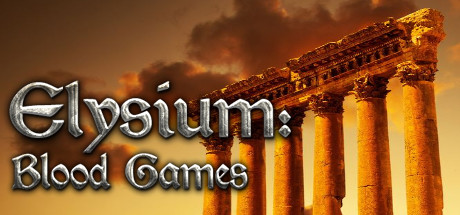
Enter a world of blood, influence and secrets in this easy to learn, yet deep strategy sim where you control a group of Gladiators, guiding them through combat and competition. Bribe, gamble and slash your way to an arena championship!
Modeled estimate, not a reported figure. How we estimate →
Media
About
Genres
Stats
All-time low is the lowest price we've recorded for this game since we started tracking it.
Languages: English
Engagement
Hours played at review time, across 40 reviews with recorded playtime.
Reviews
Themes across 40 recent reviews and how positive each mention is. A keyword signal, not full sentiment analysis.
positive critical· bar length = how often the theme comes up
Reviews
we need chinese, Ach. 202304,steam,steam掉卡抵扣,t a o宝,支付宝红包,humble,indie gala,daily indie game,fanatical,杉果,它处自定义包入的本体约4元。爱人如己,目前就这,看以后追评。兄弟萌,强烈建议不要第三方平台的小店买y u额,通过饰品等挂steam市场转的,高概率red信乃至封号,且行且珍惜。
Хороший менеджер про гладиаторов, где победа зависит не только от силы бойцов, но и от грамотных решений за пределами арены.
Коротко: Купил. Запустил. Удалил. Проходняк, который выветривается из головы быстрее, чем закрывается окно игры.
вот тебе и колизей
да
Elysium: Blood Games is a gritty, text-driven gladiatorial management simulator developed by SimProse Studios and published by Conglomerate 5 that carves out a distinctive niche within the strategy genre. Rather than presenting arena combat through flashy real-time action or elaborate 3D spectacle, the game leans heavily into statistics, written combat narration, and systemic depth. Players assume the role of an Arenamaster responsible for recruiting, training, and guiding a stable of gladiators through brutal careers defined by calculated risks, hard-earned victories, and permanent consequences. The result is a game that feels less like a traditional combat title and more like a hybrid between a sports management simulator and a dark fantasy career engine. At the heart of the experience lies its career mode, which tracks the rise and fall of your fighters across seasons of arena competition. Each gladiator is defined by a set of core attributes—such as strength, agility, stamina, and resilience—along with unique traits that influence how they perform under pressure. These statistics are not superficial labels; they meaningfully shape outcomes in battle and determine long-term viability. Fighters age, suffer injuries, gain scars, and can even die permanently. This persistence creates genuine tension, as every match carries the possibility of irreversible loss. Managing recovery periods, balancing training intensity, and knowing when to retire a veteran before decline sets in become strategic decisions that can make or break your arena legacy. Combat itself unfolds through detailed text reports and player-directed tactical choices rather than animated duels. Before and during each fight, you can assign behavioral attitudes or issue specific commands, choosing between aggressive maneuvers, defensive stances, or targeted strikes designed to inflict bleeding or exploit weaknesses. The game provides granular feedback through hit percentages, damage calculations, and status effects, allowing players to analyze the ebb and flow of each encounter. While the lack of visual spectacle may deter those seeking cinematic action, the textual format fosters a more analytical form of engagement. Victory often comes not from reflexes but from preparation, statistical advantage, and thoughtful risk assessment. Beyond the arena floor, Elysium incorporates layers of economic and political maneuvering that deepen its management mechanics. Reputation and influence function as currencies that can be spent on various advantages, from bribing officials to subtly altering match conditions. You may invest in advertising to boost crowd interest, place bets on outcomes, or deploy special items that temporarily enhance a fighter’s capabilities. These systems create a morally ambiguous undercurrent that reinforces the harsh, competitive tone of the setting. Winning is rarely about raw strength alone; it is about leveraging every available edge within a ruthless ecosystem. The game’s presentation is functional and utilitarian, prioritizing clarity over visual flair. Menus, stat screens, and text panels dominate the interface, reinforcing its identity as a numbers-driven simulation. While the graphical elements are modest, they serve their purpose by keeping information accessible and readable. Sound design and music are understated, providing atmospheric support without distracting from the strategic focus. The overall aesthetic feels reminiscent of older PC management titles, where depth of system mattered more than high-end production values. One of the defining strengths of Elysium: Blood Games is the emergent storytelling generated by its systems. Over time, your stable of gladiators develops a history filled with rivalries, dramatic comebacks, tragic deaths, and championship triumphs. The Hall of Fame records and seasonal tracking add weight to these narratives, transforming what could have been isolated matches into chapters of a larger saga. Because fighters can permanently leave the roster due to age or fatal injury, their accomplishments carry emotional impact. The game quietly excels at making players care about characters built primarily from numbers and text. However, its niche appeal cannot be ignored. The heavy reliance on written combat descriptions and statistical management may feel repetitive or inaccessible to players who prefer more visually dynamic gameplay. The learning curve, while supported by tooltips and in-game explanations, still requires patience to fully grasp the interplay between stats, traits, and tactical options. Additionally, the pacing can occasionally feel methodical, as seasons unfold through cycles of preparation and combat rather than rapid escalation. Ultimately, Elysium: Blood Games is a focused and unapologetically old-school management experience that rewards strategic thinking and long-term planning. It does not attempt to modernize the gladiator fantasy through spectacle; instead, it reconstructs it through spreadsheets, calculated gambles, and narrative consequence. For players who appreciate deep simulation mechanics, career progression systems, and the tension of permanent outcomes, it offers a compelling and immersive arena sandbox. While its presentation may be modest, the systemic depth beneath the surface provides a surprisingly rich and enduring strategic experience. Rating: 5/10
EL CESAR
Elysium: Blood Games (2016, разработчик — SimProse Studios, издатель — Conglomerate 5) — стратегия‑симулятор управления гладиаторской школой (лудусом). Суть: развивать гладиаторскую школу, тренировать бойцов, вести их через бои на арене, делать ставки и бороться за чемпионство. Ключевые особенности: менеджмент лудуса: тренировки, экипировка, найм персонала; прокачка гладиаторов (характеристики, стили боя, личностные черты); текстовые пошаговые бои с выбором ударов и блоков; специальные поединки (со львами, с горящими мечами и др.); влияние «любви толпы» на прогресс бойцов; побочные задания за пределами арены (могут нести риски); коллекционные карточки Steam; платформа: PC (одиночный режим). Минусы: полностью текстовый формат боёв — минимум визуальной динамики; риск потери бойцов при выполнении квестов; высокая сложность балансировки ресурсов; устаревший интерфейс; нет русского языка. Итог: глубокая стратегия для любителей античного сеттинга и менеджмента. Подойдёт фанатам текстовых симуляторов и гладиаторских тем.
good
nice
Related
Related
Trends
Concurrent players on Steam, sampled daily since tracking started.
Momentum
Pace estimated from the game's recent review growth (our daily snapshots) at its own sales-per-review ratio — a momentum signal, not booked sales.
Audience
Estimated from the language of this game's reviews — a proxy for where players are, not official Steam demographics.
Related
| Endless Horde | $4.6K | 199 | 66% | $0.99 |
| Let's Learn Japanese! Vocabulary | $4.6K | 67 | 84% | $4.99 |
| Porno Empire [18+] | $4.7K | 142 | 61% | $2.49 |
| Bananitro | $4.6K | 51 | 100% | $3.99 |
| 5 nights at Timokha 5: Island | $4.6K | 67 | 99% | $2.99 |
| Exodemic | $4.7K | 50 | 94% | $4.99 |