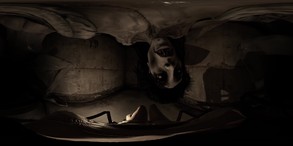
DreadEye is a virtual reality experience that allows you to become an Indonesian shaman. Immerse yourself in terrifying experiences set in haunted rural Indonesia, and discover the gruesome horrors lurking in the shadows!
Modeled estimate, not a reported figure. How we estimate →
Media

About
Stats
All-time low is the lowest price we've recorded for this game since we started tracking it.
Languages: English**languages with full audio support
Engagement
Hours played at review time, across 40 reviews with recorded playtime.
Reviews
Themes across 40 recent reviews and how positive each mention is. A keyword signal, not full sentiment analysis.
positive critical· bar length = how often the theme comes up
Reviews
Fun little interactive horror game, reminiscent of the early VR tech demos. Neat experience for a few bucks, you can easily finish it under an hour. A lot of players, myself included, had to find workarounds in order to play on modern hardware. Buyer be warned.
+++
拿着马来剑释放阿瓦达索命的我就是无敌的!
VR deneyimi için fena değil fiyatı uygun alınabilir
it crash everytime when i start the game
Vr başlığınız varsa kesinlikle deneyimlemeniz gereken bir aktivite.
Классная игрушечка, потеря пальцы в игре а еще влюбился в медсестру рекомендую на вечер любому геймерую
DreadEye VR delivers a horror experience that feels far more unsettling than many modern virtual reality games because it builds its fear around ritualistic tension, folklore, and psychological discomfort instead of relying purely on constant jump scares. Inspired heavily by Indonesian supernatural mythology, the game places players in the role of a shaman performing forbidden rituals and communicating with dangerous spirits inside a dark and oppressive environment. This unusual premise immediately separates it from the countless haunted house simulators and survival horror shooters available in VR. Rather than focusing on combat or escape mechanics, the experience revolves around preparing ceremonies, summoning entities, and surviving encounters with terrifying supernatural forces. One of the game’s biggest strengths is how effectively it uses virtual reality to make every action feel personal and uncomfortable. Players physically interact with ritual objects, prepare strange ingredients, light candles, read occult instructions, and manipulate ceremonial tools through motion controls. These mechanics may sound simple on paper, but VR transforms them into immersive activities filled with tension. The act of carefully performing a ritual while strange sounds echo through the darkness becomes genuinely nerve-wracking because players are not merely watching events unfold on a screen. Instead, they are actively participating in the process that unleashes supernatural horrors into the room around them. The atmosphere is easily the most memorable aspect of DreadEye VR. The environments are small in scale but incredibly effective at creating fear through sound and lighting. Dimly lit interiors, flickering candles, distorted whispers, and distant noises constantly create the feeling that something unnatural is nearby. The game rarely overwhelms players with nonstop action. Instead, it allows fear to build slowly through silence and anticipation. Moments where players must stand still waiting for a ritual to complete or search dark corners with limited visibility become extremely tense because virtual reality amplifies every sound and movement. Even when nothing immediately threatening is happening, the atmosphere keeps players uneasy. Another major highlight is the game’s use of Indonesian folklore and supernatural creatures. Many horror games rely on familiar Western ghosts, demons, or zombies, but DreadEye VR explores myths and legends rarely represented in mainstream gaming. The creatures and spiritual entities encountered throughout the experience feel unfamiliar and unpredictable, especially for players who are not already familiar with Southeast Asian horror traditions. This cultural identity gives the game a unique personality that makes it stand out within the VR horror genre. The developers clearly wanted to create something rooted in local mythology rather than copying conventional horror formulas, and that decision gives the game far more originality than many similar titles. The pacing is intentionally slow and methodical, which works well for the game’s overall tone. Ritual preparation takes time, and players are expected to pay close attention to instructions and environmental clues. This slower approach allows tension to build naturally before the horror escalates into terrifying encounters. Players who enjoy psychological horror and atmospheric storytelling will likely appreciate this deliberate pacing because it makes the frightening moments more impactful. However, those expecting fast-moving action or constant scares may find certain sequences repetitive or too drawn out. Visually, the game succeeds through environmental design rather than graphical realism. The dark interiors, ritual spaces, and supernatural effects create a convincing sense of dread even if the visuals themselves are not technically groundbreaking. Lighting plays an especially important role in maintaining immersion. Shadows conceal threats effectively, and limited visibility forces players to remain cautious while exploring their surroundings. The environments feel oppressive and claustrophobic, which suits the game’s horror themes perfectly. The sound design deserves special recognition because it carries much of the game’s fear factor. Strange whispers, creaking objects, distant cries, and sudden supernatural noises constantly keep players on edge. VR horror depends heavily on audio immersion, and DreadEye VR uses it effectively to create paranoia and uncertainty. There are moments where players may hesitate to continue a ritual simply because the surrounding sounds create the impression that something dangerous is approaching. This psychological tension often becomes more effective than the actual jump scares themselves. While the game excels in atmosphere, some gameplay mechanics eventually reveal their limitations. Interactions can occasionally feel awkward, and certain rituals follow similar patterns that reduce the sense of unpredictability over time. Once players become familiar with the structure of the gameplay loop, parts of the experience may lose some of their initial impact. There are also occasional technical rough edges in animations and object handling that remind players this is a smaller-scale VR production rather than a major blockbuster release. The game’s connection to the DreadOut universe also adds depth for fans familiar with the franchise. Instead of focusing on direct survival horror gameplay, DreadEye VR expands the supernatural world through ritualistic horror and spiritual encounters. This different perspective helps the game feel fresh while still maintaining the disturbing atmosphere associated with the series. Even players unfamiliar with DreadOut can enjoy the experience, though longtime fans will likely appreciate the additional lore and references. What truly makes DreadEye VR memorable is how committed it feels to its cultural horror identity. The game does not simply imitate Western horror trends with a different visual style. Instead, it embraces Indonesian folklore, rituals, and supernatural beliefs in a way that feels authentic and immersive. That cultural foundation gives the horror a sense of unpredictability because players are encountering myths and spiritual concepts that feel less familiar than standard horror archetypes. DreadEye VR is not a perfect horror game, but it succeeds in delivering a genuinely creepy and immersive virtual reality experience. Its combination of ritual-based gameplay, oppressive atmosphere, strong sound design, and folklore-inspired horror creates something far more distinctive than many other VR titles in the genre. While the slower pacing and repetitive mechanics may not appeal to everyone, horror fans looking for a unique and psychologically intense VR experience will find plenty to admire. The game proves that atmosphere and cultural identity can often create stronger fear than endless jump scares or action-heavy gameplay. Rating: 7/10
ok I really liked the game and I wanted to play it even more because I felt it was very short, less than two hours or 1 hour if you're quick, my favorite part was the one with the nurse, I hope they release a second part but I doubt it, It has jump scares but nothing that is going to give you a heart attack so it is good for those who are just starting out in the world of horror. 100% recommended, but be careful only buy on sale because the price is not worth it because it is not very long although it is quite fun and I am not a horror fan.
It's all right. You conduct rituals and summon ghost. There is even some shooting. No movement. Pretty much a stationary experience where you are transported to different set pieces after doing enough rituals. There is a hint of a story. More of a VR experience than a game. Took an hour to finish. Got it during the summer sale for a dollar something so I can't really complain.
Related
Related
Trends
Modeled estimate over time, reconstructed from Steam's monthly review histogram.
Momentum
Pace estimated from the game's recent review growth (our daily snapshots) at its own sales-per-review ratio — a momentum signal, not booked sales.
Audience
Estimated from the language of this game's reviews — a proxy for where players are, not official Steam demographics.
Related
| A Corgi's Cozy Hike | $29.3K | 77 | 100% | $19.99 |
| Gems of the Aztecs | $29.3K | 103 | 79% | $14.99 |
| Bejeweled Deluxe | $29.2K | 329 | 88% | $4.99 |
| Space Sprouts | $29.2K | 70 | 97% | $5.49 |
| SAVAGE: The Shard of Gosen | $29.3K | 79 | 78% | $17.99 |
| Seduction of Beauty | $29.3K | 106 | 58% | $7.99 |