Death or Glory
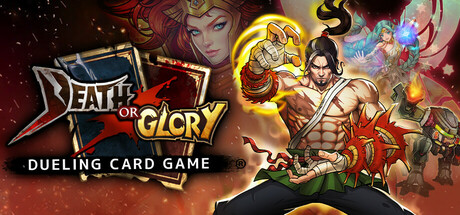
Death or Glory: the ultimate duelling card game! Explore exciting realms that are the proving grounds for heavenly warriors, mighty beasts, powerful mechs, and more. Build your champion deck in a roguelike adventure mode and score ranks in intense battles against fellow champions!
Estimated lifetime revenue
Free-to-play
Revenue comes from in-game items and microtransactions, which our price-based model doesn't estimate. The player count below is how many people own it, not what they spent.
Est. players
3.2K
people who own it
Reviews
102
Review score
70%
7.0/10
Concurrent players
0
read Sep 17, 2026, 15:00 UTC
Followers
About
About the game
It’s time to enter the arena. Are you ready?
Death or Glory the dueling card game takes you to a thrilling world where anyone has the chance to cut through the chaos and become a champion. Assassins stalk giants from the shadows. Warriors smash their fists to shatter the visor of a mech. Werewolves gouge their claws into the flesh of gods. Only champions who master their decks will leave the arena alive...
Step into the soul of one of 11 characters, each falling under one of five core classes. Each class comes with its own resource mechanic and each character comes with a customizable deck - allowing you full control over your champion's moveset. Mastering your class and champion is the key to winning each duel.
Every card is an action; every action can have a reaction. Thrilling combo-centric gameplay lets you deal devastating bursts of damage or catch your opponent out and counter to gain control of the match.
The lands of Death or Glory punish mediocrity mercilessly. Sow devastation across roguelike missions that can earn you powerful cards, in-game currency, and
champion XP.
The bravest fighters will enter the PvP dueling mode in an attempt to climb the ladder and earn seasonal rewards. Only the best will make it to the top!
- Five Classes with Five Unique Resource Systems - No two classes play alike. Are you going to learn to master all of the classes? Or will you find your main?
- Dynamic Turn Control - Both players share a turn but, as soon as you counter your opponent's card, you seize the initiative and gain control of the battle
- Grow with the game - The single player roguelike campaign rewards its explorers with in-game currency, champion XP and new cards to wield
-Highly competitive multiplayer- Challenge your friends in Dueling mode, climb the ladder for seasonal rewards, and see your name written in the stars
- Endless replayability- The arena can change on a whim, with environmental modifiers encouraging you to think outside of the box
-Fair monetisation- Death or Glory is free to play forever and all characters are unlockable by earning in-game currency with no paywall
Death or Glory the dueling card game takes you to a thrilling world where anyone has the chance to cut through the chaos and become a champion. Assassins stalk giants from the shadows. Warriors smash their fists to shatter the visor of a mech. Werewolves gouge their claws into the flesh of gods. Only champions who master their decks will leave the arena alive...
Step into the soul of one of 11 characters, each falling under one of five core classes. Each class comes with its own resource mechanic and each character comes with a customizable deck - allowing you full control over your champion's moveset. Mastering your class and champion is the key to winning each duel.
Every card is an action; every action can have a reaction. Thrilling combo-centric gameplay lets you deal devastating bursts of damage or catch your opponent out and counter to gain control of the match.
The lands of Death or Glory punish mediocrity mercilessly. Sow devastation across roguelike missions that can earn you powerful cards, in-game currency, and
champion XP.
The bravest fighters will enter the PvP dueling mode in an attempt to climb the ladder and earn seasonal rewards. Only the best will make it to the top!
Key Features
- Five Classes with Five Unique Resource Systems - No two classes play alike. Are you going to learn to master all of the classes? Or will you find your main?
- Dynamic Turn Control - Both players share a turn but, as soon as you counter your opponent's card, you seize the initiative and gain control of the battle
- Grow with the game - The single player roguelike campaign rewards its explorers with in-game currency, champion XP and new cards to wield
-Highly competitive multiplayer- Challenge your friends in Dueling mode, climb the ladder for seasonal rewards, and see your name written in the stars
- Endless replayability- The arena can change on a whim, with environmental modifiers encouraging you to think outside of the box
-Fair monetisation- Death or Glory is free to play forever and all characters are unlockable by earning in-game currency with no paywall