Experience the altered memories of a dying man, reliving his entire life as a little boy while lying on his deathbed. Explore the profound depths of his subconscious as you assist Griffin to shed the remains of his miserable life before his impending demise.
Modeled estimate, not a reported figure. How we estimate →
Media

About


Stats
All-time low is the lowest price we've recorded for this game since we started tracking it.
Languages: English*, Russian, French, Italian, German, Spanish - Spain, Czech, Dutch, Japanese, Korean, Polish, Portuguese - Brazil +6 more
Engagement
Hours played at review time, across 40 reviews with recorded playtime.
Reviews
Themes across 40 recent reviews and how positive each mention is. A keyword signal, not full sentiment analysis.
positive critical· bar length = how often the theme comes up
Reviews
怎么只能玩第一关呀,后面地就老是弹出来。
This game is both beautiful and heart wrenching. Fun and great puzzles and the controls always worked great! Highly recommend for anyone that likes puzzles or platformers!
en princio es aburrido recien al final que se pone mas oscuro se vuelve bueno
部分關卡還蠻有趣的,整體能有75分吧 不過操作角度關係,有時候會有點麻煩 有一小部分謎題讓人搞不清楚是怎麼解的,只能暴力解決 另外一堆地方都在震動有點煩,希望能有關掉選項
хорошая игра
Little Nightmare ne se couche pas encore, mais ce petit jeu vaut le coup d'oeil.
Cheap knock off of little nightmares
https://youtu.be/Xl7AhpKuAp8 Weak level and puzzle design are a major drain on this stylized platformer with limited use space for the bear buddy.
休闲来玩不错,时间也不长。
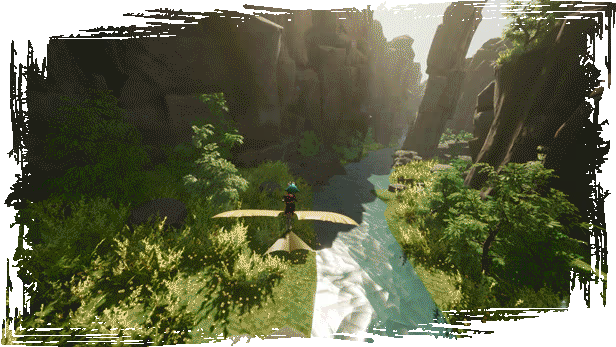
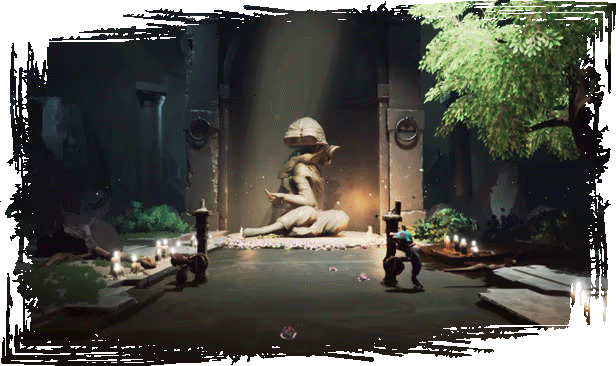
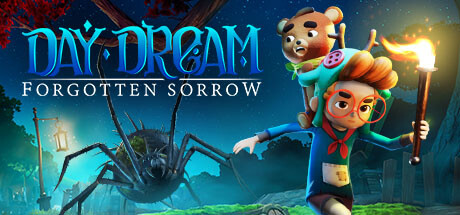
Daydream: Forgotten Sorrow is a cinematic puzzle-platformer developed by Frozen Line and published by Ravenage Games, presenting a dark yet imaginative journey through a surreal dreamscape shaped by memory and emotion. The game fits into the tradition of atmospheric indie adventures that prioritize storytelling through environment and symbolism rather than heavy dialogue or complex combat systems. Much like other narrative-driven platformers, it attempts to combine visual storytelling, puzzle solving, and emotional themes into a cohesive experience. While it may not revolutionize the genre, it strives to deliver a heartfelt and visually distinctive adventure centered on the fragile nature of memory and the fears of childhood. The story follows a young boy named Griffin who finds himself wandering through a mysterious world that feels like a distorted dream. At his side is Birly, his beloved teddy bear, who acts both as a comforting companion and a key gameplay partner throughout the adventure. As Griffin travels through strange landscapes filled with oversized objects, shifting environments, and haunting imagery, the narrative gradually reveals that this world represents the fading memories of an elderly man reflecting on his life. Griffin’s journey through these dreamlike locations symbolically retraces important moments from that life, transforming memories into fantastical environments filled with both wonder and fear. This dream world is presented as a place where childhood imagination and emotional trauma coexist. Environments constantly shift between bright and whimsical scenery and darker, more threatening locations. Towering furniture, twisted machinery, and abstract landscapes create the impression that Griffin is exploring a distorted version of reality through the lens of a child’s mind. At times the world feels playful and curious, while at other moments it becomes unsettling as shadowy creatures or massive skeletal hands emerge to pursue Griffin through collapsing environments. These sequences reinforce the theme that the journey represents not just memories but also fears and regrets tied to the past. Gameplay is built around a mixture of puzzle solving, exploration, and platforming. Players guide Griffin through side-scrolling environments where the objective is usually to reach the next area by overcoming environmental obstacles. These puzzles often require interacting with mechanisms, moving objects, activating switches, or navigating complex terrain. While the controls are relatively simple, the puzzles require players to observe their surroundings carefully and figure out how to manipulate the environment in order to progress. A defining feature of the gameplay is Griffin’s partnership with Birly, the teddy bear. Birly functions as more than just a narrative companion; he is also a tool that helps solve many of the game’s puzzles. Griffin can throw Birly to reach switches, place him on pressure plates, or use him to interact with distant objects that Griffin cannot reach alone. This mechanic adds a cooperative element to the puzzles, as players must think about how both characters can work together to overcome obstacles. Later in the game, additional companions appear, expanding the puzzle possibilities and introducing new interactions that slightly increase the complexity of the challenges. Although the puzzles themselves are generally accessible, the game occasionally breaks up its slower puzzle-focused pacing with more intense sequences. In several moments, Griffin must flee from enormous threats or escape from collapsing environments. These chase scenes introduce urgency and tension, forcing players to react quickly while navigating dangerous terrain. The sudden shift from quiet puzzle solving to fast-paced escape sequences adds variety to the gameplay, though these segments can sometimes feel less polished than the slower exploration portions of the game. Visually, Daydream: Forgotten Sorrow stands out through its imaginative art direction. The environments are colorful and detailed, filled with surreal imagery that reflects the emotional themes of the story. Objects appear exaggerated in scale, giving the impression that Griffin is small within a vast and mysterious world. The use of lighting and environmental effects helps reinforce the dreamlike atmosphere, with soft glows, drifting fog, and shifting shadows creating a constant sense of mystery. Even when the gameplay falters, the visual presentation remains consistently engaging and helps carry the emotional weight of the journey. The audio design also contributes significantly to the overall mood. The soundtrack blends gentle melodies with atmospheric tones that emphasize the reflective and sometimes melancholic nature of the story. Quiet musical pieces accompany moments of exploration, allowing players to absorb the scenery and symbolism of the world around them. During more dramatic sequences, the music becomes more intense, heightening the sense of danger as Griffin attempts to escape pursuing threats. Sound effects such as distant echoes, environmental noises, and subtle character reactions further reinforce the immersive atmosphere. Despite its artistic strengths, the game does have some mechanical shortcomings. Platforming sections occasionally suffer from slightly unresponsive controls, making certain jumps or movements feel less precise than they should be. This issue becomes more noticeable during fast-paced chase sequences where accurate timing is essential. Additionally, the 2.5D perspective can sometimes make it difficult to judge depth and positioning, leading to occasional frustration when interacting with objects or navigating narrow platforms. Another criticism lies in the pacing of the gameplay. While the puzzle mechanics are generally enjoyable, they do not evolve dramatically over the course of the adventure. Many of the challenges rely on similar concepts repeated in different environments, which can make parts of the journey feel somewhat predictable. The narrative also unfolds in a very subtle and symbolic manner, meaning that players who prefer more direct storytelling may find the plot difficult to interpret without piecing together environmental clues. Even with these issues, the emotional themes at the center of the story remain compelling. The relationship between Griffin and Birly serves as a reminder of childhood innocence and the comfort that imagination can provide during difficult moments. As the journey progresses and more details about the elderly man’s life emerge, the adventure begins to feel less like a simple platforming game and more like a symbolic reflection on memory, regret, and the passage of time. Ultimately, Daydream: Forgotten Sorrow is a game that prioritizes atmosphere and emotional storytelling over mechanical complexity. Its surreal environments, imaginative visual design, and symbolic narrative create a unique experience that stands out among other indie puzzle-platformers. While its technical imperfections and occasionally repetitive gameplay prevent it from reaching the heights of the genre’s best titles, it still offers a memorable and heartfelt journey through a world shaped by dreams and forgotten memories. For players who enjoy atmospheric adventures and narrative-driven platformers, the game provides a thoughtful exploration of childhood imagination and the emotional echoes of a lifetime. It may not be flawless, but its creative vision and emotional sincerity make it a worthwhile experience for those willing to immerse themselves in its dreamlike world. Rating: 7/10
Related
Related
Trends
Concurrent players on Steam, sampled daily since tracking started.
Audience
Estimated from the language of this game's reviews — a proxy for where players are, not official Steam demographics.
Related
| The Outbound Ghost | $116.9K | 282 | 69% | $19.99 |
| Cargo Commander | $116.9K | 927 | 82% | $4.99 |
| Indie Pogo | $116.8K | 347 | 84% | $14.99 |
| Hard Truck Apocalypse: Rise Of Clans / Ex Machina: Meridian 113 | $117K | 822 | 73% | $5.99 |
| Dredgers | $117K | 504 | 89% | $11.99 |
| Zup! 4 | $116.8K | 3.1K | 90% | $1.99 |