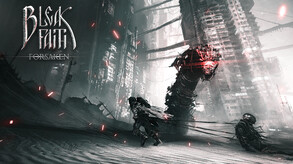
Explore the last remnants of civilization in this vast, unforgiving, and interconnected world. Learn what is left of its history. Discover pockets of natural life in the perpetually expanding Omnistructure. Lose yourself in a journey unlike any other. Find your purpose in the world.
Modeled estimate, not a reported figure. How we estimate →
Prices
Each in the currency that store quoted — not converted: the gap between two rows is the publisher's pricing, not an exchange rate.
Discounts
Every price cut of more than 20% we have observed, in each market that quoted one, with this game's chart position on either side of it. These are episodes, not a model: a sale is one event, and one event cannot tell you what the next one will do.
Reviews, worldwide (the counter carries no country): 0.86/day in the week to Aug 9 → 2.86/day in the week after.
For scale, across Steam · Top Sellers · Brazil over the last 30 days: the 26 chart moves that followed a price cut of more than 20% went a median of 7 places towards #1, and the 2,400 moves with no price cut behind them went 2 away. One store, one chart, one country — it is the only place we have enough observations to say even that.
Prices outside the United States have been collected since 6 August 2026 and chart positions since 19 July 2026, so a cut older than that has no market to compare and a market that joined later has no history yet. Nothing here is converted between currencies.
About


Genres
Sums Steam only; PlayStation, GOG publish no volume signal, so the true total is higher by an unknown amount.
| Store | Price | Audience | Score | Chart | Est. revenue |
|---|---|---|---|---|---|
SteamYou are here | $29.99 | 2.8Kreviews | 75% | — | $2.2M |
| $13.99−60% | 1.3Kratings | 81% | — | not modelled | |
Updates
Build ids and update times come straight from Steam's PICS — the same source SteamDB reads. Patch history grows as we record new builds.
Engagement
Reviews
Themes across 103 recent reviews and how positive each mention is. A keyword signal, not full sentiment analysis.
Reviews
Stay away, just a buggy mess now, getting stuck in enviroment, janky, buggy and has not been supported by devs in over a year. refunded
It has its Faults but keep in mind for a game made by 3 people and its their first game its seriously impressive, give it a go
Bleak Faith: Forsaken is an ambitious action RPG that builds its identity around isolation, difficult combat, unrestricted exploration, and an unusually oppressive science-fantasy world. Developed and published by Archangel Studios, the game takes place within the Omnistructure, an enormous interconnected environment containing the deteriorating remains of civilization alongside strange pockets of surviving life. Rather than relying on a traditional fantasy kingdom or familiar post-apocalyptic setting, it creates a place that feels ancient, artificial, and almost incomprehensible in scale. The result is a world where discovering what lies beyond the next corridor or towering structure is often as important as defeating the creatures inhabiting it. Exploration is arguably the strongest aspect of the experience. The Omnistructure is deliberately designed without making every route obvious or convenient. Players are expected to run, climb, leap, investigate alternative paths, and occasionally become lost while learning how different regions connect. This creates a genuine sense of discovery because progression is not simply a matter of following markers from one objective to another. Enormous structures, dark interiors, abandoned settlements, industrial spaces, and unexpected signs of natural life give individual areas a distinctive atmosphere. The sheer scale frequently makes the player feel insignificant, reinforcing the game's bleak tone and the impression that this world existed for purposes far beyond the protagonist's understanding. That approach also means Bleak Faith: Forsaken demands patience. Navigation can become confusing, and players who prefer clearly directed progression may find some areas unnecessarily difficult to understand. Yet uncertainty is fundamental to the intended experience. The game wants exploration to feel dangerous rather than comfortable. Finding a new location can therefore provide satisfaction precisely because reaching it required observation and experimentation. Environmental storytelling complements this structure by encouraging players to piece together what happened to civilization instead of delivering every answer through lengthy exposition. Combat adopts a similarly demanding philosophy. Positioning, timing, and resource management are central considerations, making reckless aggression dangerous. Enemies encourage players to study attack patterns and determine when it is safe to commit to an offensive action. There is an unmistakable Souls-like foundation to the combat, but the unusual environments and progression systems prevent the game from feeling completely defined by its influences. When everything works properly, encounters produce considerable tension because mistakes can rapidly turn an apparently manageable fight into a desperate struggle. The combat system does have roughness that occasionally works against the intended challenge. Movement, animations, hit interactions, and general responsiveness do not always possess the precision expected from the most polished games in this genre. Since timing matters so much, imperfections become particularly noticeable during difficult encounters. Nevertheless, learning how the mechanics behave gradually makes combat more rewarding, especially once a character build begins supporting a preferred fighting style. Boss encounters are among the game's most dramatic moments. These battles increase the danger considerably and are accompanied by distinctive music intended to make them feel like major events within the journey. The best bosses successfully combine spectacle with mechanical pressure, forcing players to apply lessons learned from ordinary encounters while adapting to more threatening attack patterns. Their imposing designs also suit the Omnistructure particularly well, making them appear like natural inhabitants or guardians of this bizarre environment rather than enemies placed into disconnected arenas. Character progression provides additional flexibility through classes and different approaches to building a character. Importantly, not every progression decision can simply be reversed, giving choices greater permanence. This encourages players to consider how they want their character to develop rather than casually investing in every available option. Such commitment fits the game's overall philosophy because Bleak Faith: Forsaken rarely attempts to remove consequences from the player's decisions. Exploration can lead into danger, combat punishes careless behavior, and character development rewards deliberate planning. The visual direction deserves substantial credit for establishing the game's personality. Bleak Faith: Forsaken combines dark fantasy, industrial imagery, science fiction, horror, ruined architecture, and surreal environmental design without allowing any single influence to completely dominate. Huge structures stretching into darkness create impressive scenes, while smaller details suggest that civilizations once attempted to survive within these impossible surroundings. The contrast between artificial megastructures and scattered natural life is particularly effective, giving exploration an eerie beauty despite the consistently grim presentation. Audio strengthens this atmosphere. Quieter stretches allow environmental sounds to emphasize loneliness, while combat and boss music introduce intensity when required. This contrast prevents the journey from becoming uniformly loud or dramatic. Instead, long periods of tension and contemplation can suddenly give way to violent confrontations, helping the game maintain its unsettling rhythm. As a complete experience, Bleak Faith: Forsaken is easier to appreciate for its ambition and identity than for flawless execution. Archangel Studios attempts something unusually large and strange, creating an interconnected world that encourages players to explore without constantly telling them where to go. Its demanding combat, consequential progression, enormous environments, memorable bosses, and fragmented approach to storytelling work together to create an adventure that feels genuinely hostile and mysterious. The tradeoff is that mechanical roughness and confusing navigation can sometimes produce frustration for reasons beyond intentional difficulty. Players who enjoy challenging action RPGs, environmental storytelling, mysterious lore, bleak science-fantasy imagery, and exploration with minimal guidance are likely to find considerable value here. Those expecting exceptionally refined combat or constant direction may have a harder time overlooking its imperfections. Bleak Faith: Forsaken is ultimately a fascinating example of ambition outweighing polish. It may stumble mechanically, but its enormous Omnistructure and uncompromising atmosphere give it a character that is difficult to mistake for anything else. Rating: 8/10
Media

Related
Related
Price dynamics, follower growth, revenue and sales trajectories with interactive tooltips
This and every other Pro feature is free until October 20, 2026. A free account is all it takes.
Every market we collect.
Stats
All-time low is the lowest price we've recorded for this game since we started tracking it.
Languages: English**languages with full audio support
| $14.99−50% |
| 40ratings |
| 86% |
| — |
| not modelled |
Matched by title — a reused name can pair the wrong games. * is a critic aggregate. Prices and positions are each store's United States storefront; Epic charts worldwide. Audience and Score too, except Steam's, which is worldwide.
Hours played at review time, across 103 reviews with recorded playtime.
positive critical· bar length = how often the theme comes up
先说两个结论:①这是我个人心目中的T1级别的古早体感类魂佳作;②但不推荐大部分玩家尝试。 这个游戏个人认为只适合3类玩家: A.弐瓶勉铁粉 B.魂一无缝地图设计的铁粉+魂一氛围感爱好者(且对365里路习以为常) C.耐心极好的仓鼠舔图党玩家(且不适合练级党,每周目等级上限卡太低) ①美术设计的得与失:游戏美术设计无可指摘,其巨构的设计理念,很好的展现了一种繁荣的腐烂感,以及巨大的空灵与孤寂感,天空城的壮观,水都潜水的窒息,朱红原野的壮美,每一处场景都可以成为美美的截图壁纸,对于弐瓶勉粉而言,这是一次很好的能在游戏中体验到漫画场景的机会。但漫画里雾亥是通过分镜进入不同场景的,而玩家得靠脚来跑,这就导致了:魂一里混沌温床那种出圈程度的365里路,在这游戏里只能坐小孩那一桌。游戏里需要玩家跑个几十秒甚至一两分钟却不见任何人影的场景比比皆是,超长爬梯爬个20-30秒的更是屡见不鲜。法环有托雷特,剑星非敌人区域有二段加速跑,而我们的哑巴主角只有可怜的移速+5%披肩/敏捷>15/冲刺技能等屈指可数的加速手段,身处仿真实大小的巨型构筑物地图里,这点移动性能实在不够看。在新鲜感尚在的初期,跑图看风景还可以是一种乐趣,而中后期开始,长时间在类似风格的空旷地里跑图,就逐渐成为一种负担甚至是痛苦。游戏很多地方甚至明确呈现出设计组的一种:为了艺术表达,我们可以不在乎游戏性的偏执欲(比如异常点的跑酷阶段)!可说是成也美术败也美术。 ②奖励设计的缺陷:主角有膝盖,这就导致能去的区域范围扩大了非常多,而设计组也热衷于将巨构场景的边边角角都建模出来,然后.......然后就放置不管了。我不止一次通过自己的摸索到达了一个很远的隐藏边角区域,满心期待就算找不出一把“艾珀莉亚”,起码给我一个升级碎片也行,再不济一个恢复液也算。结果呢?大部分时间里什么都没有,什·么·都·没·有!设计组留给我的只是一片美丽的巨构景色(甚至是无保护的贴图BUG把我挤出地图外)。一个强调探索的游戏,也鼓励玩家到处跳跃去寻找隐藏的区域,但屡屡不能给玩家相应的探索正反馈,这一点可以说相当的失败。以至于中后期哪怕我看到了某些区域探索的可能性,也提不起勇气去探索,等待我的大概率是虚无甚至没有回头路的断崖。而搜集物中,一个笔记负责补完世界观(扫描功能唯一有用的地方),一个后期风格处理(只影响游戏画面呈现风格)占据了相当一部分比重,但均无成就也几乎不影响游戏体验,导致获得搜集品的正反馈也注水严重。 ③关卡设计的不足:准确来说,雨区,避难所(海都)等偏室内的地图,箱庭设计都很不错,路线引导与高低差设计也尚可。但一到大场景:修道院,上城区,天空城,沙漠及朱红原野(外环区)里,关卡设计与奖励设计偏弱的缺点就开始频频展现,光一个大赐福(Blok 6174)我就在里面兜兜转转跑了小10个小时才彻底摸清楚这里的结构和各种细节,但诸如此类的宏大场景,却经常性的没有能与之相匹配的敌人组合与关卡设计,实属遗憾。同时,由于临时篝火的存在,导致设计组能肆无忌惮的减少篝火数量(大多数场景中仅有一个篝火)。玩家一旦忘记在某些节点放置临时篝火又寄掉,那等待玩家的,就将是一段远超混沌温床365里路等级的超长回溯跑图流程。 ④打击感与技能BD的不足:最开始也说了,这游戏属于“古早体感“类魂,所以不要指望他能给你多好的打击体验(打死敌人但对面血条清零偶有延迟算是元凶之一)。同时怪物与周围场景物体的诡异碰撞体积,也导致怪物偶有飞玩家头顶行走谁也打不中谁的情况出现。战斗系统方面,BD种类算是丰富,特性能洗点(虽然价格不算低),配合一些天赋能玩出一些很有趣的打法,或哪怕只单用疾冲+击地眩晕等特性来推图也是十分好用,可以说系统完成度是不错的。但是一周目天赋不能洗点的设计实在太SH*T了!点错一个天赋,发现不好用后想换都没法换,甚至如果不做功课,随机乱点出FW天赋组合更是大概率的事情。而一些强力构筑如“守护者”+“连击暴行”+“碎心者”这样的暴力清空BOSS血条的流派,也需要高周目的支持才能实现。完全不能理解制作组为什么一周目不开放天赋洗点。 ⑤全成就党的无奈:游戏BOSS大部分不难,只要你不追求全成就。<1%熵值通关是玩家必须一开始就知道并且碰到红战士开始习惯性备份存档,不然就得重开一周目(其他地方都还好防,机械城森林那个红弓箭手搭配陨石黑骑士和斧头高手组合是真的离谱)。而BOSS成就中:一周目的叛徒康拉德,瘟疫灾星,BD未成型前的异变骑士,不逃课打沙虫均是十分考验玩家耐心,甚至十分痛苦的一件事。就那种,明明BOSS并不难,出招逻辑也很好理解,但一周目为了全成就,经常就得被迫耐着性子的和对面慢慢磨的被动感! 最后一句话总结:一开始我惊喜的以为是在玩魂一,最后才发现我是在玩《黄金树幽影·指头遗迹大合集》。
За косарик игра шикарная. Визуальный стиль, левел-дизайн, катсцены - моё почтение. Единственное, что картину смазывает - это боссы, и частью сражения со статистами. Сложно может быть только по двум причинам: у персонажа очень плохо регенится стамина, и если босс ваншотит. Это прямо сказать не очень хороший гейм-дизайн. Но если верить титрам, игру делало 3 человека. Для такой огромной и визуально впечатляющей игры это поразительно. Я простил ей не самую лучшую боёвку, потому что исследование огромного, местами очень красивого, мира под классный эмбиент было интересным.
Поскольку я рекомендую, начнём с минусов, чтобы закончить на хорошей ноте. Первый и основной минус игры. Гигантомания, говоря простым языком далеко бежать, чтобы исследовать и не факт что там что то будет. Первая локация игры и знакомство с ней - пожалуй худшая в игре. Мне буквально хотелось бросить её. К плюсам. Яркий пример того, что разработчикам не хватило опыта, а не таланта - Боссы. Они прекрасны, я вообще редко хвалю соулзлайки за боссов, но тут просто пушка. Каждый был уникальный, и каждый мне понравился(кроме секретного, который на кладбище) Музыка - Мало но хорошая. Атмосфера - Просто отрыв башни, очень депрессивно, но разнообразно и интересно. Завораживающе. Боёвка - Медленная, вроде Dark Souls |, но с крутым билдостроением и перками.(Пробовал два билда) Сюжет - Средне... на него упор, явно не делался. Получил секретную концовку с первого раза, второй раз что то багануло, переигрывать уже не стал.(Да, чтобы получить "хорошую" концовку у вас одна попытка на прохождение) Один раз пройти можно, она хороша. Второй раз уже легко и не особо интересно. P.S. Прекрасная отсылка от Рыцаря Черепа к стихотворению американского поэта Стивена Крейна - В пустыне. В пустыне Я встретил человека - нагого, дикого; Сидя на корточках, Он держал в руках свое сердце И грыз его. Я спросил: - Вкусное ли оно, друг? - Оно горькое, горькое. - ответил человек, Но мне нравится его грызть, Потому что оно горькое И потому что это мое сердце.
Very empty and boring world. Feels unpolished and the Bossfights i got to were not that great. Maybe it gets better, but I am not convinced
10/10 experience with a story I couldn't possibly explain lmao
I really hated this game. As a souls-like genre fanatic, this is by far my least favourite. My first couple hours was nothing but janky movement, getting stuck on grains of dust on the floor, getting stuck inside enemies and being hit from attacks that were completely away from me. It was so bad I uninstalled then gave it another chance the day after and had the same experience. If I could, I wouldve refunded it by now. There was nothing to get excited by, the bosses I did fight were bland and easy, the levelling system was boring and the entire game just seems like a massive maze where you are walking round in circles just trying to find the next area of the unfitting level design. My only positive is some of the weapons were cool to use, I personally enjoyed the twinblade and Kanas (I think they were called) before using a standard longsword mainly, and I thought the parry system was cool too. I really tried to give it a chance but I just found it so poorly designed that I complained about getting stuck on things in this game more than anything ive done in my life. Maybe one day I will return but I dont believe it will be any time soon.
En gros : l'atmosphère - construite par les environnements, la musique, la direction artistique ainsi que les bribes de lore - est le point fort du jeu. Pour ce qui est du reste, et en particulier le level design ou les combats, c'est plutôt raté en revanche. Le jeu est vendu comme un monde interconnecté. Il ne l'est pas vraiment. Que très partiellement et artificiellement. Pour vous donner un exemple de la raison pour laquelle je qualifie l'interconnectivité d'artificielle : quand, après avoir traversé 5 ou 6 niveaux différents, on arrive au bout d'un "chemin " et que la récompense c'est un retour à la seconde zone du jeu, OK ? Mais quel intérêt puisqu'on peut se TP à volonté dans chaque zone ? Le chemin aurait pu se finir par un cul de sac ça n'aurait absolument rien changé. La grande majorité des niveaux sont en fait juste reliés au niveau duquel on vient et à celui vers lequel on va, avec parfois un embranchement vers un autre niveau quelque part. La seule exception notable est le la deuxième zone du jeu (où l'on rencontre le pnj qui permet d'upgrade l'équipement) qui est ultra dense, labyrinthique et ouvre sur plusieurs autres zones (bon 3 en fait, y a que 3 chemins différents). Bref le world design de Bleak Faith Forsaken est comparable à celui de DS2 : plusieurs chemins se terminant par des cul de sac qui partent d'un hub central. Niveau interconnectivité on est donc assez loin des toiles d'araignées de DS1 ou de Hellpoint. [i]Hardcore Combat Experience Combat is dangerous and will push you to your limits. Positioning, timing, and resource-management are all things you must keep in mind at all times. Expect to be challenged. [/i] Tout ceci est faux. Pour donner un exemple, contre quasiment tous les ennemis de grande taille non-boss, il suffit de rester collé à leur jambe et de bourrer. C'est une caricature de combat de soulslike. Malgré de bonnes idées, avec notamment des compétences passives et actives à débloquer au fur et à mesure de la progression, ou même des compétences propres à chaque armes ; le coeur du système de combat manque de complexité (et de juice). C'est OK d'avoir un système de combat lent, mais là c'est juste simpliste et rarement stimulant. Les ennemis sont peu variés, les rencontres (la manière dont on est mis face aux ennemis) également. Et ça m'amène à parler plus spécifiquement du level design : si les rencontres ne sont pas variées c'est aussi que le level design des zones n'est lui-même pas assez varié à quelques exceptions près (comme le hub/la deuxième zone). On alterne entre des zones couloirs où les ennemis et les rencontres s'enchaînent de manière monotones ; et les zones relativement ouvertes, souvent assez vides et ennuyantes à parcourir. Dans tous les cas l'exploration des niveaux est peu palpitante, et on est rarement récompensé de manière suffisante pour avoir fouillé dans les recoins. Les boss sont pour la plupart assez oubliables, même sur leur aspect esthétique ou musicale, c'est l'un des points faibles du jeu. D'une manière générale on sent que le jeu manque du polish d'une production plus importante. Pour donner un exemple : le soud design laisse à désirer. Parfois le protag ou les ennemis ont des bruits de pas, parfois non ; et quand on a des bruitages c'est loin d'être merveilleux. J'aurais aussi pu parler du fait qu'il y a un système d'xp classique où notre niveau augmente en fonction des ennemis tués et que l'on ne perd rien à notre mort. Ce choix est logique : les checkpoints/points de TP sont parfois assez distants les uns des autres, en particulier au début du jeu ; ça aurait été peut-être trop punitif et pénible de garder le système classique des soulslike si c'est pour faire encore plus de trajets longs et ennuyeux que ce qu'on doit déjà faire de base. Mais pour moi ça traduit aussi le fait que le jeu n'a pas vraiment la philosophie d'un soulslike traditionnel et se rapproche plus d'un walking simulator en réalité ; avec certes quelques ennemis de temps en temps, mais où le principal intérêt est de profiter des paysages et de l'atmosphère. Bref, par moment, l'ambiance arrivait justement à me prendre, et c'est plutôt cool : il y a vraiment des panoramas assez vertigineux qui marquent la rétine. Mais à côté de ça, la majorité du temps, le jeu est assez poussif et c'est difficile de rester impliqué et de profiter des qualités esthétiques du titre sans décrocher. Evidemment pour un jeu fait par trois dèvs, ça reste très impressionnant et je ne dirais pas non plus que c'est un purge ; c'est juste un soulslike assez en deçà de ce que j'attends sur de nombreux aspects. Je ne recommande pas, sauf si l'esthétique/l'ambiance de Bleak Faith Forsaken vous attire particulièrement et que vous êtes indulgeant envers les points noirs soulevés précédemment.
Selling now
See how fast this game is selling right now — estimated copies and revenue per day from recent review growth.
Players by region
Where this game's players are, estimated from review languages.
Players also reviewed
The games this title's players most often review too — audience affinity.
Related
| Game | Estimated lifetime revenue | Reviews | Review score | Price |
|---|---|---|---|---|
| $6.3K | 17 | 94% | $16.99 | |
| $5.3K | 14 | 64% | $13.99 | |
| — | 0 | — | — | |
| $2.5M | 3.3K | 67% | $39.99 | |
| $294.6K | 676 | 91% | $19.99 | |
| $86.4K | 293 | 80% | $10.06 |
Related
| Game | Estimated lifetime revenue | Reviews | Review score | Price |
|---|---|---|---|---|
| $2.2M | 12.7K | 98% | $8.99 | |
| $2.2M | 4.1K | 93% | $14.99 | |
| $2.2M | 8.2K | 96% | $9.99 | |
| $2.2M | 3.3K | 66% | $21.24 | |
| $2.2M | 5.5K | 74% | $9.99 | |
| $2.2M | 10.5K | 90% | $11.99 |