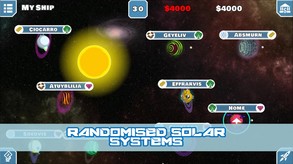
Astro Emporia is a CASUAL turn based randomised trading game where your objective is to make as much money in a limited amount of turns.
Modeled estimate, not a reported figure. How we estimate →
Media

About
Genres
Stats
All-time low is the lowest price we've recorded for this game since we started tracking it.
Languages: English
Engagement
Reviews
Themes across 40 recent reviews and how positive each mention is. A keyword signal, not full sentiment analysis.
Reviews
I guess there are loan sharks in space. Your interest on the money you own is so high that unless you get extremely lucky with your trading within the first couple of turns, you will probably lose.
Astro Emporia is a compact science-fiction trading simulator developed and published by Squirrelbot Games that focuses entirely on market strategy, resource management, and profit optimization within a streamlined space-trading framework. Instead of aiming for massive exploration systems or action-heavy gameplay, the game strips the genre down to its economic core, placing players in command of a small trading vessel tasked with traveling between planets to buy low, sell high, and maximize profits before time runs out. The result is a minimalist but surprisingly engaging experience that succeeds through simplicity rather than scale. The gameplay loop revolves around navigating a galaxy of planets with constantly shifting economies. Each location offers different commodities at fluctuating prices, encouraging players to search for profitable trade routes while managing limited turns and resources. Every decision carries weight because inefficient travel or poor investments can quickly destroy a promising run. This creates a satisfying sense of tension despite the game’s relatively simple structure. Players are constantly calculating risks, comparing prices, and deciding whether to gamble on uncertain market conditions or play more conservatively to secure smaller profits. One of the game’s biggest strengths is its accessibility. Many trading simulators overwhelm players with complicated interfaces, political systems, combat mechanics, and extensive micromanagement, but Astro Emporia intentionally avoids that complexity. The menus are straightforward, transactions are quick to execute, and the pacing keeps gameplay moving steadily. This streamlined design makes the game easy to pick up even for players unfamiliar with economic strategy titles. Rather than burying the player under layers of mechanics, the game allows its trading systems to remain the sole focus. The randomized economy helps keep sessions unpredictable. Commodity prices shift constantly between planets, forcing players to adapt rather than relying on a single guaranteed strategy. This randomness gives each playthrough a unique flow, since profitable trade routes can suddenly collapse while previously ignored commodities become valuable. The unpredictability adds excitement because success often depends on reading market trends quickly and reacting before opportunities disappear. At the same time, the randomization can occasionally feel inconsistent, with certain market conditions appearing illogical or overly dependent on luck. While this unpredictability increases replay value, it sometimes weakens the sense of long-term strategic planning. Visually, the game embraces a minimalistic presentation that prioritizes functionality over spectacle. The graphics are simple and lack the visual depth seen in larger space simulators, but the clean interface ensures that trading information remains easy to read and navigate. Planet designs and menus are basic, yet they serve their purpose without becoming distracting. The overall aesthetic feels closer to a lightweight indie strategy title than a cinematic space adventure, which may disappoint players expecting detailed visuals or immersive exploration. However, the simplicity also helps maintain the game’s fast pacing and accessible structure. The soundtrack contributes more atmosphere than the visuals alone might suggest. Relaxed science-fiction music accompanies the trading and navigation systems, creating a calm environment that suits the thoughtful pace of market management. The audio never becomes overly dramatic or intrusive, instead supporting the experience quietly in the background while players focus on planning routes and calculating profits. Sound effects are minimal but effective enough to reinforce transactions and menu interactions. Where Astro Emporia begins to show limitations is in the lack of variety beyond its central trading mechanics. Outside of buying and selling goods, there are few additional systems to deepen the experience. There is no large narrative campaign, extensive exploration content, diplomacy, or dynamic faction interactions. The game remains almost entirely dedicated to economic gameplay from beginning to end. For some players, this focused approach may be refreshing because it avoids unnecessary distractions. Others may feel the experience becomes repetitive after several sessions due to the limited number of activities available. Progression is similarly restrained. Players can improve certain ship functions and gradually become more efficient traders through experience, but there is little in the way of major long-term customization or persistent advancement. Much of the satisfaction comes from mastering the economy itself rather than unlocking large amounts of content. The game rewards careful observation, efficient planning, and risk assessment more than grinding or mechanical complexity. Despite these shortcomings, Astro Emporia possesses a distinct charm because it never pretends to be larger than it actually is. It understands its identity as a small-scale trading simulator and focuses entirely on refining that concept. The straightforward structure allows players to enjoy short but engaging sessions centered around economic experimentation and strategic decision-making. There is something relaxing about its stripped-down design, especially for players who appreciate strategy games that can be enjoyed casually without major time investment. Astro Emporia may not compete with expansive space simulations in terms of depth or presentation, but it succeeds as an accessible and focused trading experience. Its combination of randomized economies, efficient pacing, and simple strategy systems creates a gameplay loop that remains entertaining despite the lack of broader content. Players who enjoy market-driven gameplay and lightweight economic simulations will likely appreciate the game’s straightforward approach, even if its limited scope prevents it from becoming truly exceptional. Rating: 6/10
Related
Related
Trends
Modeled estimate over time, reconstructed from Steam's monthly review histogram.
Hours played at review time, across 40 reviews with recorded playtime.
positive critical· bar length = how often the theme comes up
gezegenler arası ticaret yapıp para kazanma oyunu ama leş im sorry
░░░░░░░░░░░████ ░░░░░░░░░░░█░░█ ░░░░░░░░░░█░░░█ ░░░░░░░░░█░░░░█ ██████▄▄█░░░░░███▄ ▓▓▓▓▓█░░░░░░░░░░░░█ ▓▓▓▓▓█░░░░░░░░░░░░█ ▓▓▓▓▓█░░░░░░░░░░░░█ ▓▓▓▓▓█░░░░░░░░░░░░█ ▓▓▓▓▓█░░░░░░░░░░░░█ ▓▓▓▓▓█░░░░░░░░░░░ ░░░░░░░░░░░░▀▀
нет
asd
It was ok...
Cromos :)
amazing app!
Momentum
Pace estimated from the game's recent review growth (our daily snapshots) at its own sales-per-review ratio — a momentum signal, not booked sales.
Audience
Estimated from the language of this game's reviews — a proxy for where players are, not official Steam demographics.
Related
| Top Hat | $1.4K | 63 | 62% | $0.99 |
| Lost with Dinosaurs | $1.4K | 143 | 41% | $0.49 |
| Mini Gardens - Logic Puzzle | $1.4K | 51 | 94% | $0.99 |
| Mannequin | $1.4K | 69 | 70% | $0.99 |
| FLYVALNY 20!8 | $1.4K | 71 | 79% | $0.99 |
| Reincarnation : Hero of the Gun | $1.4K | 82 | 68% | $0.99 |