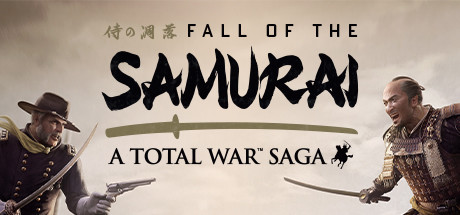
Experience the dramatic conflict of samurai culture and modern weaponry between the Imperial throne and the last Shogunate in 19th century Japan.
Modeled estimate, not a reported figure. How we estimate →
Media

About
Genres
Stats
All-time low is the lowest price we've recorded for this game since we started tracking it.
Languages: Czech, English*, French*, German*, Italian*, Polish, Russian*, Spanish - Spain**languages with full audio support
Engagement
Hours played at review time, across 117 reviews with recorded playtime.
Reviews
Themes across 117 recent reviews and how positive each mention is. A keyword signal, not full sentiment analysis.
positive critical· bar length = how often the theme comes up
Reviews
A great expansion to the base Shogun Total War 2 game that portrays the Bakumatsu period where modern weapons are introduced into a closed off Japan and the country split between those that supports the Shogun and those that supports the Emperor. The unique period that it portrays allows for gun lines and yari samurais to crash in crazy battles. Where politics are navigated with your allied AIs rather than be surrounded on all sides like the other games. Unless you create a republic, then you get stomp from all sides. Great game. Great for people who are curious about this era in history as well.
This is my favorite part of Shogun 2 because I get to use gun units just like in Empire, except that the co-op campaign works fully here in Shogun.
I love total was:Fall of the samurai When i took over all of the Nagasaki province. i thought the game was gonna get easier. But for some reason when i logged out for the night and decided to get a shogun mod. it said i had max file space taken in the files and when i opened up the game again my entire capital of nagasaki (i moved it BTW to nagasaki) and i got obliterated and relentlessly molested by the United State Of America because they actually invented Nukes during the imperial vs shogunate japanese civil war and decided to test it on me!
AI가 왜 발전하면 안되는가 게임 하나로 이해할수 있음
My absolute favorite Total War game. Gunpower, metal, lines of pikes, SAMURAI! It's fricking great.
No idea why this is mixed, but great time period and setting and such a great expansion. They do ♥♥♥♥ on Sakamoto Ryoma though which is harsh, poor dude got assassinated 3 times (3rd was Yakuza Ishin)
one of the best and most fun dlcs to a total war game, this is something i absolutely LOVE and I feel like gunplay is better than both etw and ntw, absolute fav
Probably my favourite expansion to ever grace thine eyes. Shogun introduced me to Total War, but Fall of the Samurai made me fall in love with it. It takes that golden base game and evolves it with a fresh setting, new technology, and deeper tactical layers. Set during the mid 19th century, at the end of Japan’s feudal era, the game captures the turbulent clash between tradition and modernization. The arrival of Western influence forces Japan to adapt and as a player, you must choose your allegiance will you side with the Shogunate to preserve the old ways, or support the Imperial Court in the name of progress? Whichever path you take, your ultimate goal remains the same unite Japan under your rule. On the battlefield, Fall of the Samurai transforms how you think about strategy. Gone are the days of purely sword and spear warfare now your front lines are filled with disciplined riflemen backed by artillery, with katana and yari samurai still ready to charge when things get personal. Cavalry, naval bombardments, and new gunpowder units like Carbine Cavalry add a level of complexity that forces you to rethink your tactics completely. Watching traditional samurai charge through gunfire or seeing artillery explosions rip through enemy lines never loses its cinematic flair. The campaign map remains stunning that painterly, Japanese cartoon aesthetic of Shogun 2 returns, depicting a vibrant and detailed version of 19th century Japan. Unit cards and menus have been given a fresh visual style, and everything from the weather effects to the sound of cannons firing feels more intense and immersive. Beyond combat, Fall of the Samurai adds even more to the strategic layer. You can use agents like Geisha and Foreign Veterans, manage modernization through technology trees, and balance diplomacy with both domestic factions and Western powers. Every decision from which province to industrialize to which clan to ally with carries weight and long-term consequences. By the endgame, Japan is split into two opposing forces the Imperial Vanguard and the Shogunate Loyalists. It all builds toward a climactic civil war where only one can remain. Despite being technically an expansion, Fall of the Samurai stands tall as a full fledged Total War experience. It’s easily one of the best titles in the franchise rich in atmosphere, tactical depth, and historical flavour even if it’s built upon the bones of Shogun 2. A supremely graceful depiction, surprisingly balanced for multiplayer, as well solo, and much more enjoyable naval combat this one is a damn banga !
A Total War Saga: Fall of the Samurai, available on Steam and originally released as a standalone expansion to Total War: Shogun 2, stands out as one of the most unique and compelling entries in the Total War franchise. While technically categorized under the "Saga" banner, which suggests a more focused scope, Fall of the Samurai offers a sweeping and richly detailed campaign set during one of the most transformative periods in Japanese history: the Boshin War of the late 19th century. This was a time when Japan stood at the precipice of modernity, grappling with the collapse of the shogunate, the restoration of imperial power, and the rapid Westernization of military, political, and economic systems. The game masterfully captures this cultural and technological upheaval, offering a deep strategic experience that blends traditional Total War gameplay with the unprecedented complexities of industrial warfare. At its core, Fall of the Samurai retains the classic two-layered Total War formula: a turn-based strategic map where players manage provinces, diplomacy, and armies, and a real-time tactical layer where battles are fought on expansive, detailed battlefields. However, what distinguishes it from its predecessors is the way it integrates modernization into nearly every aspect of gameplay. Players must navigate a constantly shifting balance between traditional samurai values and the demands of modernization, represented by a tech tree that branches between Western and Eastern advancements. Every choice carries weight—not just in terms of military power, but in terms of societal unrest, political allegiance, and cultural identity. This thematic tension gives the campaign a compelling sense of purpose and narrative, even though it remains mechanically grounded in sandbox strategy. The faction diversity in Fall of the Samurai is particularly noteworthy. Players can choose from several clans aligned with either the Tokugawa Shogunate or the Imperial Court, and each offers unique bonuses and challenges. Unlike previous Total War games where faction differences were often superficial, here they feel meaningful—your chosen allegiance not only impacts your access to certain units and techs, but also determines the tone of your campaign. Playing as a conservative shogunate loyalist trying to suppress imperial ambitions feels vastly different than leading a pro-imperial clan aiming to modernize Japan through alliances with Britain or the United States. This ideological split permeates everything from recruitment to diplomacy, and it introduces a layer of identity-based strategy rarely seen in historical games. One of the most revolutionary elements introduced in this title is gunpowder warfare and the inclusion of industrialized military units. The shift from swords and arrows to rifles, Gatling guns, and artillery dramatically changes the tempo and tactics of real-time battles. Unlike the slower, melee-focused engagements of earlier Shogun 2, Fall of the Samurai battles emphasize positioning, cover, and ranged superiority. Line infantry, naval bombardments, and modern cannons dominate the battlefield, requiring players to rethink traditional Total War strategies. The introduction of Western-style fortresses and railroads adds to the complexity, forcing players to contend with infrastructure as both a tool of power and a vulnerability. Yet despite the dominance of gunpowder, traditional samurai units are still available—and deploying them effectively becomes a rewarding challenge of combined-arms tactics. Naval warfare also sees a major overhaul in this entry, incorporating ironclads, steam-powered vessels, and explosive shell weaponry. Naval battles are more intense and tactical than ever before, with the added ability to call in offshore bombardments during land engagements, creating devastating synergies between your fleets and armies. Mastery of the seas is often the key to controlling trade, defending coastal provinces, and launching amphibious invasions, adding a new layer of strategic depth that feels both historically accurate and mechanically satisfying. The visual and audio presentation of Fall of the Samurai is among the strongest in the Total War series. The campaign map beautifully reflects Japan’s varied geography, from snow-capped mountains to rice paddies and bustling port cities. The battles are cinematic, with realistic smoke effects, artillery blasts, and period-appropriate uniforms and architecture. The soundtrack is immersive, blending traditional Japanese music with Western military themes to reflect the cultural crossroads at the heart of the conflict. Voice acting and ambient sound effects further enhance the atmosphere, especially during tense moments in battle or diplomatic negotiations. Diplomacy and internal politics play a more significant role than usual, with foreign powers like Britain, France, and the United States influencing the conflict. These powers can offer military aid, technological advantages, and trade deals, but they also represent a potential loss of autonomy. Players must decide whether to embrace Western influence to gain access to superior firepower or to resist modernization and preserve traditional sovereignty. This dilemma creates some of the game’s most meaningful long-term strategic decisions, especially as the endgame looms and your clan must decide whether to declare total war on the old order or support the emperor in creating a new nation. The campaign is well-paced and tightly designed, with a clear progression from regional squabbles to full-scale civil war. The realm divide, a mechanic borrowed and refined from Shogun 2, returns with devastating consequences. Once a faction becomes too powerful, other clans are forced to choose sides, leading to a final, climactic struggle that almost always results in an epic, multi-front conflict. This late-game phase pushes your economy, diplomacy, and logistics to the limit and ensures that the campaign doesn’t peter out with a whimper. It’s an excellent example of how to inject narrative stakes into a sandbox experience without sacrificing player agency. Despite its strengths, Fall of the Samurai is not without minor flaws. The AI can still occasionally mismanage armies or get stuck during sieges, and while naval warfare is vastly improved, it can sometimes feel sluggish or repetitive in prolonged campaigns. Additionally, for players who preferred the traditional sword-and-bow aesthetic of early Total War games, the emphasis on firearms may feel like a departure. However, these are relatively minor criticisms when weighed against the depth, replayability, and historical richness the game offers. In the grand tapestry of Total War titles, A Total War Saga: Fall of the Samurai stands out as both a bold evolution and a loving tribute to its roots. It captures a fascinating historical period with nuance and respect, offering a gameplay experience that challenges the player not just to win battles, but to navigate the cultural and technological turmoil of a nation in flux. Whether you're a veteran of the franchise or a newcomer intrigued by Japan’s modernization, Fall of the Samurai delivers a gripping, atmospheric, and strategically rewarding campaign that remains one of the crown jewels of the series. Rating: 7/10
Very fun and good! Sure some parts aren’t fully fleshed out, like the base game, but definitely the best total war IMO, even if I enjoy Napoleon total war
Related
Related
Trends
Modeled estimate over time, reconstructed from Steam's monthly review histogram.
Audience
Audience
Games most often reviewed by the same players — an audience-affinity signal from our review sample, not full ownership data.
Estimated from the language of this game's reviews — a proxy for where players are, not official Steam demographics.
Related
| Risen 2: Dark Waters | $1.7M | 6.7K | 80% | $9.99 |
| Kindergarten 2 | $1.7M | 5.7K | 98% | $14.99 |
| MotoGP™20 | $1.7M | 3.2K | 89% | $19.99 |
| The Room Two | $1.7M | 20.8K | 98% | $4.99 |
| Wanderstop | $1.7M | 3.1K | 93% | $14.99 |
| YAPYAP | $1.7M | 9.2K | 84% | $7.49 |