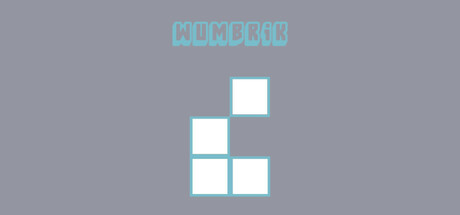
Use the colored blocks to create bigger colored blocks in Wumbrik
Modeled estimate, not a reported figure. How we estimate →
Media

About
Merge the colored blocks to form larger colored combinations as the speed gradually increases, challenging you to maximize your score and set a new high score. Stay strategic and quick to adapt as the pace intensifies
Features:
Match four vibrant blocks in cozy clusters. Easy to learn, satisfying to master, with a quiet challenge that grows as you play
With every speed increase, the blocks accelerate, forge vast unions of color before time outmaneuvers your strategy
Start by blending small blocks, but as momentum surges, craft sprawling mergers to outpace the rising challenge and reign supreme
Simple core mechanic with a colorful/soft palette which has a relaxing tone with underlying challenge
Stats
All-time low is the lowest price we've recorded for this game since we started tracking it.
Languages: English**languages with full audio support
Reviews
Wumbrik is a small-scale puzzle game that embraces simplicity and turns it into something surprisingly engaging. Developed and published by 659 Records (PTY) LTD, the game focuses entirely on merging colored blocks together while managing increasing speed and pressure. At first glance, it may look like a lightweight arcade distraction, but after a few sessions it becomes clear that Wumbrik understands the addictive nature of classic score-based puzzle design. It delivers a clean and focused gameplay loop that is easy to learn, relaxing during its quieter moments, and increasingly tense as the pace accelerates. The gameplay mechanics are intentionally straightforward. Players combine matching colored blocks to create larger formations and earn points while trying to prevent the board from becoming overwhelmed. There are no complicated systems, lengthy tutorials, or unnecessary gimmicks standing in the way of the core experience. Wumbrik immediately places players into the action and allows the challenge to develop naturally through increasing speed and the need for more careful planning. This minimalist approach works well because the game’s appeal comes entirely from its pacing and satisfying gameplay rhythm. What makes Wumbrik enjoyable is the balance it creates between calm strategy and rising tension. Early rounds feel almost meditative thanks to the slower pace, soft visuals, and uncluttered design. Players have time to carefully plan merges and organize the board efficiently without feeling rushed. However, the longer a session continues, the faster the game becomes. What initially feels relaxing slowly transforms into a frantic battle to maintain control as blocks begin appearing more rapidly and mistakes become harder to recover from. This gradual escalation gives the game a surprisingly addictive quality because every failed attempt feels like it could have been improved with slightly better decisions. The visual presentation is extremely simple, but that simplicity works in the game’s favor. The bright colors and clean layout make the board easy to read even during faster moments where quick thinking becomes essential. Wumbrik avoids cluttered menus or distracting effects and instead focuses entirely on clarity and smooth gameplay flow. The minimalist style may not impress players looking for elaborate graphics or flashy animations, but it suits the puzzle-focused gameplay perfectly. Every element exists to support readability and concentration. Sound design also contributes positively to the experience. The soundtrack remains calm and understated, creating a relaxing atmosphere during the slower phases of gameplay while still maintaining enough energy to support the increasing tension later on. Sound effects during merges and successful combinations feel satisfying without becoming overwhelming. The audio presentation complements the gameplay loop well and helps reinforce the balance between relaxation and pressure that defines the overall experience. One of the strongest aspects of Wumbrik is how naturally it encourages replayability. Because sessions can shift from complete control to chaotic collapse very quickly, players constantly feel tempted to immediately start another round. High-score chasing becomes surprisingly compelling once players begin understanding how to optimize their moves and think several steps ahead. The game taps into the same addictive cycle that made many classic arcade puzzle games so effective. Small improvements in strategy and reaction speed noticeably affect performance, creating a rewarding sense of progression despite the game’s simplicity. The accessibility is another major advantage. The controls are intuitive, the rules are easy to understand, and players can begin enjoying the game within minutes. Wumbrik works especially well for short gaming sessions because it does not demand a large time commitment or deep learning curve. It feels designed for players who want a relaxing puzzle experience that still offers enough challenge to remain mentally engaging over repeated attempts. At the same time, the game’s simplicity also creates its biggest limitation. While the core gameplay loop is satisfying, there is not a huge amount of variety beyond the main mechanic. Players searching for multiple modes, elaborate progression systems, or major gameplay twists may eventually find the experience repetitive after extended play sessions. The minimalist design keeps the game focused, but it also means there is less long-term content compared to larger puzzle titles. Some players may also feel that the presentation is too barebones overall. Wumbrik clearly prioritizes gameplay clarity and arcade-style repetition over narrative content or visual spectacle. There are moments where additional mechanics, alternate rule sets, or environmental variety could have added more depth to the experience. However, the game never pretends to be larger or more complicated than it actually is. Its strength comes from committing fully to a simple concept and executing it cleanly. What ultimately makes Wumbrik work is how polished and consistent its gameplay loop feels. It understands the appeal of focused puzzle design and avoids overcomplicating its mechanics. The combination of strategic merging, escalating speed, and score-focused progression creates a satisfying cycle that remains enjoyable for players who appreciate arcade-style challenges. The game succeeds because it knows exactly what kind of experience it wants to provide and delivers it without unnecessary distractions. For fans of minimalist puzzle games and score-chasing arcade experiences, Wumbrik offers a relaxing yet increasingly intense challenge that is easy to pick up and difficult to master. Its simple mechanics, clean presentation, and addictive pacing make it a worthwhile indie puzzle title for players looking for a focused and accessible gameplay experience. Rating: 7/10
Related
Related
Trends
Concurrent players on Steam, sampled daily since tracking started.
Momentum
Pace estimated from the game's recent review growth (our daily snapshots) at its own sales-per-review ratio — a momentum signal, not booked sales.
Related
| Food and Girls | $315.6 | 51 | 86% | $0.99 |
| Bongo Quest | $315.6 | 51 | 45% | $0.49 |
| Glasses and Girls | $315.6 | 51 | 82% | $0.99 |
| Dances and Girls | $322 | 52 | 83% | $0.99 |
| Carnival and Girls | $334.4 | 53 | 85% | $0.99 |
| Anime Sunset Ride | $334.4 | 54 | 67% | $0.49 |
Related
| Factorio | $140.6M | 232.3K | 98% | $35.00 |
| Slay the Spire | $80.1M | 216.5K | 97% | $24.99 |
| House Flipper | $65.8M | 110.8K | 94% | $24.99 |
| Prison Architect | $63.1M | 73.6K | 89% | $29.99 |
| The Scroll of Taiwu : Beyond The Dome | $62.3M | 69.6K | 66% | $29.99 |
| Balatro | $55.5M | 195.3K | 98% | $14.99 |