
The fictional nation of Danna's turbulent history of independence and foreign intervention serves only as a backdrop. This is simply a cliché love story about its third generation, who grew up in peace. (ノ◕ヮ◕)ノ*:・゚✧
Modeled estimate, not a reported figure. How we estimate →
Media

About
Contact Information -
Bilibili: @苏我Su_wo
QQ Group: 885190321
Story Introduction -
The fictional country of "Danna" in this game gained independence through the national pride and bloodshed of a generation before the new century. However, with the end of the Cold War and the emergence of a unipolar world, the dark hand of hegemony once again reached toward this newly stabilized small nation. The second generation, who lost their parents during the independence movement, endured yet another wave of suffering and bloodshed.
But what does any of this have to do with the story here? (ノ◕ヮ◕)ノ*:・゚✧
This is merely a cliché fictional love story set in the summer of 2049, featuring young third-generation characters who have grown up in a peaceful environment.
Character Introductions -
"Male Lead" Jin Zhao (February 6, 2026 – August 31, 2060):
A hardworking and capable young man who is well-read but looks so ordinary that he’d easily blend into a crowd.
To graduate early, he chooses to volunteer at a rehabilitation center, where he meets a girl who claims to know him.
Thus begins the romantic storyline.
But why is he so desperate to graduate early?
“Jin Zhao made a mistake.
Everyone knows things shouldn’t have turned out this way.”
"Female Lead" Ruan Linglin (June 15, 2030 – August 31, 2070):
A gentle and lovely short-haired young woman currently undergoing rehabilitation at the center due to a major accident.
Her right eye is a golden prosthetic, and her legs have not yet recovered, requiring her to use a wheelchair (often pushed by Jin Zhao).
She is a member of the Capital Vanguard Youth Orchestra, but due to her injuries, she has become passive and pessimistic about returning to the orchestra and her future.
However, with Jin Zhao’s trust and support…
“I don’t know what to do next? Maybe, as Brother Jin Zhao says, I could become a music teacher.”
"Supporting Character" Passionate Prince:
A striking and elegant mysterious woman who often meets Jin Zhao at agreed-upon locations. After receiving his help, she (forcefully) rewards him.
“Alright, for the sake of our mutual support over the years, I’ll let you see.”
"Supporting Character" Sayara (June 16, 2002):
A poised older woman with a handsome and dignified appearance, formerly a soldier.
She is Jin Zhao’s direct supervisor at the rehabilitation center and often looks out for him.
“Stop wrapping your fingers with tape from now on. Unless you want to say goodbye to them by the time you’re 30.”
"Supporting Character" Li Fuqiang (July 4, 2024):
An exchange student from China who once taught Jin Zhao Chinese.
“I’ve never met anyone as boring as you, and I’ve never spoken to anyone as boring as you.”
"Supporting Character" Mu Quan (February 10, 2024):
A friend who visits Ruan Linglin.
Gameplay Introduction -
This work is a compact visual novel game primarily focused on text-based dialogue. Players use mouse clicks to advance the story and make key decisions at branching points to experience different plotlines and unlock related content.
Note: The storyline of this game lacks a complete and serious depiction of the hardships involved in certain professions and jobs. We would like to extend our sincerest apologies and respect to all individuals in these roles.
Stats
All-time low is the lowest price we've recorded for this game since we started tracking it.
Languages: Simplified Chinese, Traditional Chinese, English
Reviews
[url=https://store.steampowered.com/curator/44181848/] 【更多适合Steam Deck的好游戏推荐,请关注GPD掌机鉴赏家!】[/url] 《唯独记得我》是一款微小体量的视觉小说,背景设定在2049年一个疗养院内。游戏通过简洁的对话和选择项,讲述了普通青年金昭与轮椅上的音乐才女阮凌林之间发展的平淡却温暖的关系。 游戏最突出的特点是其真实的日常感。没有宏大叙事,只有疗养院里的细微互动:推轮椅、闲聊、分享不确定的未来。角色塑造贴近生活,尤其是主角金昭背后的秘密和阮凌林对音乐梦想的挣扎,都显得自然可信。 作为微小体量作品,游戏流程较短,主要依靠关键选择分支来提供不同体验。虽然部分职业描写可能不够深入,但制作团队已诚恳说明,这种态度值得肯定。 如果你喜欢节奏舒缓、聚焦人物情感的视觉小说,这款游戏能带给你一段宁静的时光。但若你追求复杂剧情或大量互动,可能会感到不足。
[h1]《唯独记得我》游戏体验--一场七十年代的平淡恋情,一次勇敢承认的伟大之举。[/h1] [h2]游戏剧情[/h2] 大学青年金昭与音乐少女阮凌林的一场平淡而又温馨的恋情。相当于七八十年代的一场温情之旅。金昭,一个用书籍和知识作为护甲的丹拿知识青年,为了大学志愿前往了疗养院,在这里他遇到了受伤的音乐少女阮凌林,在两者看似平淡而温馨的相处中,本就因为金昭鼓舞而报考音乐的少女彻底喜欢上了金昭,一场告白从此发生,但习惯了自卑的金昭却并未答应,最终在别人的鼓励下决定突破自我与少女终成正果,并前往国家需要的地方做贡献 [h2]游戏优点[/h2] 鲜明色彩和卡通式的绘画将七八十年代的特点鲜明表露出来,一场平淡而温馨的恋爱恰似正常,爱就是平淡温馨,并没有太多的轰轰烈烈。同时,游戏配音舒缓而不嘈杂,与游戏节奏相适配。 [h2]部分角色感受与评价[/h2] 金昭:一个富有热情却又内心封闭的人。因为家庭缘由导致金昭封闭了自我,从而使自己常常陷入自我怀疑,最终在赛雅娜哥的帮助下突破了内心封闭,决心为社会做更大贡献。 阮凌林:一个敢于追爱,活泼可爱的女生,尽管受份导致右眼出问题,但在金昭的开导下迅速恢复过来,最终向金昭表白。 莫妮卡:大气漂亮,乐于奉献的人,玩到后面就知道莫妮卡居然想要在相当于七八十年代的丹拿建立数字图书馆。 [h2]游戏总结[/h2] 一个精品简短的视觉小说,讲述了一场似七八十年代的平淡之爱,和一场突破自我的伟大之举。但互动比较少,剧情也比较简短,可能会有所不足。 [quote]欢迎关注我们的鉴赏家:[url=https://store.steampowered.com/curator/45753062/]来和我组乐队吧~ [/url] 凡游皆如乐,步履扣心弦。 欢迎加入我们Steam组:[url= https://steamcommunity.com/groups/mygoreview] →‘一键组乐队’←[/url] 轻拢复慢捻,共度忘华年。 [/quote]
Danna'nın çalkantılı bağımsızlık ve dış müdahale geçmişinin kurgusal ulusu yalnızca bir fon işlevi görüyor. Bu, barış içinde büyüyen üçüncü neslin klişe bir aşk hikâyesidir. ⬜⬜⬜⬜⬜⬜⬜⬜⬜⬜⬜⬜ ⬜⬜⬜⬛⬜⬜⬜⬜⬛⬜⬜⬜ ⬜⬜⬛⬛⬛⬛⬛⬛⬛⬛⬜⬜ ⬜⬛⬛⬜⬛⬛⬛⬛🟡⬛⬛⬜ ⬜⬛⬜➕⬜⬛⬛🔵▪️▪️▪️▪️🔴⬛⬜ ⬜⬛⬛⬜⬛⬛⬛⬛🟢⬛⬛⬜ ⬜⬛⬛⬛🔘⬛⬛🔘⬛⬛⬛⬜ ⬜⬛⬛⬛⬜⬜⬜⬜⬛⬛⬛⬜ ⬜⬜⬛⬜⬜⬜⬜⬜⬜⬛⬜⬜ ⬜⬜⬜⬜⬜⬜⬜⬜⬜⬜⬜⬜
[h1]唯独记得我WHO I AM——是否你还记得曾经的他? [/h1] [h3] 前言 [/h3] 一款游戏视角非常独特的作品,游戏的视角似乎是男主的视角,但从游戏名字上来看,更像是讲女主的视角,最终其实是以第三人称的视角观看文字对话通过几个选择来完成这个故事。内容上是通过架空的第三世界国家的故事作为切入点讲述一些制作人的一些观点,其中一些作品中的引用确实体现了制作人的良苦用心。 [h3] 介绍 [/h3] 刚开始,作为男主的金昭为提前毕业到一所疗养院实习,却意外得知一个毛骨悚然的消息,一个他应该不认识的女孩子在疗养院里面不停的说自己的故事,因此他见到了女主阮凌林,一位坐着轮椅的少女,据说是中央音乐团的人。通过几天的相处,才发现两人的缘分竟是源自于一本音乐教材的请求。随着剧情推进,我们将会得知男主金昭有一个贪污犯母亲;女主阮凌林则是其父母想要叛逃结果发生意外双双身亡,导致她不仅腿受伤,而且失忆了。正是在这种情况下, 女主阮凌林唯一记得的人正是男主金昭,并因此向他告了白,从这儿开始一共有三个选择的剧情,你的选择将会决定男女主的命运,触发好结局,坏结局以及真结局。 总结: [h3] 总结 [/h3] 在我看来,这是两个罪犯孩子的救赎。正如游戏引用的一位名人的话:你知道我想要什么样的生命,能和你一起的那种你,全部的你,而假如生命重复一千次,还是你,你,再来,还是你。对此,我只想说:人和人的关系永远没有远处的单向道路那么简单,但爱永远是纯粹而简单的,在我看来,这是两个罪犯孩子的救赎。正如游戏引用的一位名人的话:你知道我想要什么样的生命,能和你一起的那种你,全部的你,而假如生命重复一千次,还是你,你,再来,还是你。对此,我想说:人和人的关系永远没有远处的单向道路那么简单,但爱永远是纯粹而简单的,那就勇敢地去爱吧. [quote]欢迎关注我们的鉴赏家:[url=https://store.steampowered.com/curator/45753062/]来和我组乐队吧~ [/url] 凡游皆如乐,步履扣心弦。 欢迎加入我们Steam组:[url= https://steamcommunity.com/groups/mygoreview] →‘一键组乐队’←[/url] 轻拢复慢捻,共度忘华年。 [/quote]
文字排版太密集,经常三四行文字把对话框占得满满的,很难阅读,最后吃饭谈心有一段话最后一行超出了游戏画面,让人想笑,作者完成游戏不自己玩一遍吗 虽说是爱情故事,但故事背景却更有意思,特别是战乱后的社会主义国家的青年这种题材,对现在人来说熟悉又陌生,可惜只是浅尝辄止 短篇恋爱故事很难写,阮凌林喜欢金昭一目了然,但是金昭为什么答应呢?没有看出来对阮凌林的喜欢,可能只是不想辜负阮凌林罢了
作为一个苏州人,打开一会会就对提到要和苏州足球队比赛这点绷不住了哈哈哈,感觉作者是满怀希望(?的足球爱好者。好不好的等我再打打
她为什么记得我 我为什么认识她 游戏采用古法叙事,工匠音画演绎展现,贴心界面转场响应来围绕以上核心为玩家提供不样的情绪价值,游玩体验和值得回味的故事点滴。游戏对配角的运用有独到之处,可以衬托出故事主角的性格,润色丰富故事的架构,使游戏更加充实,交代铺垫更加流畅;比如赛雅拉衬托出主角小奶狗般的性格,多情神秘人总是引人无限遐想... 目前需要完善的地方,云存档,成就,谢谢咯。故事可以交代的更宏大完整,比如为二代做些伏笔。
游戏本质是对某种政治形态的赞扬。真结局所选取的段落是令人动容的,毕竟在断壁残垣上建立政权从不是一件容易的事情。但遗憾的是,游戏呈现的依旧是父权建立的社会。 游戏里的一些内容: 1、无辜男性一直看女性会被抓起来判刑 2、我国男性毕业后会去工作然后在劳作中死去。女性虽然占据教育、法律、艺术行业,但是毕业很多都没有工作会选择结婚 3、我国男性40年代平均身高180 4、我国男性被各种拐卖 5、女主生病住院且残疾(19岁),仍然被催婚 至于男主,有个渣妈,有个爱他的养父。剧情里只能看到小林单恋了男主很多年,男主对小林没任何感觉,但是被求婚之后如果不答应就会进入BE。 任何战争都是建立在无数血泪与牺牲上的,前人拼下命守护的土地也是滋润养育我们的土地,我由衷希望这片土地能沐浴在和平的平静中。这个游戏全通之后就是很难过,就像游戏所体现的,“守护【父辈】建立的国家”才是他的本质。如果像作者所笃定的那样,女性真的在法律行业占据一席之地,那么就不会有那么多枉死的妻子和被“好心收留”的“走失”女性。
有中文,没成就。全手绘没AI。 分支少,2次存档就够全选项了。 商店页面截图需要精简,替换差别更大的截图素材。 强烈建议加成就。 ⣿⣿⣿⣿⣿⣿⣿⣿⣿⠿⠷⠈ ⠠ ⢼⣿⣿⣿⣿⣿⣿⣿⣿ ⣿⣿⣿⣿⣿⣿⡿⢋⣤⣶⣾⣿⣿⣿⣶⣦⣌⠻⢿⣿⣿⣿⣿⣿ ⣿⣿⣿⣿⣿⠏⣴⣿⡿⠿⠛⠛⠛⠛⠻⠿⣿⣷⡌⢻⣿⣿⣿⣿ ⣿⣿⣿⣿⡟⠸⠛⣡⡔⠚⡿⠟⠛⠿⡟⠒⣤⡙⠿⡄⣿⣿⣿⣿ ⣿⣿⣿⣿⠁⢠⣾⣿⣿⣿⣷⣦⣭⣴⣿⣿⣿⣿⣦⡀⣿⣿⣿⣿ ⣿⣿⡿⠛⣀⠠⠙⢿⣿⣿⣿⣿⣿⣿⣿⣿⣿⣿⣿⣁⣙⠻⢿⣿ ⣿⠏⣴⣿⣿⣷⣌⠢⢙⠻⣿⣿⣿⣿⣿⣿⣿⣿⣿⣿⣿⣷⣄⢻ ⣿⣦⡙⢿⢿⣿⣿⣷⣦⡑⠨⡙⠻⣿⠏⣠⡙⢿⣿⣿⢿⡿⢉⣴ ⣿⣿⡇⢰⣾⣿⣿⣿⣿⣿⣷⣦⡁⢀⣼⣿⣿⣆⠉⠡⢀⡂⣼⣿ ⣿⣿⣇⠸⣿⣿⣿⣿⣿⣿⣿⣿⡀⠈⣉⣛⣋⡉⠅⣈⣿⠃⣿⣿ ⣿⣿⣿⣦⡙⠻⢿⣿⣿⣿⣿⠿⠿⣷⣶⣤⣴⣶⣿⠿⢋⣼⣿⣿ ⣿⣿⣿⣿⣧⣑⡒⠂⢀⣀⣴⣶⣶⣶⣤⣀ ⠤⠄⢒⣠⣿⣿⣿
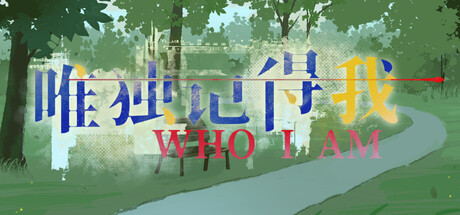
WHO I AM, developed and published by 苏我 Su_wo in collaboration with BieTuoGeng Studio, is an introspective visual novel that explores identity, memory, and human resilience within a setting that quietly mirrors the lingering echoes of a nation’s troubled history. It unfolds in the fictional country of Danna, a place that once fought for independence and now exists in a fragile peace, shaped by the aftermath of conflict. Rather than centering on politics or war, the game turns its attention inward, following the lives of two individuals—a young volunteer named Jin Zhao and a woman named Ruan Linglin—whose paths cross in a rehabilitation center. Through their interactions, WHO I AM constructs an intimate portrait of healing, not only from physical injury but also from the invisible wounds of time, loss, and identity. The story’s foundation rests on the relationship between Jin Zhao, whose quiet determination drives him to help others, and Ruan Linglin, who struggles to redefine herself after tragedy. Linglin’s disability—a wheelchair and a prosthetic golden eye—sets the tone for the game’s approach to realism. Her condition is neither glorified nor pitied; it is treated as an integral part of her character, shaping how she perceives herself and the world around her. Jin Zhao, meanwhile, serves as a reflection of compassion and guilt, a young man wrestling with the limits of his own understanding. Their dialogue, sometimes awkward and halting, often poetic, reveals a rhythm of human connection that feels genuine rather than forced. Instead of dramatizing their pain, the narrative focuses on the slow process of recovery—the hesitant conversations, the small gestures of trust, and the shared silences that speak louder than words. The writing in WHO I AM favors subtlety over spectacle. Its pacing is unhurried, allowing moments of reflection to linger between the lines. Each choice in dialogue carries emotional weight, even when its consequences appear minor. Rather than branching into radically different paths, the decisions serve to color the tone of the story and reveal facets of the characters’ personalities. The game invites the player to observe more than to act, to listen rather than to command. It’s an experience that rewards empathy and patience, echoing the emotional cadence of its themes. The notion of identity runs throughout the narrative—not as a fixed concept but as something fluid, constantly reshaped by memory, circumstance, and relationships. Both Jin Zhao and Linglin are searching for a sense of self that feels whole, and the player’s presence in their story becomes part of that journey. Visually, WHO I AM embraces simplicity as a deliberate aesthetic choice. The interface is clean, the backgrounds subdued yet evocative, and the character portraits expressive without resorting to exaggerated emotion. The muted color palette complements the game’s contemplative tone, while occasional shifts in lighting and framing mirror the characters’ inner states. The art style captures an almost cinematic restraint, relying on composition rather than visual excess to convey atmosphere. There is a calm precision in its design that reinforces the narrative’s focus on quiet emotional realism. The environments—the rehabilitation center, the sunlit courtyards, the isolated streets of Danna—are drawn with care, not for spectacle but to ground the story in a believable world. Sound design plays a crucial role in sustaining the game’s mood. The soundtrack consists of gentle piano melodies and ambient pieces that ebb and flow with the pacing of the dialogue. Music rarely demands attention; instead, it accompanies the player like a heartbeat, steady and unobtrusive. Silence is used intentionally, allowing the absence of sound to heighten the emotional tension during moments of vulnerability or introspection. The occasional sound effects—the turning of a wheelchair, the distant hum of city life—anchor the experience in tactile realism. Though the game lacks voice acting, the textual delivery and pacing ensure that the emotional tone remains palpable. This minimalist audio approach deepens the immersion, reinforcing the sense of being present in a delicate, personal space. From a thematic perspective, WHO I AM succeeds in portraying how personal identity is inseparable from history and collective memory. The setting of Danna, while fictional, resonates with universality—a place marked by political division, social transition, and the enduring question of who we become when the world around us changes. The narrative never lapses into overt commentary; instead, it lets the characters embody the effects of their nation’s past. The wounds of history are felt in quiet ways—through Ruan Linglin’s guardedness, Jin Zhao’s sense of obligation, and the society that struggles to define progress after trauma. This subtle approach gives the story emotional authenticity, presenting national history not as background exposition but as a living shadow that shapes individual lives. While WHO I AM is modest in scope, its ambitions are emotional rather than mechanical. The gameplay adheres to the visual novel tradition—reading text, making choices, and uncovering multiple endings—but the design never feels mechanical or procedural. Each choice is a reflection of empathy, a small decision that shapes tone more than outcome. The game’s brevity works to its advantage, offering a complete emotional arc without overstaying its welcome. Its structure resembles a novella more than a branching epic: concise, introspective, and resonant. The limited scale also means that players seeking intricate routes or deep replayability may find it minimal, but those drawn to emotional storytelling will likely appreciate its focus. Despite being an indie production, the craftsmanship is evident throughout. The writing carries literary ambition, the artwork complements the narrative’s mood, and the pacing reflects an understanding of how to evoke empathy without manipulation. The simplicity of presentation allows the emotional complexity to shine through. The only notable limitation lies in accessibility—currently, the game is primarily in Chinese, with no full English translation, which may restrict its international reach. Yet even without full localization, the emotional universality of its themes—identity, recovery, connection—transcends language barriers. Ultimately, WHO I AM is a quiet, reflective experience that lingers after the screen fades to black. It does not seek to dazzle or shock; instead, it invites introspection. It’s about the small moments that define us—the way we remember, the way we heal, and the way we rediscover who we are through others. In a genre often crowded with melodrama and excess, this visual novel stands out for its restraint and sincerity. It is a delicate meditation on humanity and memory, a story that whispers rather than shouts, and in doing so, leaves a deeper, more lasting impression. Rating: 7/10
Related
Related
Trends
Concurrent players on Steam, sampled daily since tracking started.
Momentum
Pace estimated from the game's recent review growth (our daily snapshots) at its own sales-per-review ratio — a momentum signal, not booked sales.
Related
| Glasses and Girls | $316 | 51 | 82% | $0.99 |
| Bongo Quest | $322 | 52 | 46% | $4.99 |
| Dances and Girls | $322 | 52 | 83% | $0.99 |
| Cosmic Journey PC Live Wallpaper | $336 | 52 | 71% | $0.99 |
| Forest and Girls | $340 | 55 | 82% | $0.99 |
| Work And Girls | $347 | 56 | 86% | $0.99 |
Related
| 7 Days to Die | $425.3M | 398.5K | 87% | $44.99 |
| Palworld | $415M | 463.2K | 94% | $29.99 |
| Mount & Blade II: Bannerlord | $309.8M | 294.6K | 88% | $49.99 |
| Stardew Valley | $243.6M | 1M | 98% | $14.99 |
| Project Zomboid | $239.1M | 464.4K | 94% | $24.99 |
| Terraria | $187.5M | 1.5M | 97% | $9.99 |