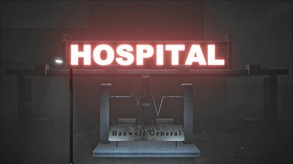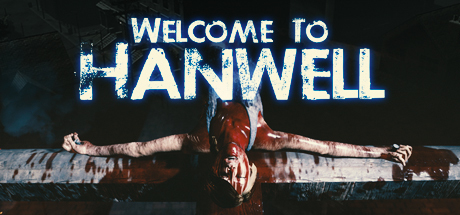
Open world horror set in a city in which your worst nightmares have become an everyday part of life. Explore a dense open world of terror, every building a unique location with it's own story to tell. Strung together by the remenants of Hanwell.
Revenue comes from in-game items and microtransactions, which our price-based model doesn't estimate. Copies below reflect the player base, not paid sales.

About
Genres
Stats
Languages: English**languages with full audio support
Engagement
Reviews
Themes across 40 recent reviews and how positive each mention is. A keyword signal, not full sentiment analysis.
Reviews
⬛⬛⬛⬛⬛⬛⬛⬛⬛⬛⬛⬛⬛⬛⬛ 🟧🟧🟧🟧🟧🟧🟧🟧🟧🟧🟧🟧🟧🟧🟧 ⬛⬛⬛⬛⬛⬛⬛⬛⬛⬛⬛⬛⬛⬛⬛ ⬛⬛⬛⬜⬜⬛⬛⬛⬛⬛⬜⬜⬛⬛⬛ ⬛⬛⬜⬜⬜⬜⬛⬛⬛⬜⬜⬜⬜⬛⬛ ⬛⬜⭐⭐⭐⬜⬜⬛⬜⬜⭐⬜⭐⬜⬛ ⬜⬜⬜⬜⭐⬜⬜⬜⬜⬜⭐⬜⭐⬜⬜ 🟦🟦🟦⭐🟦🟦⭐⭐⭐🟦⭐🟦⭐🟦🟦 🟦🟦⭐🟦🟦🟦⭐🟦⭐🟦⭐🟦⭐🟦🟦 ⬛🟦⭐⭐⭐🟦⭐🟦⭐🟦🟦⭐🟦🟦⬛ ⬛⬛🟦🟦🟦🟦⭐🟦⭐🟦🟦🟦🟦⬛⬛ ⬛⬛⬛🟥🟥🟥⭐⭐⭐🟥🟥🟥⬛⬛⬛ ⬛⬛⬛⬛🟥🟥🟥🟥🟥🟥🟥⬛⬛⬛⬛ ⬛⬛⬛⬛⬛🟥🟥🟥🟥🟥⬛⬛⬛⬛⬛ ⬛⬛⬛⬛⬛⬛🟥🟥🟥⬛⬛⬛⬛⬛⬛ ⬛⬛⬛⬛⬛⬛⬛🟥⬛⬛⬛⬛⬛⬛⬛ ⬛⬛⬛⬛⬛⬛⬛⬛⬛⬛⬛⬛⬛⬛⬛ 🟧🟧🟧🟧🟧🟧🟧🟧🟧🟧🟧🟧🟧🟧🟧 ⬛⬛⬛⬛⬛⬛⬛⬛⬛⬛⬛⬛⬛⬛⬛
优化差的莫名闪退入场动画都没播完还不能跳过
JUEGAZO 😎👍💛🌟
Related
Related
Trends
Concurrent players on Steam, sampled daily since tracking started.
Hours played at review time, across 40 reviews with recorded playtime.
positive critical· bar length = how often the theme comes up
It sucks.
Welcome to Hanwell is an ambitious first-person horror experience developed and published by Steel Arts that attempts something many horror games rarely dare to do: transform an entire city into a source of fear. Instead of trapping players inside a single haunted location, the game opens the gates to a sprawling urban environment where supernatural horrors have become an accepted part of everyday existence. This unusual concept gives the game a distinct identity and helps it stand apart from more conventional horror titles that rely on narrow corridors and heavily scripted scares. The story unfolds within Hanwell, a city that was once considered a safe haven against strange paranormal incidents affecting the wider world. Over time, however, the situation deteriorated. Mysterious entities known as Anomalies now roam the streets, infiltrate buildings, and terrorize the remaining inhabitants. The city itself becomes the central character of the narrative. Rather than focusing entirely on a single protagonist's journey, the game encourages players to uncover the secrets hidden throughout Hanwell's neighborhoods, gradually piecing together the history behind its downfall. Exploration forms the backbone of the experience. Players are free to wander through numerous districts, enter buildings, and investigate locations that often contain self-contained stories. One of the game's most interesting ideas is that nearly every major structure has its own unique narrative or horror scenario. An abandoned house may reveal evidence of a family tragedy, while a forgotten facility might expose disturbing experiments linked to the city's collapse. This structure makes exploration consistently rewarding because there is always the possibility of discovering another unsettling mystery. Atmosphere is where Welcome to Hanwell truly excels. The city feels abandoned but never empty. Quiet streets, flickering lights, distant sounds, and unexplained movements create a constant feeling of tension. The game understands that fear often comes from uncertainty rather than direct confrontation. Long stretches of exploration are filled with anticipation, leaving players wondering what might be waiting around the next corner. Even familiar locations become unsettling because danger never feels entirely predictable. The Anomalies themselves are effective antagonists because they vary considerably in appearance and behavior. Some are aggressive hunters that force players into frantic escapes, while others create psychological pressure simply through their presence. This variety prevents encounters from becoming repetitive and ensures that players remain cautious throughout the adventure. The creatures often feel more threatening because the game avoids overexposing them, allowing imagination to fill in the gaps. The world-building is surprisingly deep for an independent horror title. Documents, environmental details, and hidden clues reveal information about the city council, scientific investigations, containment efforts, and the origins of the supernatural outbreak. Much of the narrative is delivered indirectly, rewarding attentive players who take the time to search for details. This approach creates a satisfying sense of discovery and makes the city feel like a place with a genuine history rather than merely a backdrop for horror sequences. Visually, the game demonstrates impressive ambition. The urban environment is large, interconnected, and varied enough to maintain interest throughout the journey. Residential districts, commercial areas, underground locations, and research facilities all possess distinct atmospheres. Lighting plays a particularly important role, frequently transforming otherwise mundane environments into nerve-racking spaces. Darkness is used effectively, not simply to obscure vision but to amplify uncertainty and tension. Sound design further enhances the experience. The city constantly communicates through creaking structures, distant noises, environmental disturbances, and unsettling ambient effects. Players rarely feel completely safe because the audio suggests that something may always be nearby. The soundtrack remains relatively restrained, allowing environmental sounds to take center stage and contribute to the game's oppressive atmosphere. Combat exists primarily as a survival tool rather than a power fantasy. Players can find and use various objects as weapons, giving them options when confronted by threats. However, combat often feels intentionally desperate and uncomfortable. Resources are limited, encounters can be dangerous, and direct confrontation is rarely the easiest solution. This design reinforces the horror elements by ensuring that players never become overly powerful. At the same time, Welcome to Hanwell is a game whose ambition occasionally exceeds its execution. Technical issues, inconsistent performance, awkward combat mechanics, and occasional objective confusion can interrupt immersion. The open-world structure sometimes lacks the guidance found in more polished horror experiences, which may leave some players wandering without a clear sense of direction. These shortcomings are noticeable and prevent the game from reaching its full potential. Despite these flaws, the game's strengths remain significant. Few horror titles manage to create such a convincing sense of place. Hanwell feels like a real city that has been overtaken by unimaginable horrors rather than a collection of disconnected levels. The freedom to explore, combined with the dense atmosphere and layered storytelling, creates a unique experience that rewards patience and curiosity. What ultimately makes Welcome to Hanwell memorable is its willingness to prioritize exploration and environmental storytelling over constant action. It captures the unsettling feeling of wandering through a place where normal life has collapsed and something unnatural has taken its place. The game may lack the polish of larger-budget productions, but its originality and commitment to its vision make it an intriguing entry in the horror genre. For players who enjoy atmospheric horror, urban exploration, and uncovering hidden stories through investigation, Welcome to Hanwell offers a compelling journey through a city consumed by fear. While technical limitations and rough edges occasionally hold it back, the experience succeeds in creating a world that feels genuinely haunting and difficult to forget. Rating: 6/10
Already beaten the game on another platform. I'm here because I wanted to replay it. Since it's free i'll thumbs it up. I absolutely love Welcome to Hanwell in a B movie kind of way. Bear in mind thought, that this game is not without it's flaws. The execution is neat at the beginning, but the ending will leave a bit to be desired. It will reek of 2013 horror game lighting whether you like it or not (I do). There might be some bugs or some rough around the edge things. Overall, the game gives a decent experience at being isolated in a quarantined town with some experiment gone wrong type of things, and the exploration does reward you if you find the hidden secret stuff.
Hikaye parçalı bir şekilde sunulduğu için merak uyandırmıyor, aksine dağınık bir deneyim yaratıyor. Kontroller hantal, yapay zeka tutarsız ve teknik sorunlar oyunun akışını sık sık bozuyor. Şehir keşfi ilginç olabilirdi, ancak içerik yetersizliği yüzünden boş bir haritada dolaşıyormuş hissi veriyor. Potansiyeli olan ama zayıf tasarım kararlarıyla kendi atmosferini bile taşıyamayan bir oyun. Oynamayan bir şey kaybetmez. PUAN : 5/10
不够恐怖
Grafikler sizi aldatmasın oyun çok kötü. Mekanikleri rezalet, hikaye var denemez, bizi bıraktığı dünya bomboş, korku öğesi sıfır. Zamanınızı harcamayın. (Don't let the graphics fool you, the game is very bad. The mechanics are terrible, there is no story, the world it leaves us in is empty, there is zero horror element. Don't waste your time.)
[h1]🧟♂️ Welcome to Hanwell: Prometía más de lo que da[/h1] Después de ver el tráiler uno esperaría un juego oscuro, inmersivo y con una historia intrigante... pero no. *Welcome to Hanwell* se queda corto en casi todo. Los gráficos parecen de hace dos generaciones, la historia se siente desconectada y la jugabilidad… torpe y frustrante por momentos. Eso sí, algo tiene que mantiene entretenido por ratos. Es uno de esos títulos que **no son buenos**, pero por alguna razón los terminas. Si ya lo tienes o te lo regalaron, dale una vuelta. Pero si estás pensando en comprarlo esperando algo tipo *Silent Hill* o *Outlast*, **mejor baja tus expectativas**. [h2]📊 Valoración general[/h2] [table] [tr][td]🎨 Gráficos[/td][td]🎮 Jugabilidad[/td][td]📖 Historia[/td][td]⏱ Duración[/td][td]⭐ Calificación global[/td][/tr] [tr][td]6/10[/td][td]5/10[/td][td]6/10[/td][td]6/10[/td][td]6/10[/td][/tr] [/table]
Audience
Estimated from the language of this game's reviews — a proxy for where players are, not official Steam demographics.