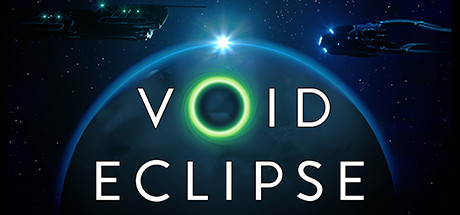
Void Eclipse is an ambitious hybrid strategy game that tries to bridge the gap between tactical, turn-based combat and broader galactic decision-making. Developed and published by Tau Ceti Studios, it places players in the role of an android commander navigating a fractured sci-fi universe threatened by a spreading nanotechnological menace. The game’s core appeal lies in its attempt to combine personal, character-driven storytelling with large-scale strategic choices, creating an experience that feels both intimate and expansive—at least in concept.
The structure of the game operates on two interconnected layers. On one side, there is a galaxy map where players explore star systems, interact with factions, and make decisions that influence relationships and outcomes. This layer carries the tone of a simplified 4X strategy game, offering elements of diplomacy, movement, and resource consideration. However, it functions more as a connective framework than a deeply developed system. While it provides context and progression, it lacks the complexity and nuance expected from more dedicated strategy titles, which can make it feel underwhelming once its basic mechanics are understood.
Where Void Eclipse truly distinguishes itself is in its tactical combat. Battles take place on grid-based maps that emphasize positioning, foresight, and efficient use of abilities. Units are restricted in how they can act each turn, often requiring players to choose between movement and offense, which encourages careful planning rather than reactive play. Abilities are tied to shared resources, adding another layer of decision-making, as powerful actions must be used sparingly. This system creates a deliberate and methodical pace, where success comes from understanding synergies and anticipating enemy behavior rather than relying on brute force.
Progression within this combat system is one of the game’s stronger elements. Units develop over time, gaining new abilities and becoming more effective as they are used across missions. This persistent growth gives a sense of continuity and investment, making each unit feel valuable. At the same time, the risk of losing efficiency during encounters adds tension, as mistakes can have lasting consequences within a mission. This balance between growth and risk helps maintain engagement, particularly during longer sequences of combat.
The narrative attempts to tie these systems together by focusing on the identity of the protagonist and the broader threat facing the galaxy. As an android with uncertain origins, your character’s journey unfolds alongside interactions with various factions and individuals, each with their own perspectives on the unfolding crisis. The story introduces themes of autonomy, purpose, and survival, but it remains somewhat understated. While there are moments of intrigue, the narrative often takes a back seat to the gameplay, and its impact depends largely on how much the player engages with optional dialogue and choices.
Visually, the game presents a clean, functional sci-fi aesthetic. Unit designs are distinct enough to be recognizable in combat, and environments reflect a cold, technological tone that fits the setting. The presentation is competent, though not particularly striking, and serves primarily to support the gameplay rather than elevate it. The audio design complements this approach, offering a consistent backdrop that reinforces the atmosphere without drawing too much attention to itself.
Despite its strengths, the game struggles with cohesion and polish. The disparity between its strong combat system and its weaker strategic layer creates an uneven experience, where one aspect feels carefully designed while the other feels more like an afterthought. Interface issues and a lack of intuitive navigation can further disrupt the flow, making it harder to engage with the broader systems. Additionally, the absence of certain quality-of-life features can slow down progression, particularly during repetitive segments.
Repetition is another factor that affects the overall experience. While the tactical combat remains engaging, mission structures and objectives do not vary significantly over time. This can lead to a sense of familiarity that gradually diminishes the initial appeal. The game introduces its core ideas early on, but does not expand them enough to maintain long-term variety, which can make extended play sessions feel less rewarding.
Technical shortcomings also play a role in shaping the experience. Reports of performance issues and bugs contribute to a sense that the game lacks refinement, which can detract from its otherwise solid foundation. These issues, combined with the uneven design, make it clear that the game’s ambition exceeds its current execution.
Even so, there is a clear vision behind Void Eclipse. Its attempt to merge tactical depth with broader strategic elements is commendable, and when its systems align, it delivers moments of thoughtful and satisfying gameplay. The combat, in particular, stands out as a well-realized component that showcases the potential of the overall design.
In the end, Void Eclipse is a game defined by contrast. It offers a strong and engaging tactical experience, but pairs it with systems that feel less developed and less polished. It is a title that shows clear ambition and creativity, but also highlights the challenges of balancing multiple genres within a limited scope. For players who value turn-based strategy and are willing to overlook its flaws, it can provide a rewarding experience, though one that never fully realizes its potential.
Rating: 6/10