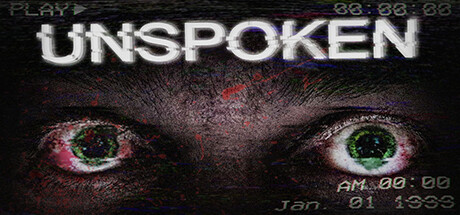
Unspoken is a psychological horror game that relies heavily on atmosphere, tension, and emotional discomfort rather than action-heavy gameplay or elaborate mechanics. Built around retro-inspired visuals and oppressive environmental design, the game places players inside a disturbing nightmare filled with uncertainty, fragmented storytelling, and a constant feeling that something terrible is waiting just beyond sight. While the experience is relatively short, it succeeds because it understands how to maintain dread through pacing, sound design, and psychological pressure instead of relying entirely on repetitive jump scares or constant enemy encounters.
The story unfolds in a deliberately vague and fragmented way, allowing players to piece together events through exploration and environmental details rather than direct exposition. The game avoids explaining everything clearly, which becomes one of its greatest strengths. Players are constantly left questioning what is real, what may be imagined, and whether the protagonist’s perception of reality can even be trusted. This uncertainty creates a persistent sense of paranoia that strengthens the horror throughout the entire experience.
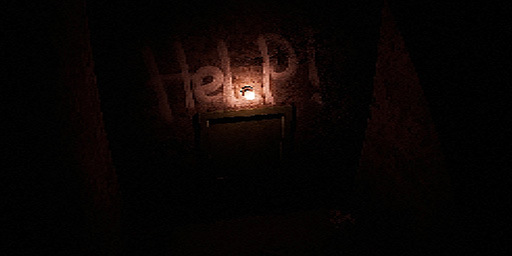
Atmosphere is unquestionably the game’s strongest feature. The environments feel claustrophobic, dark, and deeply unsettling even during moments where nothing dangerous is immediately happening. Hallways stretch into shadowy corners, abandoned rooms feel strangely unnatural, and dim lighting constantly obscures visibility in ways that make exploration stressful. The game captures the feeling of being trapped inside a hostile and unstable world where every new location feels wrong in subtle but effective ways.
The retro visual style contributes enormously to the horror. Low-resolution textures, grainy effects, and rough environmental details create a dreamlike quality that feels reminiscent of older survival horror games from the PlayStation era. Instead of appearing outdated, the visuals actually enhance the atmosphere by making environments feel distorted and unfamiliar. The rough presentation gives the world a sense of instability that would likely be lost with cleaner or more modern graphics.
Sound design is another major reason the game works so effectively. Distant noises, muffled sounds, environmental echoes, and sudden bursts of audio constantly create tension while exploring. The game uses silence just as effectively as loud scares, often allowing quiet moments to become deeply uncomfortable simply because players expect danger at any second. Ambient sounds and unsettling audio cues maintain psychological pressure even when nothing obvious is happening on screen.
Gameplay itself remains relatively simple, focusing mostly on exploration, environmental interaction, and survival. Players move through hostile areas searching for clues, progressing through story sequences, and occasionally dealing with dangerous encounters that reinforce feelings of vulnerability. Combat and direct confrontation are limited, which actually benefits the experience because players rarely feel powerful or fully prepared. The game succeeds by making players feel exposed and uncertain rather than turning the horror into straightforward action sequences.
The pacing is handled surprisingly well. Unspoken wastes very little time and keeps the experience moving steadily forward while gradually escalating the horror. Each new section introduces more disturbing imagery, unsettling encounters, or psychological tension without becoming repetitive too quickly. Since the game is relatively compact, it avoids the common horror problem of stretching its ideas too far and losing momentum halfway through.
Enemy encounters are used carefully enough to remain effective. The game does not overwhelm players with nonstop monsters or excessive chase sequences. Instead, it spaces out major threats in ways that make appearances feel more impactful. Certain encounters become genuinely tense because the game spends enough time building anticipation beforehand. Fear comes less from constant danger and more from uncertainty regarding when something horrifying may suddenly appear.
One of the more impressive aspects of Unspoken is how emotionally oppressive it feels. Beyond supernatural horror, the game explores themes connected to trauma, violence, fear, and emotional isolation. The horror often feels psychological rather than purely physical, creating an experience that lingers in the player’s mind after completion. Even when the game becomes surreal or abstract, the emotional discomfort remains grounded enough to feel personal and disturbing.
The environments themselves deserve praise because they constantly reinforce the game’s themes through visual storytelling. Rooms often appear abandoned yet strangely lived-in, while environmental details subtly suggest violent or tragic events without explaining everything directly. The game trusts players to interpret much of what they see, which strengthens immersion and mystery.
Despite its strengths, the game is not without flaws. The relatively short runtime means the experience ends fairly quickly, especially for players familiar with indie horror games. While the concise structure helps maintain tension, it also limits opportunities for deeper character development or more complex gameplay systems.
Technical roughness occasionally appears as well. Some animations and movement systems feel awkward, and there are moments where the game’s smaller budget becomes obvious through stiff interactions or minor visual inconsistencies. These issues rarely ruin the experience entirely, but they do prevent the game from feeling fully polished.
The gameplay is also fairly linear. Players looking for complex puzzles, extensive exploration systems, or major replay value may find the overall structure somewhat limited once the atmosphere alone is no longer enough to carry the experience. Much of the game revolves around moving forward through scripted horror sequences and narrative progression rather than offering highly interactive systems.
What ultimately makes Unspoken memorable is how effectively it captures psychological tension using relatively simple tools. The oppressive atmosphere, unsettling audio design, fragmented storytelling, and retro-inspired visuals combine into a horror experience that feels deeply uncomfortable in the best possible way. It understands that fear often comes from uncertainty and emotional pressure rather than constant violence or cheap scares.
Unspoken may not completely reinvent psychological horror, but it delivers a focused and highly atmospheric experience that captures the spirit of classic survival horror extremely well. For players who enjoy unsettling exploration, disturbing environments, and horror driven by mood and psychological unease, it offers a short but memorable descent into fear and paranoia.
Rating: 8/10