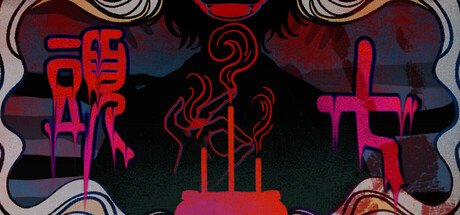
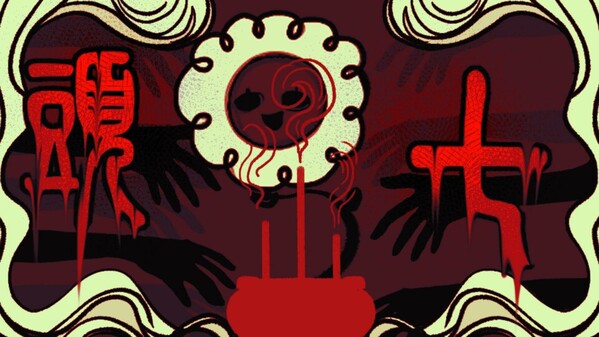
TOUQI is a narrative-driven psychological horror experience developed by 橙光游戏 and published by Paleo that leans heavily into atmosphere, folklore, and interactive storytelling rather than traditional action mechanics. At first glance, it presents itself as a modest 2D adventure, but beneath its restrained presentation lies a layered and unsettling exploration of urban legends, cultural superstition, and the fragile boundary between online rumor and lived reality. The title itself references the traditional Chinese mourning ritual observed on the seventh day after death, immediately grounding the game in themes of loss, remembrance, and lingering spirits.
The premise centers on a newly recruited staff member at a small publication tasked with investigating strange stories circulating on an online forum known as “Touqi.” What begins as routine editorial work—reviewing posts and analyzing threads—gradually evolves into something far more disturbing. The game cleverly blends digital investigation with real-world exploration, requiring players to connect narrative fragments, identify hidden patterns in folklore accounts, and make decisions that shape the trajectory of each case. This investigative structure gives the experience a deliberate, methodical pace, encouraging careful reading and critical thinking rather than reflex-driven gameplay.
The storytelling is where TOUQI truly excels. It draws deeply from Chinese folk traditions, ghost stories, and contemporary urban myths, weaving them into interconnected episodes that slowly reveal a broader narrative tapestry. The horror is subtle and psychological, often emerging through implication rather than spectacle. Instead of relying on constant jump scares, the game cultivates tension through eerie imagery, ambiguous dialogue, and the creeping realization that seemingly unrelated tales may share a darker common origin. The writing rewards attentive players, as details hidden in earlier segments often resurface later with new significance.
Visually, the game adopts a hand-drawn 2D style reminiscent of interactive fiction and visual novels. Character portraits, dimly lit environments, and stylized UI elements create an intimate atmosphere that complements the narrative focus. The art direction favors mood over realism, using muted tones and shadow-heavy compositions to evoke unease. Sound design plays an equally important role; subtle ambient noise and restrained musical cues amplify the psychological pressure without overwhelming the player. The overall presentation may appear simple compared to high-budget horror titles, but its cohesion and clarity serve the storytelling effectively.
Mechanically, TOUQI blends point-and-click exploration with branching dialogue choices and puzzle-solving sequences. Players must examine documents, revisit posts, and piece together clues in a way that feels more investigative than action-oriented. Choices matter, influencing character relationships and leading to multiple possible endings. This branching structure enhances replayability and reinforces the sense that interpretation shapes outcome. Rather than dictating a single canonical path, the game allows different conclusions to emerge based on how thoroughly players analyze evidence and respond to unfolding events.
One of the most compelling aspects of TOUQI is how it explores the relationship between folklore and the digital age. The forum format reflects how modern myths are born, shared, and transformed online. The game subtly comments on how stories gain power through repetition and belief, blurring the lines between superstition and reality. This thematic layer elevates the experience beyond a straightforward ghost story, transforming it into a meditation on narrative itself—how it spreads, how it shapes perception, and how it can haunt both individuals and communities.
Despite its strengths, TOUQI may not appeal to everyone. The heavy emphasis on reading and slow-burn storytelling demands patience. Players seeking fast-paced action or mechanically complex systems might find the experience subdued. Additionally, its strong reliance on cultural context means that some nuances may resonate more deeply with players familiar with Chinese traditions and ghost lore. However, for those willing to immerse themselves in its carefully constructed world, these qualities become strengths rather than limitations.
Overall, TOUQI stands out as a thoughtful and culturally grounded horror title that prioritizes narrative depth and psychological atmosphere over spectacle. Its integration of folklore, investigative gameplay, and branching storytelling creates a distinctive experience that lingers long after completion. Rather than overwhelming players with constant fear, it invites them to sit with discomfort, question what they read, and consider how stories—especially those rooted in ritual and belief—continue to shape the living world. For fans of interactive fiction and atmospheric horror, it offers a haunting and intellectually engaging journey that is both intimate and unsettling.
Rating: 9/10