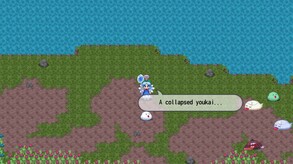
Souzinengi V is a full-scale RPG that carries on the traditions of RPGs from the good old days. It was made with the challenge of seeing just how interesting battles could be with standard, 5-character, turn-based combat, and whether its character growth system would be fun while remaining simple.
Modeled estimate, not a reported figure. How we estimate →
Media

About
Genres
Stats
All-time low is the lowest price we've recorded for this game since we started tracking it.
Languages: Japanese, English
Engagement
Hours played at review time, across 40 reviews with recorded playtime.
Reviews
Themes across 40 recent reviews and how positive each mention is. A keyword signal, not full sentiment analysis.
positive critical· bar length = how often the theme comes up
Reviews
Touhou SouzinengiV -The Genius of Sappheiros-, developed by ハチクマソフト and published by mebius., is a deeply system-driven turn-based RPG that prioritizes mechanical complexity and strategic planning over accessibility or narrative depth. As part of the broader Touhou fan game ecosystem, it draws from a familiar cast and setting, but its real focus lies in constructing a layered combat experience that rewards careful preparation and experimentation rather than quick adaptation or casual play. The story serves more as a backdrop than a driving force. Set within the world of Gensokyo, it revolves around a mysterious disturbance that compels a large roster of characters to investigate and confront its source. While there are moments of personality in the dialogue, the narrative itself is fairly straightforward and does not evolve into anything particularly intricate. Most of the time, it acts as connective tissue between battles, offering context without demanding much attention. Players looking for a strong, character-driven story may find it lacking, but those primarily interested in gameplay will likely see it as a secondary element. Combat is where the game establishes its identity. Battles are turn-based, but they are built around a dense web of interlocking systems that go far beyond simple attack and defense choices. Players assemble a party of active fighters alongside a supporting role that influences battle conditions, adding an extra layer of decision-making. One of the most distinctive mechanics is the dynamic elemental field system, which shifts based on the actions taken during combat. These changes affect damage output and resistances, forcing players to think several steps ahead and adjust their strategy as the battlefield evolves. This constant fluctuation transforms encounters into ongoing tactical puzzles rather than static exchanges. Character progression is equally intricate. Instead of relying solely on leveling, the game introduces flexible systems that allow players to allocate points, adjust builds, and reconfigure abilities to suit different situations. Skills are limited by slots and resource costs, meaning that choosing the right combination is critical. This encourages experimentation and adaptation, as different encounters often require entirely different approaches. The depth of these systems is one of the game’s greatest strengths, providing a level of control that can be highly satisfying for players who enjoy optimizing their strategies. However, this complexity also creates a steep learning curve. The game does not always explain its mechanics clearly, and understanding how different systems interact can take considerable time. Early encounters may feel manageable, but the difficulty escalates quickly, requiring a solid grasp of the underlying systems to progress. This can make the experience intimidating for newcomers, as success often depends on preparation and knowledge rather than reflexes or improvisation. The overall structure leans heavily on dungeon exploration and repeated battles. While the depth of the combat system helps maintain engagement, the lack of variety in how content is presented can lead to a sense of repetition over time. Encounters follow a similar pattern throughout the game, and while the strategic elements evolve, the core loop remains consistent. Given the game’s length, this repetition can become noticeable, particularly during extended play sessions. Visually, the game adopts a simple, retro-inspired style that prioritizes clarity over detail. Character sprites and environments are functional, ensuring that the focus remains on the mechanics rather than presentation. The aesthetic may feel dated to some players, but it aligns with the game’s overall design philosophy. The soundtrack supports the experience with energetic tracks that complement the pacing of battles, adding to the overall atmosphere without overshadowing the gameplay. Despite its limitations, the game succeeds in delivering a highly rewarding experience for its intended audience. It is not designed to be approachable or immediately engaging for everyone, but for players willing to invest the time to understand its systems, it offers a depth that is rarely seen in more streamlined RPGs. The emphasis on strategy, customization, and long-term planning creates a sense of progression that feels earned rather than automatic. Ultimately, Touhou SouzinengiV -The Genius of Sappheiros- is defined by its commitment to complexity and player agency. It offers a challenging and system-rich experience that rewards careful thought and experimentation, even if it comes at the cost of accessibility and variety. It is a game that demands patience, but for those who embrace its design, it provides a deeply satisfying sense of mastery. In the end, it stands as a niche but compelling RPG that excels in mechanical depth and strategic gameplay. While its repetitive structure and steep learning curve may limit its appeal, its strengths make it a standout experience for players who enjoy dissecting and mastering intricate systems. Rating: 8/10
游戏已经通关,购买只是为了帮以前陪伴我度过了几年时光的游戏补个票,因为那时候我玩的是国内爱发电版(盗版) 论游戏本身,多种多样的装备,饰品,阵型,伙伴,符卡,造就了这游戏的超多可玩性。狂战士十投剑暴走勇仪,各种偷师的小五,强打月兔,追击河童,每个都能是大C,也可以变辅助,也可以化身先锋盾卫 小小的几百M(旧版),可玩游戏时长少说都能上千小时,只要你能体会其中自由搭配的肉鸽魅力,根本没有上限
ダンジョンは面倒くさい割にマップが表示されないし アイテムが大量にあるのに倉庫機能すらないし でもやりたくなる不思議なゲーム
A Touhou game with mechanics of Romancing Saga [without random skill learning on battle] Story is very linear, and as expected from Reimu in every Touhou game: Beat them first, ask them later. My only regret is the game does not use specific character's theme on encounter. no Remilia theme for Remilia fight and i felt empty already. fortunately, the game fixed my disappointment by its gameplay.
Despite being turn-based, combat is fast and a battle is usually over in a few turns. Even bosses will go down, or take you down, very quickly. This in combination with full HP heal between battles and the lives system keeps the game going at a fast pace and allows even trash mobs to be deadly while not forcing any specific party makeup on you. The story is just Touhou; weird things happen and Reimu beats everyone up to solve it. Some scenes are pretty funny. It's enough to keep the gameplay going. Fun game, plenty of mechanics without being overcomplicated, fast pace. Yuo should play it.
陣形+アクセサリー3枠による、自由度の高さが魅力。 でも、レベルデザイン放棄してるとしか思えないボス戦はうんち。強力なメタ行動あるのはいいが、それが確立で使ってくる様になるって、どう気づけと?アイテムなぞ使ってんじゃねえ!ぐらい、分かりやすくないときつい。 オススメできるのは、調べるのに抵抗がないか、画面共有等でワイワイやりたい人向けなのかな。 ファイナルクエストクリア後追記 ボス前等の、休憩所に到達するだけで達成感が味わえたのは久々だった。ただ、ストーリーが適当なテンプレの繰り返しが多いのもあって、かなりダレやすい。隠しみたいになってる陣形・合成レシピはうんち。撃破数レシピは諦めた。総撃破4,507だよ。 クリアまでやっても、そこまで感想は変わらないかな?一人だと何処かで詰まりやすくなっているので、ソロゲーなのにソロ向けじゃない。後半にインフレが進んでくると問題に感じたのは、補助役と装備のインフレが進み過ぎて、パーティー分割が成り立っておらず、使い捨てが最適解になっていきそうなバランスに感じた。
Peak Cinema
Pretty good so far, it feels like an old school JRPG.
[h1]東方二次創作RPGの頂点の一つ。圧倒的な熱量と難易度。[/h1] かつて二次創作全盛期の後期に現れた、狂気的な作り込みを誇る名作です。 【ここが凄い】 圧倒的なボリューム: ターン制RPGの限界に挑んだかのような、凄まじい密度とプレイ人数。 戦略性の高さ: キャラごとの個性が強く、ボスの特性に合わせて装備やスキルを試行錯誤する過程が最高に楽しい。撃破時の達成感は他の追随を許しません。 「W」への系譜: 次回作『東方幻想魔録W』と並び、東方RPGの至高と呼べる完成度です。 【注意点】 硬派な難易度: ストーリーは控えめ。キャラ愛で進めるというより「骨太なRPG」を求める人向けです。 UIの古さ: 装備やスキルの頻繁な付け替えが前提のゲーム性ですが、古い作品ゆえにプリセット機能がなく、管理に手間がかかる点は否めません。 総評: 現代の快適すぎるゲームに慣れていると不便さは感じますが、それを補って余りある「攻略の面白さ」が詰まった一作です。
A charming but really throughout RPG, worthy of the Touhou and old school RPGs.
Related
Related
Trends
Modeled estimate over time, reconstructed from Steam's monthly review histogram.
Momentum
Pace estimated from the game's recent review growth (our daily snapshots) at its own sales-per-review ratio — a momentum signal, not booked sales.
Audience
Estimated from the language of this game's reviews — a proxy for where players are, not official Steam demographics.
Related
| Black Myth: Wukong | $794.9M | 1.2M | 97% | $59.99 |
| ELDEN RING | $680.4M | 1.1M | 93% | $59.99 |
| 7 Days to Die | $425.3M | 403.5K | 87% | $44.99 |
| Hogwarts Legacy | $323.6M | 369.9K | 90% | $59.99 |
| Mount & Blade II: Bannerlord | $309.8M | 293.9K | 88% | $49.99 |
| DARK SOULS™ III | $295.3M | 276.9K | 94% | $59.99 |
Related
| Barrow Hill: The Dark Path | $44.3K | 157 | 73% | $14.99 |
| Hellbrella | $44.3K | 219 | 97% | $7.99 |
| Raining Blood: Hellfire | $44.3K | 233 | 91% | $7.99 |
| Deadly Delivery | $44.3K | 175 | 91% | $9.99 |
| Lode Runner Legacy | $44.3K | 175 | 79% | $11.99 |
| PANORAMICAL | $44.3K | 234 | 91% | $9.99 |