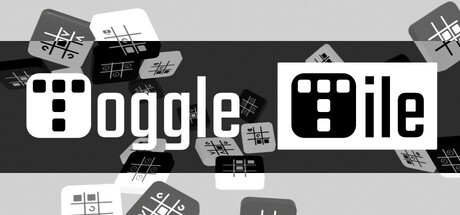
Toggle, shift and rotate tiles to turn them all on. Each tile has a grid inside it that affects the whole board when clicked. Explore the surprising complexity arising from the interactions between the different effects.
Modeled estimate, not a reported figure. How we estimate →
Media

About
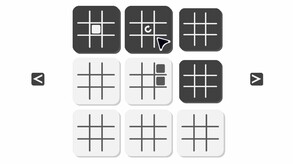
Toggle Tile is a puzzle game that has you changing the color of tiles in a 3 by 3 grid.
The goal is to change the color of all the tiles. Each tile has a 3 by 3 grid of icons inside it.
Each icon acts on the corresponding tile in the puzzle. Click on a tile to apply all its effects at once.
Tiles can act on themselves, creating a dynamic board state.
Features a restart button...
The game features 100 puzzles, a level editor and workshop integration.
In addition, a PVP mode. One player plays as dark while the other as light.
Genres
Stats
All-time low is the lowest price we've recorded for this game since we started tracking it.
Languages: English
Reviews
This game is surprisingly hard, and that's coming from someone who played through most of the Zachtronic games, The Witness, and Baba Is You without any hints. Having played other "Lights Out" type games led me to severely underestimate how complex the variants that this game developer could come up with. I definitely recommend it for people who enjoy hardcore logic-puzzles and budding puzzle-game designers, just to see how complex the variants can get. There are bunch of minor quality of life issues with the game that are bothersome, but not a deal breaker. I find the whole "navigate through levels via minimap" system to be tedious and uninteresting. I'd prefer to just be presented with a menu listing all the levels, and I can click on the level I want to play next. I'd like the developer to implement numpad support. That is to say, rather than clicking on the tiles or using the gamepad, I could just press buttons on the numpad to indicate which tile I want to activate. The algorithm for sorting the leaderboard is unclear. When I solve the puzzle optimally, I seem to deterministically be put into 4th place. 3 people above me all have the same optimal score, and a bunch of people below me seem to also have the optimal score. Why was I 4th, and not 5th or 6th? Anyway, given how many people are gonna go for optimality, I think this leaderboard system does not make sense. Instead, I think they should implement a histograph of e.g. how many people solved the puzzle in the optimal number of moves, in optimal + 1 moves, in optimal + 2 moves, etc., and just highlight the bucket you fell into.
超爽纯逻辑解密,和十四种扫雷变体一样爽。 😵哦不对,我tm点错了!🤓✋哦对的对的,点这里就染上了🤨哦不对,怎么换走了😫啊我跟你们说不对,哎呀不对,🤔哦对的对的对的对…对吗?哦对的对的对的,终于过关了😁,😐😨不对吧,榜一怎么比我还少一步?😵💫哦😲对对对对对,对对对对我明白了,先点这里就能少走一步了🤓。 别说了别说了好吧,观众朋友们别说了我已经懂了,跟你们开个小玩笑🤓。
perfection
It is a solid game but gets boring quickly. It is one of those puzzlers you can play while listening toa podcast. You can change the colors and it has a dark theme, always a plus. It is just ok, nothing more and nothing less. Wait for a discount.
[h2] 第一体验[/h2] 游戏的规则很简单,只要需要把所有的方块填充成色就能获得游戏的胜利。一开始我以为这只是一个简简单单的填格子游戏,利用每个格子上同样九宫格的方块,来对整个九宫格进行一个填充。难点在于每次的填充,会进行一个颜色翻转的效果,也就是简单的黑白棋对照。人无法举起自己自己,但是每个格子上的模块却可以对自己产生影响,这就是游戏很简单而又美观的设计理念,也为后面错综复杂的互动关系埋下伏笔。在通关之后会将步数显示在屏幕的右上角进行一个全球性排名,刺激玩家找寻最佳的答案选择,更优化的解法。当我简单的通关了第一大关以后,发现有九大关卡的设计,作者将九宫格的理念贯彻到底设计了九种类型功能图标,抱着这能有多难的心态我继续游玩下去。 [h2] 渐入佳境[/h2] 在简单的反转涂色之后,游戏加入了位移和旋转,反转等按钮,不再是黑白棋反转,而类似于华容道和魔方的玩法。九宫格的填色不再覆盖所有,需要操控固定几个的位置调整,反复挪移,将涂色的方块运送到边边角角,然而有的方块移动会牵扯到自身,反复横跳让人摸不到头脑,反复试错改变顺序手法就能迎刃而解,享受puzzles这种恍然大悟感觉自己长脑子的快感。再到锁定图标的关卡,游戏的立意又高深了一层楼,很多锁定涉及了与或非的逻辑关系,两个按钮会互相锁定对方,二这两个图块的填色又呈现互补状态,只是中间重叠,需要小心谨慎,一不小心就会造成全面锁死,动也动不了的绝境,游戏随时可以撤退挽回了很多脑细胞损伤。其中脑洞最大的是锁还具有保护作用,有的位移方块针对边角,一旦触发方块就会飞出屏幕,游戏无法完成,只有利用锁定稳定作用才能安全启用这一按钮。连锁式的交互,反复试探解出的谜题,让我逐渐沉迷,但我的智力只能到此为止了。 [h2] 彻底败北[/h2] 我以为逻辑关系已经是游戏的上限,没想到时钟图标给我我沉重一击。时钟可以将图块还原至上一次改变的样子,导致场面的信息不再是一目了然,加入了时序状态的验算,完全记不住每个方块上一步是怎么样的。虽然经过简单的摸索已经知道关卡设计就是利用先反复触发,再对用时钟按钮重现状态,但竭尽全力也只摸到第八个关卡的门槛。后续图标就更注重图块之上九宫图的影响,比如复制就能将自己本身的图块完全复制到对应图块,不仅仅是颜色复制,上面的九宫格也会复制,状态完美克隆。还有触发图标,效果就是鼠标点击该图标的效果,形成了长效链条,将游戏的运管关系不断延长。游戏除去闯关模式,还能利用九种图标自己diy关卡上传供人挑战,可不要设计出自己也通不了的关哦。 精心纯粹的puzzles游戏,游戏难度层层递进,从简单的黑白棋,再到位移关系的华容道,依靠旋转自我影响的平面魔方,通过时序记录复现的复合电路,最终纯粹的图块关系克隆与点击。无一不展现作者的精巧构造,利用简单易懂的图块,九宫格上九宫格,九宫格自己动九宫格的有趣思维理念,创造台阶式高深难度,令人意想不到的操作,给玩家带来深层次大脑按摩。有计步排行和创造模式,期待更多玩家的加入。 [quote]关注鉴赏组:[url=https://store.steampowered.com/curator/45134494]浮生评测[/url] ←"浮生若梦,一鉴倾心,邀您共赏人间烟火" 加入Steam组:[url=https://steamcommunity.com/groups/LLFLLFF]浮生评测[/url]←“一起追寻'浮生若梦'般的游戏体验” 开始“浮生若梦”鉴赏组的奇幻之旅![/quote]
[h3]无公式,难题下一关是更难的难题[/h3] [hr][/hr] Toggle tile的极简风格相信会吸引每一个puzzle爱好者。用寥寥四笔勾勒出的九宫格,白与灰交映出方格的状态,轻快活泼的电子背景音与方格所能产生各式各样的效果构成了一个个难关。随着方块效果变多,点亮所有方块即可过关的方式看似简单实则相当具有挑战性。 在游玩过程中,面对丝毫没有新手教程的关卡也可以轻松上手。因为每种效果的图标的提示非常到位,可以让刚接触的玩家一眼猜透它的作用。在每一个章节的前几关,都设计得十分简易来帮助玩家理解每个效果的作用。除了点亮的方格的基础效果外,还有交换方格位置,锁定方格,旋转方格等效果使得一个点亮九宫格的游戏变得困难重重。 与数独类游戏不同,由于各种方块效果的不同和复杂性,导致谜题的解出没有规律可总结,也没有可以直接套用的结论性公式。每次在精疲力尽进下一关时看到完全没有办法用经验解答或简化的新谜题时都会在心底涌上一股无力感。并且各种方块的组合实在多样,稍微简单一点的关卡尚且还可以通过排列组合的方式结出,但在有位移和旋转效果的方块加入后纸面已经无法清晰了当的给出方块组合的效果。所以若非执着于以精密科学的数学思维来解谜题,大多数情况下还是要步步为营,走一步看一步的指导思想来完成关卡的攻略。但略微可惜的是,这样的解题方法会失去一下攻略puzzle的快感。 总而言之,toggle tile是一款相当有吸引力的解谜小游戏。难度要高于益智类小游戏,并且解题技巧难以通用。解决一关后要从零开始重新攻略下一关,相信每一位对解谜游戏感兴趣的玩家都能在这里找到归宿。 [code]欢迎关注[url=https://store.steampowered.com/curator/45467420/]琴音社[/url] 让我们听见游戏的每一个音符♪~[/code]
[h1][b]点亮格子加强版[/b][/h1] 《Toggle Tile》是一款极其烧脑的逻辑解谜游戏,游戏的玩法很简单,点亮全部格子即可,但每个关卡的点亮规则都不同,想要准确快速的解开每一道谜题那就难的多了。 游戏的界面是一张张九宫格,每个格子又有许多小方块,其代表着点击后九宫格会亮起的部分,也就是说点亮逻辑是遵循小方块位置的。 一开始游戏会带领玩家熟悉规则,只需要简单操作就能点亮所有格子。 后面会逐渐增加难度,每个格子里的小方块数量不一,分布位置也全都不同,玩家需要多次点击才能过关,这里需要注意,如果触发的格子已经点亮了,那么再次触发时会重新灭掉。 随着推进,游戏会引入格子移动、交换、旋转等特性,每次解谜都要综合以上要素,因此非常有挑战性。 综合来说《Toggle Tile》其基于经典的点亮格子玩法延伸出了多种机制,非常值得不断尝试,喜欢解谜的玩家可以一试。 [quote]欢迎关注我们的鉴赏家:[url=https://store.steampowered.com/curator/35402982/]走心评测[/url] ←遵从内心,写出真实感受 欢迎加入我们Steam组:[url=https://steamcommunity.com/groups/ZXPC]走心评测[/url]←点击加入,一起探索游戏的乐趣 喜欢这篇评论,也麻烦点个赞,让更多人能够看到![/quote]
乍一看很简单的游戏,总共就那么9个方块全部涂黑就行,玩到锁就感觉上难度了,去看了一眼时钟关卡更是两眼一黑,复制是什么难度的我都不敢想。 如果没人玩这个游戏我连答案都不好抄,所以趁着打折还没结束先给个好评再说。推荐推荐,来点解谜大佬啊啊啊 游戏内自带编辑器,bgm有点短,一直切换bgm有点打扰思考 。
Toggle Tile is a cleverly constructed logic puzzle experience that builds an impressive amount of depth from a very minimalistic foundation. At its core, the game revolves around interacting with a grid of tiles, with the objective of turning them all into an “active” state. What initially feels like a familiar concept quickly reveals its uniqueness through the layered behavior of each tile. Rather than acting as simple on-and-off switches, tiles contain embedded patterns that influence surrounding tiles in complex ways when activated. This creates a cascading system where every move has consequences that ripple across the board, forcing players to think beyond immediate results and instead consider broader chain reactions. As the game progresses, it steadily introduces new mechanics that expand the puzzle logic without ever overcomplicating the core idea. Some tiles alter directions, others rotate effects, and certain configurations impose restrictions that reshape how you approach each challenge. The brilliance lies in how these elements are combined, pushing players to mentally simulate multiple steps ahead before committing to a move. It begins to feel less like solving a static puzzle and more like orchestrating a sequence of interactions, where precision and foresight are essential. The difficulty curve is gradual but firm, ensuring that players are constantly learning and adapting, though it never truly eases up once the more advanced mechanics come into play. The game’s structure reinforces its thoughtful design. With a large number of handcrafted puzzles organized across distinct stages, there is a strong sense of progression that keeps the experience engaging over time. Importantly, the non-linear progression system allows players to move between puzzles rather than being locked into a strict sequence. This design choice helps mitigate frustration, especially when encountering particularly challenging levels, as it encourages exploration and experimentation rather than forcing repeated attempts on a single obstacle. It respects the player’s time while still maintaining a high level of challenge. Replayability is another strong aspect, largely due to the inclusion of a level editor and community-driven content. The ability to create and share puzzles extends the lifespan of the game significantly, opening the door to a wide variety of creative challenges beyond the base campaign. Competitive elements such as leaderboards add an additional layer of motivation, encouraging players to refine their solutions and complete puzzles more efficiently. There is also a multiplayer component that introduces an interesting twist, turning the puzzle mechanics into a strategic contest where players compete to control the state of the board. This mode transforms the otherwise solitary gameplay into something more dynamic and unpredictable. Visually, the game adopts a clean and minimalist presentation that prioritizes readability and function. The interface is uncluttered, making it easy to focus entirely on the puzzle at hand. Subtle visual customization options, such as different color schemes, provide a bit of personalization without detracting from clarity. The sound design complements this approach, offering a calm and unobtrusive audio backdrop that helps maintain concentration during longer sessions. It’s a deliberate choice that aligns perfectly with the game’s focus on mental engagement rather than sensory overload. However, the game’s commitment to challenging design may not appeal to everyone. There is little in the way of guidance or assistance once the puzzles become more complex, and the absence of a hint system can make certain levels feel daunting. Players who enjoy experimenting and learning through trial and error will likely appreciate this hands-off approach, but those who prefer a more guided experience might find it frustrating. The difficulty can spike in ways that demand patience and persistence, and not every player will find that balance enjoyable. In the end, Toggle Tile succeeds as a deeply engaging puzzle game that thrives on its ability to transform a simple concept into a rich and demanding experience. It challenges players to think carefully, plan ahead, and embrace experimentation, offering a satisfying sense of accomplishment when solutions finally click into place. While its difficulty may be a barrier for some, it ultimately stands as a rewarding experience for anyone who appreciates intricate and thoughtfully designed logic puzzles. Rating: 8/10
A mind-boggling, tile-toggling experience. Absolute madness. 10/10
Related
Related
Trends
Modeled estimate over time, reconstructed from Steam's monthly review histogram.
Momentum
Pace estimated from the game's recent review growth (our daily snapshots) at its own sales-per-review ratio — a momentum signal, not booked sales.
Related
| 7 Days to Die | $425.3M | 403.7K | 87% | $44.99 |
| Euro Truck Simulator 2 | $421.6M | 932.6K | 97% | $19.99 |
| Mount & Blade II: Bannerlord | $309.8M | 294.1K | 88% | $49.99 |
| Palworld | $279.6M | 449.9K | 94% | $20.99 |
| The Forest | $254.8M | 678.7K | 96% | $19.99 |
| Stardew Valley | $243.6M | 1M | 98% | $14.99 |
Related
| Chicken Labyrinth Puzzles | $1.7K | 230 | 68% | $0.49 |
| Anime And Your Life | $1.7K | 115 | 63% | $0.49 |
| Welcome Back | $1.7K | 51 | 100% | $1.99 |
| Trick & Treat Remake | $1.7K | 68 | 100% | $1.99 |
| Escape the City | $1.7K | 51 | 67% | $0.49 |
| Succubus Throne | $1.7K | 68 | 85% | $1.11 |