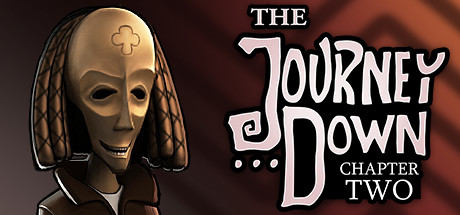
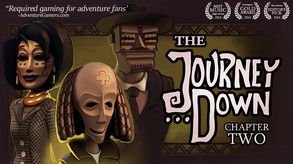
Developed and published by SkyGoblin, The Journey Down: Chapter Two is an excellent continuation of the studio's episodic adventure series, delivering a more expansive and emotionally engaging experience than its predecessor. Picking up immediately after the first chapter, the game follows Bwana, Kito, and Lina as they venture beneath the Edge in search of the mythical Underland while unraveling the mystery surrounding Bwana's missing father. Their investigation leads them to the gloomy harbor settlement of Port Artue, a place filled with corruption, hidden agendas, and colorful personalities. The sequel successfully broadens both the scope of the narrative and the world itself, making the journey feel like a meaningful progression rather than simply another episode.
One of the game's defining qualities is its remarkable visual style. Drawing inspiration from African art, Afro-Caribbean culture, and classic adventure games, every environment is filled with distinctive architecture, expressive character designs, and richly painted scenery. Port Artue's mist-covered streets, busy docks, and mysterious underground passages create an atmosphere that constantly encourages exploration. The game's artistic direction remains one of its strongest assets because it embraces a cultural identity rarely seen in the genre, giving every location its own memorable appearance while maintaining consistency throughout the adventure.
The story becomes far more ambitious than before, weaving together personal drama, political intrigue, ancient legends, and dangerous conspiracies. Rather than relying solely on puzzle-solving, the narrative keeps players invested through well-paced revelations and believable character development. Bwana continues to evolve from an easygoing mechanic into a determined hero, while Kito's humor and intelligence provide balance during tense situations. Lina also receives greater importance throughout the story, becoming an active participant in uncovering secrets instead of merely supporting the group's efforts. Their chemistry makes conversations entertaining, and the dialogue strikes an effective balance between comedy and suspense.
Gameplay follows the traditional point-and-click adventure formula, emphasizing exploration, inventory management, environmental interaction, and conversations with a diverse cast of characters. The puzzles generally feel fair because they reward careful observation and logical thinking instead of relying on random experimentation. Players frequently revisit familiar areas with newly acquired items or information, gradually unlocking additional paths and solutions that keep the adventure engaging. The game respects the intelligence of its audience by encouraging thoughtful problem-solving without becoming unnecessarily cryptic, making progression satisfying for both longtime adventure fans and newcomers.
The supporting cast and world-building significantly enrich the overall experience. Nearly every character encountered has a unique personality, contributing either useful information, humorous dialogue, or memorable side interactions that make Port Artue feel like a living community. The setting itself is layered with small environmental details that reinforce the game's themes of secrecy, exploitation, and hidden history. Exploring these locations never feels repetitive because each area introduces fresh interactions, interesting puzzles, and subtle narrative clues that steadily build toward larger revelations.
Presentation is elevated further by impressive voice acting and an outstanding musical score. Every major character is fully voiced with convincing performances that enhance emotional scenes while reinforcing the game's playful humor. The soundtrack blends jazz, reggae, and traditional African influences into compositions that perfectly complement the game's unique atmosphere. Whether exploring quiet streets, navigating tense encounters, or uncovering long-forgotten mysteries, the music consistently enhances the mood without overwhelming the experience. Combined with polished sound effects and ambient audio, the world feels immersive from beginning to end.
Although Chapter Two excels in most areas, it still carries some of the limitations associated with classic adventure games. Certain puzzles may require additional backtracking, and players unfamiliar with the genre might occasionally spend time searching for overlooked clues or dialogue options. Additionally, because this installment serves as the middle chapter of a larger trilogy, several important story threads intentionally remain unresolved, leaving players eager to continue into the final chapter for complete closure. Fortunately, the game delivers enough satisfying developments to make the journey worthwhile despite its episodic structure.
The Journey Down: Chapter Two succeeds because it improves nearly every aspect of the original while preserving the charm that made the series appealing. Its imaginative world, memorable characters, rewarding puzzles, distinctive visual identity, and engaging storytelling combine to create an adventure that stands comfortably among the better modern point-and-click titles. Rather than relying on nostalgia alone, it introduces enough originality through its setting and cultural influences to establish its own identity. Players looking for a story-driven adventure filled with humor, mystery, and thoughtful exploration will find this chapter to be a highly rewarding experience that builds excitement for the conclusion of the trilogy.
Rating: 9./10