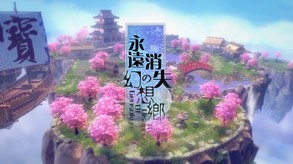
"The Disappearing of Gensokyo" is a Touhou Project doujin game from MyACG Studio, a Chinese doujin game fan circle. We have re-imagined Touhou as an ARPG, creating this "Danmaku-Shooting-ARPG". We hope this game will be a good experience for those who are both new and knowledgeable of Touhou!
Modeled estimate, not a reported figure. How we estimate →
Media

About

Genres
Stats
All-time low is the lowest price we've recorded for this game since we started tracking it.
Languages: English, Simplified Chinese, Japanese, Korean
Engagement
Hours played at review time, across 40 reviews with recorded playtime.
Reviews
Themes across 40 recent reviews and how positive each mention is. A keyword signal, not full sentiment analysis.
positive critical· bar length = how often the theme comes up
Reviews
[h3] 无法推荐 [/h3] 不要被2000+的好评骗到了: 这不是欢乐向轻松爽玩的同人游戏,这是[b] 魂游 [/b] 即便是简单难度[spoiler] 您猜我为什么玩简单难度( [/spoiler],本作的难度也是高的吓人。 本作敌人随着关卡提升,数值会越来越高,但玩家本身是几乎没有成长的。这就导致打到中期,基本所有敌人都能秒你。 同时,敌人的招式,自然也是随着关卡提升越来越变态。你不但更难躲了,而且被打的更痛。 再同时,玩家是没有无敌时间的,而且受击会造成一个很大的硬直。从而导致你吃到第一发,百分百会吃第二发,一直吃到死。 再再同时,敌人弹幕的判定体积要比实际大小要大(也可能是玩家模型的碰撞体积比实际要大),很多时候会死的莫名其妙。 想要相对轻松的通关?很好,花¥7.5买带妖梦的DLC,不充值还想变强?不买这个DLC连打高难度的资格都没有。 以上,绝对不推荐。
⠀⠀⠀⠀⠀⠀⠀⠀⠀⠀⠀⠀⠀⠀⠀⠀⠀⠀⠀⠀⠀⠀⠀⠀⠀⢀⣤⣶⣿⣿⣿⣿⣿⣿⣿⣿⣿⣿⣿⣿⣷⡦⣄⠀⠀⠀⠀⠀⠀⠀⠀⠀⠀⠀⠀⠀⠀⠀⠀⠀⠀⠀⠀⠀⠀ ⠀⠀⠀⠀⠀⠀⠀⠀⠀⠠⣴⠒⠒⠒⠒⠒⠲⠤⣄⡀⠀⠀⠀⣠⣾⣿⣿⣿⣿⣿⣿⣿⣿⣿⣿⣿⣿⣿⣿⣿⣿⣿⣿⣿⣦⡀⣠⠴⠒⠋⡟⠀⠀⠀⠀⠀⠀⠀⠀⠀⠀⠀⠀⠀⠀ ⠀⠀⠀⠀⠀⠀⠀⠀⠀⠀⠈⠑⢦⡀⠀⠀⠀⠀⠀⠙⠦⣀⣼⣿⠿⠛⠛⠻⢿⣿⣿⣿⣿⣿⣿⣿⣿⣿⣿⣿⣿⣿⣿⣿⣿⣿⣶⠋⠉⠓⢧⡀⠀⠀⠀⠀⠀⠀⠀⠀⠀⠀⠀⠀⠀ ⠀⠀⠀⠀⠀⠀⠀⠀⠀⠀⠀⠀⠀⠉⢢⡀⢀⡠⣤⠖⠒⠛⢿⡁⠀⠀⠀⠀⠀⠈⢿⣿⣿⣿⣿⣿⣿⣿⣿⣿⣿⣿⣿⣿⣿⣿⣿⣧⠀⠀⠀⠹⣄⣀⠀⠀⠀⠀⠀⠀⠀⠀⠀⠀⠀ ⠀⠀⠀⠀⠀⠀⠀⠀⠀⢀⣠⠴⠒⠊⠉⢩⠏⠀⠃⠀⠀⠀⠀⠘⣆⢀⣀⣤⣴⣶⣾⣿⣿⣿⣿⣿⣿⣿⣿⣿⣿⣿⣿⣿⣿⣿⣿⣿⣷⣦⣤⣀⢳⠈⠙⠲⣄⠀⠀⠀⠀⠀⠀⠀⠀ ⠀⠀⠀⠀⠀⠀⠀⣠⠔⠋⠀⠀⠀⠀⠀⡞⠀⠀⠀⠀⢀⣠⣴⣶⣿⣿⣿⡿⠿⠿⠛⠛⠉⠉⠉⠀⡆⠀⠀⠀⠀⡀⠀⠀⠉⠹⣿⣿⣿⣿⣿⣿⣿⣶⣤⣀⣀⣳⡄⠀⠀⠀⠀⠀⠀ ⠀⠀⠀⠀⠀⣠⠞⠁⢀⣀⣀⣀⠀⠀⠀⠸⣀⣠⣴⣾⣿⣿⣿⣿⢿⠟⠉⠀⠀⢠⠀⠀⠀⠀⠀⢀⡇⠀⠀⠀⠀⢸⠀⠀⠀⠀⠘⣿⣿⣿⣿⣿⣿⣿⣿⣿⣦⡀⠀⠀⠀⠀⠀⠀⠀ ⠀⠀⠀⠀⠀⠋⠉⠉⠁⠀⠀⠈⠉⠉⣳⣶⣿⣿⣿⣿⣿⡟⠋⣰⠋⠀⠀⡆⠀⡞⠀⠒⢤⣀⡴⢻⢱⠀⠀⠀⠀⢸⠀⠀⠀⠀⠀⠈⢿⣿⣿⣿⣿⣿⣿⣿⣿⡇⠀⠀⠀⠀⠀⠀⠀ ⠀⠀⠀⠀⠀⠀⠀⠀⠀⠀⠀⠀⣠⣾⣿⣿⣿⣿⣿⣿⡿⠀⢰⠃⠀⢀⣴⠃⢸⣃⣀⡤⠞⠉⠳⣼⠀⣇⠀⠀⠀⢸⡆⠀⠀⠀⠀⠰⡌⢿⣿⣿⣿⣿⣿⣿⣿⠇⠀⠀⠀⠀⠀⠀⠀ ⠀⠀⠀⠀⠀⠀⠀⠀⠀⠀⠀⢸⣿⣿⣿⣿⣿⣿⣿⡿⠁⠀⣸⠀⢠⡞⡿⠐⢺⣿⣹⣿⣿⣶⣄⠈⡗⡿⡄⠀⠀⢸⢹⡀⠀⠀⠀⠀⢳⣌⠻⣿⣿⣿⣿⡿⠋⠀⠀⠀⠀⠀⠀⠀⠀ ⠀⠀⠀⠀⠀⠀⠀⠀⠀⠀⠀⠸⣿⣿⣿⣿⣿⣿⡿⠁⠀⠀⣸⢰⡏⡇⡇⠀⢸⡃⡏⠹⠛⡇⠈⠃⠹⣇⠙⣄⠀⢺⣉⣯⢩⠐⠀⠀⢸⣿⣷⣿⣿⣟⠉⠀⠀⠀⠀⠀⠀⠀⠀⠀⠀ ⠀⠀⠀⠀⠀⠀⠀⠀⠀⠀⠀⠀⠈⠻⢿⣿⣿⡿⠁⠀⠀⠀⡏⡏⣧⡇⡇⢄⠀⢏⠙⠒⠊⠀⠀⠀⠀⠙⣆⠈⣲⣟⣿⠻⣿⡀⠀⠀⡜⠛⠉⠁⠀⠉⠑⠒⠀⠀⠀⠀⠀⠀⠀⠀⠀ ⠀⠀⠀⠀⠀⠀⠀⠀⠀⠀⠀⠀⠀⠀⠀⢈⡟⠀⠀⠀⠀⢰⡇⠃⣿⣷⢳⠈⡗⠮⢦⠀⠀⢀⠀⠀⠀⠀⢈⠀⠟⢻⠟⣴⣿⢻⠀⣸⢱⠀⠀⠀⠀⠀⠀⠀⠀⠀⠀⠀⠀⠀⠀⠀⠀ ⠀⠀⠀⠀⠀⠀⠀⠀⠀⠀⠀⠀⡖⡆⢠⠞⠀⢠⠟⡇⠀⢸⡇⣸⣿⣿⡎⢧⣷⠀⠀⠀⠀⡟⠚⠉⠒⢦⣈⠀⠙⠒⣽⢟⡇⠀⡴⢹⣸⠀⠀⠀⠀⠀⠀⠀⠀⠀⠀⠀⠀⠀⠀⠀⠀ ⠀⠀⠀⠀⠀⠀⠀⠀⠀⠀⠀⠀⡆⢱⠋⠀⠀⣼⠀⡇⠀⣸⢧⣿⣿⣿⣷⠀⠛⢧⠀⠀⠀⡇⠀⠀⠀⡴⠃⠀⢀⣼⣿⡼⣡⠞⡅⢸⠇⠀⠀⠀⠀⠀⠀⠀⠀⠀⠀⠀⠀⠀⠀⠀⠀ ⠀⠀⠀⠀⠀⠀⠀⠀⠀⠀⠀⠀⣇⠀⢧⠀⠀⡇⠀⡇⠀⣿⠟⠛⠿⣿⣿⡆⠀⠈⣆⠐⢤⣀⠀⠀⠋⣀⣠⣴⣿⣿⣿⣟⠁⠀⣳⡏⠀⠀⠀⠀⠀⠀⠀⠀⠀⠀⠀⠀⠀⠀⠀⠀⠀ ⠀⠀⠀⠀⠀⠀⠀⠀⠀⠀⠀⡴⠹⡄⠸⣆⡴⡇⠀⣗⠚⠓⠂⠀⠀⠈⣿⣽⡀⠀⠘⡦⣬⡿⣷⣿⣿⣿⣿⣿⣿⣿⣿⣿⡤⠞⠁⠳⡀⠀⠀⠀⠀⠀⠀⠀⠀⠀⠀⠀⠀⠀⠀⠀⠀ ⠀⠀⠘⢿⡒⠢⢤⣀⠀⢀⡼⠁⠀⢧⠀⢻⠀⡇⠀⢹⠀⠀⠀⠀⠀⠀⠸⣷⣳⡀⠀⢸⣶⣿⣦⠙⠻⣿⣿⣿⣿⣿⣿⣿⣿⡄⠀⠀⢱⣄⠀⠀⠀⠀⠀⠀⠀⠀⠀⠀⠀⠀⠀⠀⠀ ⠀⠀⠀⠀⠙⠢⢄⣀⠉⠛⠦⣄⣀⡸⡄⠀⢧⡇⠀⢸⣺⡉⡧⠤⡀⠀⠀⠳⡳⣷⡀⠀⠘⣿⣿⣧⣾⣾⣿⣿⣿⣿⣷⢻⣿⣿⣄⠀⠀⢻⣦⠀⠀⠀⠀⠀⠀⠀⠀⠀⠀⠀⠀⠀⠀ ⠀⠀⠀⠀⠀⠀⠀⢨⠟⠲⢤⣀⠀⠉⠁⠀⠀⠁⠀⠘⣿⢿⣷⡓⣧⡀⠀⢳⠹⣝⢷⣄⠀⠘⣯⣽⣟⣿⡛⠻⠿⣟⣿⠘⣏⠻⠛⢦⡀⠀⢻⡳⡀⠀⠀⠀⠀⠀⠀⠀⠀⠀⠀⠀⠀ ⠀⠀⠀⠀⠀⠀⣠⠋⣀⣤⠴⠚⠁⠀⠀⠀⠀⠀⠀⠀⠈⢧⣻⣷⢸⡇⠀⢸⠀⢸⣷⣝⠷⠀⠘⣿⣷⣿⣿⣷⣆⣿⣿⠀⢿⡄⠀⠀⠙⢦⡈⢷⠙⣆⠀⠀⠀⠀⠀⠀⠀⠀⠀⠀⠀ ⠀⠀⠀⠠⠶⣖⣋⣉⣁⡤⠤⢶⣆⠀⠀⠀⠀⠀⠀⠀⠀⠀⠙⠻⣿⠃⠀⢸⠀⠀⠀⠈⣽⣶⣦⡟⣿⣿⣿⣿⡿⣇⢻⡀⢸⣿⡀⠀⠀⠈⢻⡾⣧⠈⢧⡀⠀⠀⠀⠀⠀⠀⠀⠀⠀ ⠀⠀⠀⢀⡼⠁⠀⠀⠀⠀⠀⠀⢈⡷⢦⡤⠤⠤⠠⣄⣀⣀⣀⠀⠈⠓⢶⣋⠀⠀⠀⠸⣧⣬⣿⡇⠸⣿⣽⡇⠀⣘⣞⣿⠀⡟⣧⠀⠀⠀⠀⠱⡜⡄⠀⡷⡀⠀⠀⠀⠀⠀⠀⠀⠀ ⠀⠀⢀⠞⠀⠀⠀⠀⠀⠀⡀⠴⣿⠃⠀⠙⠦⣄⣀⣀⡴⠚⣟⠙⠒⠦⠤⠽⠇⠀⠀⠀⠀⠀⡏⡇⠀⢹⣿⣿⣩⣽⡛⣿⠀⢿⢻⣄⢀⠀⠀⠀⠈⢇⠀⢸⢿⡄⠀⠀⠀⠀⠀⠀⠀ ⠀⣠⠋⠀⣰⠂⠀⣠⠔⠋⠀⢠⠇⠀⠀⠀⠀⠀⠀⣾⢀⣾⠸⡄⢠⠀⠀⠀⠀⠀⠀⠀⠀⠸⣧⠇⠀⠀⣿⣿⠁⠀⢹⣿⠀⢸⠘⣿⡌⠳⣄⠀⠀⢸⠀⣧⡈⢷⠀⠀⠀⠀⠀⠀⠀ ⡴⠃⠀⢠⡏⡠⠞⠁⠀⠀⢀⡏⠀⠀⠀⠀⠀⠀⢸⣏⡞⡏⠀⢳⡏⠀⠀⠀⠀⢠⠇⠀⠀⢠⢟⣠⠞⣠⣷⣿⠶⠯⣿⢸⣆⢸⡄⢿⣷⠀⠈⠙⢦⡸⣸⠁⠉⠺⣇⠀⠀⠀⠀⠀⠀ ⠀⠀⢀⡿⠋⠀⠀⠀⠀⠀⡞⠀⠀⣀⣀⣀⣀⣀⣿⡿⠀⡇⠀⡼⠀⠀⠀⠀⠀⡜⠀⠐⠚⠉⣹⡭⠟⣿⣿⣿⡇⠀⢸⠸⡘⣦⡇⢸⢯⣇⠀⠀⢠⡷⡗⠢⣄⣀⡏⢽⡦⣀⠀⠀⠀ ⠀⠀⢸⠁⠀⠀⠀⠀⠀⡼⠁⠀⠰⡇⠀⠀⠀⠀⠈⠉⠙⠓⢶⠃⠀⠀⠀⠀⢸⠃⠀⢀⡴⠃⢧⠖⣒⣿⡿⣿⣗⣤⡏⠀⠇⠹⣳⡄⡏⢿⡄⠴⠋⠀⠹⣄⡠⠞⠑⠢⢝⣎⠑⠦⣀ ⠀⠀⡆⠀⠀⠀⠀⠀⡼⠁⠀⣰⠀⡇⠀⠀⠀⠀⠀⠀⠀⢀⡏⠀⠀⠀⠀⢀⡏⢀⡴⠋⠀⠀⡞⠛⠋⣿⣷⣿⡇⠀⡸⠀⠀⠀⢷⠙⣇⠈⢧⠀⠀⠀⠀⢱⠀⠀⠀⠀⠀⠉⢧⠀⠀ ⠀⢸⠀⠀⠀⠀⢀⡜⠁⠀⢠⡇⠀⠹⡀⠀⡀⠀⠀⠀⠀⢸⠁⠀⠀⠀⠀⣼⣴⠋⠀⢀⡴⠚⢳⣠⠔⠛⠛⠛⢇⣸⢥⡀⠀⢀⡼⠀⠈⢧⡘⡆⠀⠀⠀⠈⣇⠀⠀⠀⠀⠀⠈⡆⠀ ⠀⡜⠀⠀⠀⢠⠞⠀⠀⢀⣾⡇⠀⠀⢹⡞⠁⠀⠀⠀⠀⠘⢦⣀⠀⠀⡼⠋⠈⠉⠛⠉⠀⠀⠀⠀⠀⠀⠀⠀⠀⠀⠀⠉⠳⡟⣦⡀⠀⠀⠹⣼⡀⠀⠀⠀⢸⠀⠀⠀⠀⠀⠀⡇⠀ ⠀⠇⠀⠀⡴⠋⠀⠀⢀⠼⢻⠇⠀⢠⠏⠀⠀⠀⠀⠀⠀⠀⠀⠈⠙⢺⣡⣤⡴⠒⠒⠒⠒⠒⠒⠒⠒⠲⠤⠤⢤⣀⣀⠀⢸⠱⡇⠙⢳⣄⠀⠘⠓⠦⢤⣀⠘⡇⠀⠀⠀⠀⠀⡇⠀ ⠀⡇⣠⠞⠁⢀⣠⠔⠋⠀⢸⡀⠀⡞⣀⡤⠤⠤⠴⠒⠒⠒⢛⣿⣿⣿⣿⣿⡇⠀⠀⠀⠀⠀⠀⠀⠀⠀⠀⠀⠀⠀⠈⠉⠛⠧⣽⡄⢸⠈⠱⣄⠀⠀⠀⠈⢿⡳⢤⠀⠀⠀⠀⡇⣀ ⠀⡿⠵⠒⠚⠉⠀⠀⠀⠀⠈⡇⢰⢷⠃⠀⠀⢀⣀⣠⣼⠋⠉⠉⠉⠁⢠⣿⣿⡄⠀⠀⠀⠀⠀⠀⠀⠀⠀⠀⠀⠀⠀⠀⠀⠀⠈⠓⢾⡀⠀⠈⠻⣗⡲⠤⣀⠙⣎⢧⠀⠀⠸⠚⠁ ⠀⣇⠀⠀⠀⠀⠀⠀⠀⠀⠀⢇⠘⠗⣲⠞⠉⠉⢀⣾⠇⠀⠀⠀⠀⠀⣸⣿⡏⢿⡄⠀⠀⠀⠀⠀⠀⠀⠀⠀⠀⠀⠀⠀⠀⠀⠀⠀⠀⠙⢦⡀⠀⣷⢣⢿⢸⣧⣘⡎⡇⠀⠀⠀⠀ ⠀⢸⠀⠀⠀⠀⠀⠀⠀⠀⠀⠸⣄⡼⠁⠀⢀⣴⣿⣿⠀⠀⠀⠀⠀⠀⣿⣿⣇⢸⡇⠀⠀⠀⠀⠀⠀⠀⠀⠀⠀⠀⠀⠀⠀⠀⠀⠀⠀⠀⠀⠙⢦⣿⢯⢏⡞⡏⡼⡇⡇⠀⠀⠀⠀ ⠀⠀⢧⠀⠀⠀⠀⠀⠀⠀⣠⠴⠋⠀⣀⣤⣿⣿⣿⡇⠀⠀⠀⠀⠀⢰⣿⣿⣿⣴⡇⠀⠀⠀⠀⠀⠀⠀⠀⠀⠀⠀⠀⠀⠀⠀⠀⠀⠀⠀⠀⠀⠀⠙⣟⢯⣴⣧⠃⠹⣽⠀⠀⠀⠀ ⠓⢤⡈⢦⠀⠀⠀⣀⡤⠚⠁⢀⣤⣾⣿⣿⣿⣿⣿⡇⠀⠀⠀⠀⠀⣸⣿⣿⣿⣿⠃⠀⣰⡿⣛⠻⣷⡄⠀⠀⠀⠀⠀⠀⠀⠀⠀⠀⠀⠀⠀⠀⠀⠀⠈⢳⡈⠛⢦⣀⠀⠀⠀⠀⠀ ⠀⠀⠉⣚⣷⣴⡚⠁⠀⣀⣴⣿⣿⣿⣿⣿⣿⣿⣿⡇⢀⣠⣤⣶⣿⣿⣿⣿⣿⣿⣧⠀⠿⠸⠿⠀⢸⡇⠀⠀⠀⠀⠀⠀⠀⠀⠀⠀⠀⠀⠀⠀⠀⠀⠀⠀⠹⣤⣤⣬⠷⡄⠀⠀⠀ ⠀⠀⠛⠥⢄⣀⠉⣩⣿⣿⣿⣿⣿⣿⣿⣿⣿⣿⣿⠟⠻⢿⣿⣿⣿⣿⣿⣿⣿⣿⣿⣧⠀⠀⠀⣠⣿⠃⠀⠀⠀⠀⠀⠀⠀⠀⠀⠀⠀⠀⠀⠀⠀⠀⠀⠀⠀⣿⣏⠀⠀⠘⢦⠀⠀ ⠀⠀⠀⠀⠀⣸⣾⣿⣿⣿⣿⣿⣿⣿⣿⣿⣿⣿⡿⠀⠀⠀⠈⠉⠛⠿⣿⣿⣿⣿⣿⣿⣿⣶⣿⠿⢻⠀⢀⣶⠶⣶⣄⠀⠀⠀⠀⠀⠀⠀⠀⠀⠀⠀⠀⠀⠀⠘⠿⣆⠀⠀⠀⠳⣄ ⠀⠀⠀⢀⣴⣿⣿⣿⣿⣿⣿⣿⣿⣿⣿⣿⣿⣿⠃⠀⠀⠀⠀⠀⠀⠀⠀⠉⠛⠻⢿⣿⣿⣿⣿⣶⣼⡇⠸⡇⢴⡆⣿⡆⠀⠀⠀⠀⠀⠀⠀⠀⠀⠀⠀⠀⢀⣴⢶⣼⣆⠀⠀⠀⢹ ⠀⠀⣰⣿⣿⣿⣿⣿⣿⣿⣿⣿⣿⣿⣿⣿⣿⣟⡀⠀⠀⠀⠀⠀⠀⠀⠀⠀⠀⠀⢸⣿⣿⣿⣿⣿⣿⣿⣦⣀⣀⣴⣿⡇⠀⠀⠀⠀⠀⠀⠀⠀⠀⠀⠀⠀⣾⡇⠿⠛⣿⠀⠀⠀⢸ ⠚⠉⣉⡥⠞⠛⠉⠙⠛⠿⣿⣿⣿⣿⣿⣿⣿⣿⣿⣶⣤⣀⠀⠀⠀⠀⠀⠀⠀⠀⣾⣿⣿⣿⣿⣿⣿⣿⣿⣿⣟⣿⡿⠃⣴⡾⠻⢶⣄⠀⠀⠀⠀⠀⠀⠀⢿⣿⣦⣾⣿⠀⠀⣀⣼ ⠖⠋⠁⠀⠀⠀⠀⠀⠀⠀⠀⠈⠙⠿⣿⣿⣿⣿⣿⣿⣿⣿⣿⣶⣤⣄⡀⠀⠀⢀⣿⣿⣿⣿⣿⣿⣿⣿⣿⣿⣿⣿⣦⡀⣿⡇⢰⡶⣿⢀⣤⣤⣄⠀⠀⠀⠈⠛⠛⣿⣿⡷⠛⠻⢿ ⠀⠀⠀⠀⠀⠀⠀⠀⠀⠀⠀⠀⠀⢀⣨⠽⣿⣿⣿⣿⣿⣿⣿⣿⣿⣿⣿⣷⣶⡼⠿⣿⣿⣿⣿⣿⣿⣿⣿⣿⣿⣿⣿⣿⣿⣿⣄⠀⠛⠈⢁⣹⣿⣇⣴⠶⠲⣶⣼⣿⣿⡇⠀⠀⢸ ⠉⠉⠓⠢⣄⡀⠀⠀⠀⠀⢀⠄⠈⠉⠀⣰⠁⠙⣿⣿⣿⣿⣿⣿⣿⣿⣿⣿⣿⡇⠀⠀⠀⠀⠀⠈⠉⠉⠉⠉⠉⢹⣿⣿⣿⣿⣿⣿⣶⣾⣿⣿⣿⣿⣁⣿⣿⣿⣿⣿⣿⠀⠀⠀⢸ ⠽⠋⠉⠉⠉⠙⣆⠀⠀⡴⠁⠀⠀⢀⣴⡣⠔⠚⠉⠻⣿⣿⣿⣿⣿⣿⣿⣿⣿⡇⠀⠀⠀⠀⠀⠀⠀⠀⠀⠀⠀⠀⣿⣿⣿⣿⣿⣿⣿⣿⣿⣿⣿⣿⣿⣿⣿⣿⣿⣿⡇⠀⠀⠀⢸ ⠀⠀⠀⠀⠀⠀⠸⡄⠈⠙⠒⢒⡯⠟⠉⠀⠀⠀⠀⠀⠘⢿⣿⣿⣿⣿⣿⣿⣿⡇⠀⠀⠀⠀⠀⠀⠀⠀⠀⠀⠀⠀⣿⣿⣿⣿⣿⣿⣿⣿⣿⣿⣿⣿⣿⣿⣿⣿⣿⣿⠀⠀⠀⠀⢸ ⡀⠀⠀⠀⠀⠀⠀⣇⠀⠀⢠⠶⢤⡀⠀⠀⠀⠀⠀⠀⠀⠈⡿⣿⣿⣿⣿⣿⣿⣿⣶⣶⣤⣤⣤⣀⣀⣀⣀⣀⣀⣀⣿⣿⣿⣿⣿⣿⣿⣿⣿⣿⣿⣿⣿⣿⣿⣿⣿⠇⠀⠀⠀⠀⢸ ⠏⢳⡀⠀⠀⠀⠀⠘⢦⣀⠞⠀⠀⠙⢦⠀⠀⠀⠀⠀⠀⠀⡇⠈⢻⣿⣿⣿⣿⣿⣿⣿⣿⣿⣿⣿⣿⣿⣿⣿⣿⣿⣿⣿⣿⣿⣿⣿⣿⣿⣿⣿⣿⣿⣟⣻⣿⣿⣿⣶⣦⣄⣀⡀⢸
While I somewhat had fun with this game at times I would not recommend it. It is strongly lacking in QoL as for example there are no i-frames so you can just get comboed into oblivion relatively easily. The story was alright but I did not find myself particularly interested in it or reading the wall of text notes scattered about and I also found it hard to pay attention to the story at times due to how dialog can appear in the middle of combat when I'm focused on the fighting. The majority of jokes in the story I did not find funny as well. The English translation felt awkward to read through which I think also played part in my dwindling interest in the story. I found myself rushing through the game and only bothering to get one ending along with not focusing too hard on collecting the golden runes needed to unlock permanent buffs. There were also times where audio was either too quiet or too loud. I like the art of the game and the 3d models are cute. The gameplay is unique and I did somewhat have fun with it at times I found it annoying at the same time. The difficulty spikes hard at certain boss fights then drops back down to the usual difficulty of the game and while I did not mind this and actually had some fun with most of the boss fights as I learned them I can see how this could put people off from the game. The main annoyance I had with the gameplay is that I can tell it was balanced around the rather annoying shield health system and while I did have fun with the bosses the shield system made fights feel drawn out at times. You have a shield that regenerates over time when out of combat or when not hit for a duration and when your shield breaks you're left with one hit of health or you die. This pretty much means you're stuck sitting around waiting and dodging if you get hit too many times and certain bosses will very quickly drain your health when paired with the lack of i-frames the game has. The dash system is supposed to make dodging easier but I found it clunky at times and that it does not regenerate fast enough in my opinion to compensate for the lack of i-frames and the awkward balancing the game has due to the shield system. Each character playing uniquely is fun but the DLC characters are noticeably very strong compared to the normal characters (I assume the normal characters can become on par with the DLC characters if you grind to upgrade them but as stated prior I rushed through the game) which I feel is something you should be aware of. Grinding looks like it would've been a somewhat slow process with the amount of blue points you earn per level. In terms of bugs the game did not have any lag for me but I ran into times where I would pause and the game would softlock and would be frozen with no way to resume playing aside from using task manager and reopening the game which was very annoying to deal with when it would happen considering quitting would make you need to play a stage from the very beginning. I do not mind quitting requiring you to play a stage from the beginning as the stages in this game are not particularly long but it was still annoying to lose progress like that. Overall I found this game mediocre which makes me sad as I can tell this game had a lot of love put into it with how each character plays unique, the cute art, and the cute models. I can't say I'd recommend this game even if I somewhat had fun with it at times.
Koishi check : DLC
永远消失的幻想乡 ~ The Disappearing of Gensokyo is a fan-made reinterpretation of the Touhou Project universe that deliberately steps away from the series’ traditional vertical bullet-hell shooter format and instead reshapes its core ideas into an isometric action RPG. Developed and published by MyACG Studio, the game stands as both a love letter to Gensokyo and an experiment in genre fusion, attempting to preserve the intensity and identity of danmaku combat while framing it within exploration, character progression, and real-time action. From the outset, it makes clear that it is not trying to replace the classic Touhou experience, but rather reimagine how its familiar chaos and charm might function in a different mechanical context. The story follows the familiar Touhou tradition of an “incident” disrupting the balance of Gensokyo, but with a notable twist: Hakurei Reimu, the shrine maiden who usually resolves these crises, is missing. This absence shifts the narrative focus onto other well-known characters, giving them space to step into more active roles. The plot itself is light and episodic, serving primarily as connective tissue between stages and encounters, but it remains steeped in Touhou’s established lore and tone. For fans, this familiarity creates an immediate sense of place, while newcomers may find the narrative somewhat opaque, as it assumes at least a passing knowledge of the setting and its characters. Gameplay is where the title truly defines itself. Combat blends twin-stick shooting sensibilities with action RPG mechanics, requiring players to constantly move, dodge, and attack while navigating dense patterns of enemy fire. Bullet-hell principles are fully intact, with bosses unleashing intricate danmaku patterns that demand spatial awareness and pattern recognition. At the same time, the ARPG structure introduces character skills, upgrades, and progression systems that soften the rigidity of traditional Touhou difficulty. Health regeneration and stat growth make the game more forgiving, lowering the barrier to entry for players who might find classic Touhou shooters overwhelming while still offering enough challenge to keep experienced players engaged. The roster of playable characters is another highlight. Each character comes with distinct abilities, attack styles, and movement options, encouraging experimentation and replayability. Some characters excel at close-range combat, others at ranged suppression or mobility, subtly altering how encounters feel even when revisiting the same stages. Additional characters available through downloadable content further expand this variety, appealing to dedicated fans who enjoy mastering different playstyles. While balance can occasionally feel uneven between characters, the diversity adds longevity and keeps combat from becoming monotonous. Visually, the game adopts a clean isometric perspective that prioritizes clarity during combat. Environments are recognizable interpretations of iconic Gensokyo locations, presented with enough detail to evoke their identity without cluttering the screen. This readability is crucial, as the sheer volume of bullets on screen demands clear visual separation between enemies, projectiles, and the player character. Animations are functional rather than flashy, but they communicate attacks and movement effectively, ensuring that deaths feel earned rather than confusing. Complementing the visuals is a soundtrack that captures the energetic and melodic spirit associated with Touhou arrangements, reinforcing the sense of intensity during boss fights and adding emotional texture to quieter moments. In terms of pacing and structure, the game strikes a middle ground between a short action romp and a sprawling RPG. A full playthrough typically spans several hours, with optional content and character experimentation extending that time further. Difficulty spikes do exist, particularly during certain boss encounters, and opinions vary on whether these moments enhance the challenge or disrupt the flow. Some players appreciate the tension these spikes introduce, while others feel that the regenerative health system can undermine the purity of bullet-hell design by encouraging attrition rather than mastery. Community reception reflects this duality. Many players praise the game for its creativity, accessibility, and evident passion for the Touhou universe, noting that it offers a refreshing way to experience familiar characters and settings. Others critique aspects of balance, pacing, and presentation, or feel that the hybrid design never fully commits to either genre. Still, the overall sentiment tends to be positive, particularly among Touhou fans who value seeing the franchise interpreted through new mechanical lenses. Ultimately, 永远消失的幻想乡 ~ The Disappearing of Gensokyo succeeds as a distinctive fan project that dares to reinterpret a beloved series without losing sight of what makes it special. It may not satisfy purists seeking the exact tension and precision of traditional Touhou shooters, nor will it rival large-scale ARPGs in depth or polish. However, its energetic combat, varied characters, and respectful handling of Gensokyo’s world give it a clear identity. For players interested in a bullet-hell-infused action RPG and for fans eager to experience Touhou from a fresh perspective, it offers a rewarding and characterful journey through a disappearing fantasy land. Rating: 8/10
Absolute Tenshi https://www.youtube.com/watch?v=FFLOT2pO3NE
快跑,游戏性体验一坨屎,别买。 什么叫一个躲大量弹幕的游戏被打中就会被击退+硬直,我都怀疑制作组当时做这款游戏的时候是不是都没接触过东方原作游戏,切新的符卡后上一个符卡的攻击弹幕还会保留着一段时间是人想出来的设计吗
This game seemed promising: - but the gunplay isn't fun - its genuinely way to difficult - the story is a confusing and not immersive, i genuinely started ignoring the walls of texts after stage 4 - the last sigil in the human village stage is utter bs - The Remilia fight is just... ♥♥♥♥♥♥♥... horrible... and unfair Save yourself the time and avoid the game
Тут есть я, но только лишь в платном ДЛС
还可以,就是有点难,如果不买dlc的话
Related
Related
Trends
Modeled estimate over time, reconstructed from Steam's monthly review histogram.
Momentum
Pace estimated from the game's recent review growth (our daily snapshots) at its own sales-per-review ratio — a momentum signal, not booked sales.
Audience
Estimated from the language of this game's reviews — a proxy for where players are, not official Steam demographics.
Related
| 7 Days to Die | $425.3M | 403.5K | 87% | $44.99 |
| Palworld | $279.6M | 445.8K | 94% | $20.99 |
| Terraria | $187.5M | 1.5M | 97% | $9.99 |
| Don't Starve Together | $164.6M | 539.5K | 95% | $14.99 |
| ARK: Survival Evolved | $92.2M | 773.1K | 83% | $9.89 |
Related
| Manga Maker Comipo | $828.4K | 761 | 77% | $49.99 |
| Zanki Zero: Last Beginning | $827.7K | 648 | 77% | $59.99 |
| Trigon: Space Story | $828.8K | 1.4K | 68% | $19.99 |
| Ship, Inc. | $828.9K | 2.3K | 84% | $9.99 |
| Silent Hill Homecoming | $829K | 3.9K | 48% | $7.99 |
| Farmer's Dynasty 2 | $827K | 1.2K | 73% | $18.74 |