"The real chess was the friends we made along the way." - Randy Mc'Chess
Modeled estimate, not a reported figure. How we estimate →
Media

About
Genres
Stats
All-time low is the lowest price we've recorded for this game since we started tracking it.
Languages: English
Engagement
Reviews
Themes across 44 recent reviews and how positive each mention is. A keyword signal, not full sentiment analysis.
Reviews
No sacrifice, no win. But this game designed to sacrifice. Almost impossible to win without losing these pieces.
1
Magnus Carlsen wont know what hit him
Related
Related
Trends
Modeled estimate over time, reconstructed from Steam's monthly review histogram.
Hours played at review time, across 44 reviews with recorded playtime.
positive critical· bar length = how often the theme comes up
Stress chess 4 n3wbi Relax chess 4 ch4d ⣿⣿⣿⣿⣿⣿⣿⣿⡿⠿⠛⠛⠛⠋⠉⠈⠉⠉⠉⠉⠛⠻⢿⣿⣿⣿⣿⣿⣿⣿ ⣿⣿⣿⣿⣿⡿⠋⠁⠀⠀⠀⠀⠀⠀⠀⠀⠀⠀⠀⠀⠀⠀⠉⠛⢿⣿⣿⣿⣿ ⣿⣿⣿⣿⡏⣀⠀⠀⠀⠀⠀⠀⣀⣤⣤⣤⣄⡀⠀⠀⠀⠀⠀⠀⠙⢿⣿⣿ ⣿⣿⣿⢏⣴⣿⣷⠀⠀⠀⠀⠀⢾⣿⣿⣿⣿⣿⣿⡆⠀⠀⠀⠀⠀⠀⠈⣿⣿ ⣿⣿⣟⣾⣿⡟⠁⠀⠀⠀⠀⠀⢀⣾⣿⣿⣿⣿⣿⣷⢢⠀⠀⠀⠀⠀⠀⢸⣿ ⣿⣿⣿⣿⣟⠀⡴⠄⠀⠀⠀⠀⠀⠀⠙⠻⣿⣿⣿⣿⣷⣄⠀⠀⠀⠀⠀⠀⠀⣿ ⣿⣿⣿⠟⠻⠀⠀⠀⠀⠀⠀⠀⠀⠀⠀⠶⢴⣿⣿⣿⣿⣿⣧⠀⠀⠀⠀⠀⠀⣿ ⣿⣁⡀⠀⠀⢰⢠⣦⠀⠀⠀⠀⠀⠀⠀⠀⢀⣼⣿⣿⣿⣿⣿⡄⠀⣴⣶⣿⡄⣿ ⣿⡋⠀⠀⠀⠎⢸⣿⡆⠀⠀⠀⠀⠀⠀⣴⣿⣿⣿⣿⣿⣿⣿⠗⢘⣿⣟⠛⠿⣼ ⣿⣿⠋⢀⡌⢰⣿⡿⢿⡀⠀⠀⠀⠀⠀⠙⠿⣿⣿⣿⣿⣿⡇⠀⢸⣿⣿⣧⢀⣼ ⣿⣿⣷⢻⠄⠘⠛⠋⠛⠃⠀⠀⠀⠀⠀⢿⣧⠈⠉⠙⠛⠋⠀⠀⠀⣿⣿⣿⣿⣿ ⣿⣿⣧⠀⠈⢸⠀⠀⠀⠀⠀⠀⠀⠀⠀⠀⠟⠀⠀⠀⠀⢀⢃⠀⠀⢸⣿⣿⣿⣿ ⣿⣿⡿⠀⠴⢗⣠⣤⣴⡶⠶⠖⠀⠀⠀⠀⠀⠀⠀⠀⠀⠀⣀⡸⠀⣿⣿⣿⣿ ⣿⣿⣿⡀⢠⣾⣿⠏⠀⠠⠀⠀⠀⠀⠀⠀⠀⠀⠀⠀⠀⠀⠀⠛⠉⠀⣿⣿⣿⣿ ⣿⣿⣿⣧⠈⢹⡇⠀⠀⠀⠀⠀⠀⠀⠀⠀⠀⠀⠀⠀⠀⠀⠀⠀⣰⣿⣿⣿⣿ ⣿⣿⣿⣿⡄⠈⠃⠀⠀⠀⠀⠀⠀⠀⠀⠀⠀⠀⠀⠀⢀⣠⣴⣾⣿⣿⣿⣿⣿ ⣿⣿⣿⣿⣧⡀⠀⠀⠀⠀⠀⠀⠀⠀⠀⠀⠀⢀⣠⣾⣿⣿⣿⣿⣿⣿⣿⣿⣿ ⣿⣿⣿⣿⣷⠀⠀⠀⠀⠀⠀⠀⠀⠀⠀⠀⢀⣴⣿⣿⣿⣿⣿⣿⣿⣿⣿⣿⣿⣿ ⣿⣿⣿⣿⣿⣦⣄⣀⣀⣀⣀⠀⠀⠀⠀⠘⣿⣿⣿⣿⣿⣿⣿⣿⣿⣿⣿⣿⣿⣿ ⣿⣿⣿⣿⣿⣿⣿⣿⣿⣿⣿⣷⡄⠀⠀⠀⣿⣿⣿⣿⣿⣿⣿⣿⣿⣿⣿⣿⣿⣿ ⣿⣿⣿⣿⣿⣿⣿⣿⣿⣿⣿⣿⣧⠀⠀⠀⠙⣿⣿⡟⢻⣿⣿⣿⣿⣿⣿⣿⣿⣿ ⣿⣿⣿⣿⣿⣿⣿⣿⣿⣿⣿⣿⠇⠀⠁⠀⠀⠹⣿⠃⠀⣿⣿⣿⣿⣿⣿⣿⣿⣿ ⣿⣿⣿⣿⣿⣿⣿⣿⡿⠛⣿⣿⠀⠀⠀⠀⠀⠀⠀⠀⢐⣿⣿⣿⣿⣿⣿⣿⣿⣿ ⣿⣿⣿⣿⠿⠛⠉⠉⠁⠀⢻⣿⡇⠀⠀⠀⠀⠀⠀⢀⠈⣿⣿⡿⠉⠛⠛⠛⠉⠉ ⣿⡿⠋⠁⠀⠀⢀⣀⣠⡴⣸⣿⣇⡄⠀⠀⠀⠀⢀⡿⠄⠙⠛⠀⣀⣠⣤⣤⠄
虽然会玩国际象棋也看不懂英文,但是免费游戏还是支持一下
Te gusta el ajedrez? Sigue de largo... El juego le pone nombres y caras a 3 piezas, no peones, random. Si pierdes cualquiera de esas 3 piezas, pierdes el juego. Vamos, una basura. Ni porque es gratis me lo quedo.
<3
Great twist on chess
免费的还不错
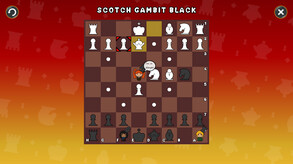
Stress Chess is an unconventional single-player strategy game that reimagines traditional chess as a narrative-driven puzzle experience rather than a competitive duel. Developed and published by FourOrbStudios, the game takes the rigid, rule-bound framework of classical chess and reframes it through a playful, character-focused lens, aiming to make strategic thinking more approachable and less intimidating. Instead of focusing on checkmates and ranking systems, Stress Chess emphasizes problem-solving, protection, and careful planning under unusual constraints, giving it a distinct identity within the broader strategy genre. The central concept revolves around protecting the Mc’Chess children, who act as high-value pieces on the board. The opposing side is willing to trade any of its pieces to capture one of these children, turning every move into a test of foresight and risk management. This twist fundamentally changes how players approach familiar chess positions. Sacrifices that might be acceptable in standard chess become disastrous here, forcing players to rethink habits and consider safety and positioning above aggressive advancement. The result is a constant sense of tension, where every move feels consequential and mistakes carry immediate narrative and mechanical weight. Gameplay is structured into a series of campaigns, each built around well-known chess openings and strategic motifs. Rather than playing full matches from the opening move, players are dropped into mid-game scenarios that highlight specific ideas such as development, control of the center, or piece coordination. These setups function as self-contained puzzles, encouraging players to analyze the board state and find solutions that preserve the children while still progressing toward victory. By isolating specific concepts, Stress Chess transforms abstract chess theory into tangible, interactive challenges that are easier to grasp and experiment with. While the core rules of chess remain intact—piece movement, captures, and turn-based play all behave as expected—the game’s objectives shift the focus away from pure dominance. Success is measured not just by defeating the opponent, but by minimizing losses and maintaining control over vulnerable pieces. This approach makes the game particularly appealing to players who enjoy thoughtful, methodical play rather than fast-paced competition. It also provides a gentler learning curve for those new to chess, as the puzzle format removes the pressure of facing a human opponent or complex AI across a full match. Presentation plays a subtle but important role in making the experience accessible. Stress Chess adopts a clean, cartoon-inspired visual style that keeps the board readable while adding personality through character designs and animations. The Mc’Chess children and opposing pieces are easy to distinguish, which helps players quickly assess threats and priorities. The interface is straightforward, clearly communicating turn order, legal moves, and objectives without overwhelming the player with information. Sound design is minimal and functional, reinforcing actions without distracting from the mental focus required to solve each puzzle. Customization options, such as editing the appearance of the Mc’Chess children, add a light personal touch without complicating gameplay. These elements reinforce the game’s narrative framing and help players feel more invested in protecting specific characters rather than abstract pieces. Leaderboards introduce a competitive edge for those who enjoy comparing performance, but they remain optional, ensuring that the core experience stays centered on problem-solving rather than optimization or speed. Despite its creativity, Stress Chess is clearly a modestly scoped indie project. The total number of campaigns and scenarios is limited, and once players complete the available content, replay value depends largely on personal enjoyment of revisiting puzzles or improving outcomes. Some players may find the challenge uneven, with certain puzzles feeling either too forgiving or unexpectedly punishing depending on familiarity with chess concepts. Occasional technical quirks or AI oddities can also disrupt immersion, reminding players of the game’s small-team origins. What ultimately defines Stress Chess is its educational undercurrent. Without presenting itself as a formal learning tool, it gently introduces players to real chess openings and positional ideas through hands-on experimentation. The puzzle format allows players to test strategies, observe consequences, and build intuition in a low-pressure environment. For experienced chess players, this can feel like a refreshing mental exercise that challenges ingrained habits. For newcomers, it offers a welcoming gateway into strategic thinking without the fear of being outmatched. In the end, Stress Chess succeeds by offering a thoughtful, character-driven reinterpretation of a centuries-old game. It does not aim to replace traditional chess or compete with advanced simulators, but instead carves out a unique niche as a puzzle-focused strategy experience that values protection, planning, and creativity. For players who enjoy chess concepts, turn-based puzzles, or alternative takes on classic board games, Stress Chess provides a charming and mentally engaging experience that proves even the most familiar rules can feel fresh when viewed from a different perspective. Rating: 6/10
Momentum
Pace estimated from the game's recent review growth (our daily snapshots) at its own sales-per-review ratio — a momentum signal, not booked sales.
Audience
Estimated from the language of this game's reviews — a proxy for where players are, not official Steam demographics.
Related
| Poozle Mania | $3.5K | 84 | 81% | $2.99 |
| Cave Guessers | $3.5K | 67 | 69% | $3.99 |
| Mini Words - minimalist puzzle | $3.5K | 182 | 93% | $1.39 |
| AMOK | $3.5K | 156 | 41% | $0.99 |
| Russian Roads | $3.5K | 211 | 67% | $1.99 |
| The elevator | $3.5K | 110 | 86% | $1.99 |