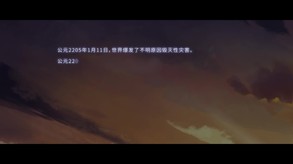
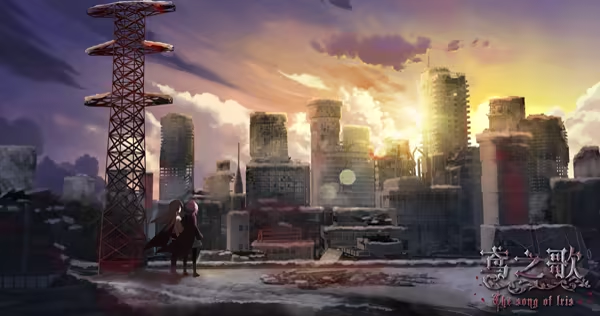
《鸢之歌》是一款涵盖末日元素的养成类视觉小说游戏,讲述了一名感染者与一名人造天才科学家以及一名背叛人类的少女之间发生的故事;在这个时代什么是正确的事情?拯救世界?亦或者不惜代价的活下去?我们都将在一次又一次的选择里见证这一切。
Modeled estimate, not a reported figure. How we estimate →
Media

About
《鸢之歌》是一款末日生存类视觉小说游戏。这是一个感染者、人造科学家以及背叛人类的天才少女之间发生的故事。在这个终焉的时代里什么是正确的事情?拯救已经破碎的世界?或者不惜一切代价只为活着?你将在一次又一次选择里见证这一切。

《鸢之歌》描绘了一个被神秘怪物“仆从”所毁灭的世界,绝大部分人类因“仆从”和其引发的“雪花感染”而死去。某日,江中城唯一的幸存者少女九玖,偶遇了来自城外幸存者营地的天才科学家少女林楠,故事由此展开。
九玖(CV:闲踏梧桐)
江中城唯一的幸存者
生日:2190年11月14日
年龄:20岁
身高:165cm
体重:55kg
性格:自小性格怪癖,不是很乐于与人交往,外向的孤独症患者,时常会陷入自我幻想中,和她笔下的人物进行互动。
人物故事:2204年10月,九玖遭遇了军队与“仆从”战斗的现场,并不幸被流弹击穿了右眼。2206年6月,九玖于江中城内苏醒,为了存活下去,九玖在城中搜刮物资,并最终建立了自己的生存小屋。2210年7月,九玖遭遇了逃亡的女性,并在城中偶遇了天才科学家林楠,故事由此开始。
林楠(CV:她放慢步调)
天才科学家少女
生日:???
年龄:???
身高:145cm
体重:42kg
性格:擅长处理问题且富有斗争精神,有着强大的计算能力和听觉,能够以冷静的态度看待任何一件事情,是人形的计算机。
人物故事:2205年7月,林楠受国际政府委托,对现世“仆从”进行研究,并在同年12月拒绝了前往“方舟”的邀请。林楠与联合政府签署了最后协议,她将代表人类留在地球上寻找击败“仆从”的方法,想办法弄清楚这场毁灭性灾难的原委。2210年7月。为了追捕偷窃机密资料的少女,林楠来到了江中城,并最终与故事的主人公九玖相遇。
平安铃(CV:桂圆翊宝)
从营地叛逃的少女
生日:2189年5月30日
年龄:18岁
身高:162cm
体重:50kg
性格:天赋异禀的人类天才少女。她有着一颗人类的心,拥有一个正常人类所具备的所有情绪,超越林楠是她一生的梦想。
人物故事:2201年6月21日,平安铃通过审核,正式被聘为林楠的助手。2205年12月,平安铃放弃了“方舟”的船票。2210年2月,平安铃因不满林楠那造成大量人员伤亡的任务指示,在实验室发生“雪花”事件并诞生“仆从”时,平安铃趁乱偷走了装有重要信息的储存器并离开了营地。2210年7月,平安铃抵达了江中城,并于城中的幸存者九玖相遇了。
※近50万字的大容量文本剧情,双线路+多个结局。
※游戏角色全配音。
※近百张精美CG。
※高水准演出。
※角色数值系统及众多选项玩法。
Stats
All-time low is the lowest price we've recorded for this game since we started tracking it.
Languages: Simplified Chinese**languages with full audio support
Engagement
Reviews
Themes across 47 recent reviews and how positive each mention is. A keyword signal, not full sentiment analysis.
Reviews
一位玩這遊戲玩到高血壓的玩家曾經說過: 如果有個遊戲語音音量忽大忽小 存在大量包括不限於返回鍵亂跳和數值變動卻沒彈窗提示等BUG 且還有不修改絕對無法完成的成就 這種腦袋沒生點病想不出來的手法 那你應該給這遊戲打差評 這是它應得的 相比之下文筆已經是最小的問題 要不是有百合要素不然我根本不會打完這遊戲
4年前我在b站看完了鸢之歌的剧情,虽然是百合厨但是我对整个作品印象最深的却是那2句:这个这是我的故事,可是回过神来我的故事里全是你。你满怀希望述说着梦想的时候,我被那样身姿的你所深深震撼。刚在steam完成二刷,仍然被这两行文案所感动。在那样一个末世孤独生存的九玖,有一天遇到了一个把生死置之度外,想要践行救世使命的,光芒四射的女孩。她终于找到了自己想要做的事,于是笔下的文字终于开始脱离了无病呻吟的感慨。即使这段感情是不公平的,但我还是深深的为九玖感到庆幸。当然真要说九玖和林楠的感情,我认为确实目前剧情是有所欠缺的,但是不妨碍九玖的故事我很喜欢。
1
Related
Related
Trends
Modeled estimate over time, reconstructed from Steam's monthly review histogram.
Hours played at review time, across 47 reviews with recorded playtime.
positive critical· bar length = how often the theme comes up
不要在游戏里发现自己的影子,对不起,我没办到呢。
[h1][b]🎮 Reseña de 鸢之歌-Singing Iris[/b][/h1] [h2]Resumen del Juego[/h2] 鸢之歌-Singing Iris es esa mezcla muy “indie con complejo de poeta”: una aventura con tintes de rol que se apoya fuerte en el formato de novela visual, pero con suficiente oscuridad para recordarte que el mundo se fue al carajo (literal: posapocalipsis, gore y decisiones que no vienen con etiqueta de “esto te hará sentir mal”). La primera impresión es clara: esto no quiere ser “un juego para relajarte”, quiere que leas, que elijas, que te incomodes un poco… y que finjas que no lo abriste por el contenido subido de tono. Todo envuelto en estética anime, con temas LGBTQ+ y una narrativa que parece decirte: “si esperabas héroes limpios, te equivocaste de planeta”. Como propuesta Aventura/Indie/Rol, funciona más como rol narrativo que como “mejoro stats y farmeo 200 jabalíes”. Aquí el progreso es más emocional (y moralmente cuestionable) que numérico. Y sí, es para un jugador: porque estas cosas se digieren mejor sin alguien al lado juzgándote. [h2]Lo Heroico y lo “No Me Juzgues, Steam”[/h2] Lo Bueno: ✅ Narrativa con colmillo: posapocalipsis + gore + drama, una combinación que no pide permiso 😈 ✅ Enfoque fuerte en historia/decisiones tipo novela visual 📖 ✅ Temas LGBTQ+ presentes (y no solo de adorno) 🌈 ✅ Contenido adulto sin hacerse el santo: “desnudos” y “contenido sexual” puestos sobre la mesa 🔥 ✅ 20 logros para los que necesitan validación digital por respirar 🏆 Lo No Tan Bueno: ❌ Si esperas rol “clásico” con sistemas profundos, esto se siente más lectura guiada que RPG 🎲😬 ❌ Con 1 jugador activo, la vibra es de “culto pequeño” más que de fenómeno comunitario 🥶 ❌ El tono y lo explícito pueden ser demasiado: no es para quien se espanta con sangre o piel 🩸🙈 ❌ Puede dividir fuerte: controversial por naturaleza, y no por marketing ✋🧨 [h2]Tabla de Evaluación[/h2] [table] [tr][th]Aspecto[/th][th]Puntuación (0-10)[/th][th]Comentario[/th][/tr] [tr][td]Jugabilidad[/td][td]6[/td][td]Más decisiones y lectura que “jugar-jugar”; cumple, no deslumbra.[/td][/tr] [tr][td]Dificultad / IA[/td][td]5[/td][td]No va de IA; la dificultad real es emocional/moral.[/td][/tr] [tr][td]Contenido[/td][td]7[/td][td]Entre historia, temas adultos y logros, hay bastante para masticar.[/td][/tr] [tr][td]Gráficos / Video[/td][td]7[/td][td]Estética anime competente; no reinventa, pero entra por los ojos.[/td][/tr] [tr][td]Historia[/td][td]8[/td][td]Aquí está el gancho: cruda, intensa y con ganas de incomodar.[/td][/tr] [tr][td]Ambientación[/td][td]8[/td][td]Posapocalipsis con mala leche; se siente sucio y peligroso.[/td][/tr] [tr][td]Efectos (VFX)[/td][td]6[/td][td]Funcionales; lo impactante viene más del contexto que del espectáculo.[/td][/tr] [tr][td]Música[/td][td]7[/td][td]Acompaña bien el drama; hace el trabajo sin robarse el show.[/td][/tr] [tr][td]Voces[/td][td]6[/td][td]No es el punto fuerte (o no es lo que más se presume), pero sostiene.[/td][/tr] [tr][td]Diversidad[/td][td]8[/td][td]Temas LGBTQ+ presentes y relevantes, no solo “para la foto”.[/td][/tr] [tr][td]Rendimiento[/td][td]7[/td][td]Al ser experiencia principalmente narrativa, debería ir estable en general.[/td][/tr] [tr][td]Rejugabilidad[/td][td]6[/td][td]Depende de rutas/decisiones; si no te atrapó la historia, no vuelves.[/td][/tr] [tr][td][b]Total Puntuaciones (Muy Bueno)[/b][/td][td][b]6.8[/b][/td][td]Una novela visual oscura con alma: no para todos, pero bien hecha.[/td][/tr] [/table] [h2]Conclusión (Muy Bueno)[/h2] 鸢之歌-Singing Iris es el tipo de juego que te mira a los ojos y te dice: “vas a leer, vas a sentirte incómodo y vas a tomar decisiones cuestionables”. Si eso te suena a buen plan, hay una experiencia narrativa sólida, con ambientación posapocalíptica potente, gore sin filtros y un enfoque adulto que no pretende caerle bien a todo el mundo. Ahora, si esperas “rol” de manual con combate y sistemas profundos, aquí vas a encontrar más bien rol narrativo: el peso está en la historia y en lo que eliges, no en la optimización de builds. Y con 1 jugador activo, esto es más una joya de nicho que un punto de encuentro social (lo cual, siendo honestos, le queda perfecto). Con 382 recomendaciones, se nota que hay una comunidad que lo respalda: no masiva, pero sí lo bastante ruidosa como para decir “esto vale la pena si te atreves”. [h3]Recomendación de Compra (Recomendado con reservas)[/h3] Puntuación Total: 6.8/10 Número de jugadores activos al momento de hacer esta review: 1 Descuento máximo registrado: -75% Veredicto: [i]Recomendado con reservas: gran historia y atmósfera, pero es más novela visual adulta que RPG tradicional.[/i] Si te gustan las aventuras narrativas indies con temas adultos, drama, gore y un posapocalipsis con personalidad, dale. Si te incomoda lo explícito o te desespera leer, mejor ahórrate el viaje emocional… y la cara de “¿qué estoy jugando?” cuando alguien pase detrás de ti.
在遥远的2210年,距离首次发生雪花感染事件已过去了六年。而在这六年里世界已经被一种由雪花而生、名叫仆从的神秘怪物毁灭殆尽。绝大多数人类都已死去,幸存者只能在废墟里苟延残喘,人类文明又双叒叕即将迎来毁灭。 故事发生在一个名叫江中城的地方,而九玖便是生活在这里的幸存者。只是她也已经成为了感染者,右眼出了问题,还失去了部分记忆。而在这个孤城里,她习惯了孤独,每天写写小说,看看窗外,等待永远不会来的明天。 直到某天,她偶遇了林楠。她是一位来自城外幸存者营地的天才科学家,为了拯救人类来到此地。 而两个少女的相遇,拉开了《鸢之歌》的序幕。 这是一款融合了养成玩法的末日题材百合视觉小说。游戏讲述了背负宿命的少女,在末日世界里相遇相识的故事,分为江中城篇、旅行篇和平安铃篇三个章节,拢共二十多个各类结局。 和纯看剧情的视觉小说不同,《鸢之歌》加入了数值养成系统。玩家需要时时刻刻注意理智值、魅力值、饱食度、死亡值、感染值和人物好感度这六项数值。 比如饱食度太低会饿死,感染值和死亡值满了也会强制进入BE结局。理智值、魅力值和人物好感度虽然不会直接导致死亡,但数值不够的话,有些剧情解锁不了,乃至于影响到最终结局的走向。 所以建议在每次做选择前存一下,方便试错。同时游戏前期推荐优先搜集物资和洗眼睛,前者能增加食物,后者可以减少感染值,对游戏的进行很有帮助。 另外游戏的美术画风也挺不错的,再加上全程CV,表现不可谓不错。 总的来说,《鸢之歌》 是款不错的视觉小说,喜欢末日百合题材的可以试试。 [quote] 奏游戏之乐章,品人生之绚烂 [url=https://store.steampowered.com/curator/45672460/]欢迎加入 『 丰川集团 』[/url] [u][b]以丰川集团之名,行评测鉴赏之事[/b][/u][/quote]
[strike] 好 [/strike] --------------------------------------------------------- 本来玩到一半想给个五星好评的,结果一周目拼了老命打到结局,你跟我说到这就完了??故事里还有一亿个坑没填呢,后半段的细节还有不少圆不上呢,故事的完成度极大程度的限制了游戏品质更加一步的发展,我恨啊,恨铁不成钢啊;有多久没有见到这么对口味的末日世界观故事了,结果剧情前半段细节都圆上了,到后部篇章后许多内容根本没有解释清楚,结局也来的十分匆忙,结局前的那小段结尾故事完全可以扩充成一个新的篇章的,我不知道制作组是不是和我们写作业时犯了同样的错误,明明主题很好,成稿前面也该有的都有,最后一看时间不够了开始疯狂赶工。总的来说还是个充满了希望的主题,只希望制作团队能在以后把这个故事的各个细节和可能扩充的可能性都再达成一下,那样的话至少我们玩家玩完之后没太多遗憾。 [spoiler] TM的制作组你们很喜欢虐主吗,虐完主角虐我,我就想看两位女主贴贴一下怎么就不行了,一个忙着拯救世界,一个只能随波逐流,恨恨恨,啊啊啊啊啊啊 [/spoiler] 玩完二周目的追加结局之后依旧不满意,为啥制作组不把故事再说的清楚一点,我想更多的了解这么个世界观啊,现在我就像是吃饭吃到一半噎着一样难受 -------------------------------------------------------- 另外就是制作组你们能不能在CG赏析界面里加上故事小节间插画啊,好多人设图和小的世界观补充文档都只能一次次读档来阅读查看,实在是很不方便
Singing Iris, also known as 鸢之歌, developed and published by WindField Games, is a short yet striking visual novel that combines post-apocalyptic melancholy with introspective storytelling. It unfolds in a world long past salvation, where the remnants of humanity are overshadowed by infection, decay, and moral uncertainty. The player follows Jiujin, a girl surviving in the desolate ruins of civilization, and Lin Nan, a scientist whose brilliance and detachment make her both fascinating and dangerous. Their encounter forms the heart of the narrative—a meeting between innocence and intellect, between emotion and pragmatism, set against a landscape where hope is almost extinct. From its opening moments, Singing Iris sets a tone of quiet despair and fragile beauty, capturing the atmosphere of a dying world with a poetic stillness that lingers long after the game ends. The structure of Singing Iris adheres to the conventions of a kinetic visual novel, but it refines them with attention to pacing and tone. The interface is clean, minimalistic, and easy to navigate, allowing the story’s emotional cadence to flow uninterrupted. Text transitions and artwork are handled with restraint, and the occasional CG illustration punctuates key scenes without overwhelming the experience. Every element serves the purpose of storytelling rather than spectacle. The muted color palette, often dominated by soft grays and faded tones, complements the somber world it depicts—a city swallowed by silence and snow, where the smallest flicker of warmth feels monumental. There is a sense of stillness that pervades the experience, as if every pause and ellipsis holds meaning. For a game that can be completed in a single sitting, it achieves an impressive depth of mood and texture. Narratively, the game revolves around choice, but in a way that emphasizes introspection over consequence. There are multiple endings, yet none feel detached from the central themes of sacrifice, morality, and survival. Decisions are presented not as binary paths of good or evil, but as reflections of human contradiction. Jiujin’s innocence often clashes with Lin Nan’s calculated logic, creating moral tension that forces the player to weigh compassion against necessity. These choices do not radically alter the world but reshape the meaning of survival within it. This subtlety gives the narrative a philosophical edge—it is less about what happens and more about what is felt. The story suggests that survival in a world so deeply scarred by loss may not be victory at all, but a slow acceptance of inevitability. That ambiguity is what gives Singing Iris its haunting emotional resonance. The writing, while concise, carries a quiet eloquence that makes each exchange between the characters feel deliberate and weighted. The dialogue avoids excess, relying on implication rather than exposition. It captures the fragility of its characters—people who continue to move forward not out of hope, but out of habit. There are moments of genuine tenderness, as well as bursts of tension and cruelty, and the contrast between them adds dimension to the story. The relationship between Jiujin and Lin Nan is the focal point of the experience, one that oscillates between cooperation and betrayal, empathy and manipulation. As the story unfolds, the player is drawn deeper into their bond, compelled by the question of who is saving whom. In this way, Singing Iris succeeds not only as a visual novel but as a meditation on the human condition in its bleakest hour. The presentation reinforces the game’s emotional intimacy. The music is sparse and atmospheric, favoring gentle piano and ambient tones that underscore the desolation of the world without drawing attention away from the narrative. The sound design enhances the sense of isolation—subtle echoes, wind, and distant mechanical hums evoke the loneliness of wandering through ruins. The artwork is delicate yet precise, with character designs that convey vulnerability beneath their stoicism. Jiujin’s expressive innocence contrasts sharply with Lin Nan’s controlled demeanor, and their visual dynamic mirrors their thematic conflict. The backgrounds, though static, are richly evocative, transforming empty spaces into silent witnesses of civilization’s downfall. Every artistic decision contributes to a cohesive atmosphere that feels immersive despite the game’s simplicity. For all its strengths, Singing Iris is bound by its brevity. The story’s tight focus leaves little room for extensive world-building or secondary characters, and some players may find themselves wishing for a broader exploration of the post-apocalyptic setting. The plot functions more as a self-contained chapter than a complete saga, giving the impression of a prologue to something larger. The world hints at depth but never fully reveals its history or mechanics, leaving much to the imagination. Yet, this conciseness can also be viewed as intentional—the lack of exposition enhances the sense of mystery and futility. What matters is not how the world ended, but how people endure what remains. The game’s compactness allows it to deliver a concentrated emotional impact, ensuring that every scene feels deliberate and meaningful. Ultimately, Singing Iris stands as a quiet but resonant example of how simplicity and focus can yield emotional power. It is not a sprawling epic, but rather a carefully crafted vignette about survival, trust, and the fragile line between morality and necessity. The story’s melancholy tone and understated presentation make it feel deeply human, even amidst its desolate setting. Its success lies in its ability to convey profound emotion through minimal means—its silence speaks as loudly as its dialogue. For players who appreciate narrative-driven experiences that prioritize atmosphere and emotion over mechanics, Singing Iris offers a memorable journey through sorrow and resilience. It is a short but haunting meditation on what it means to find meaning in ruin, and how even the faintest song can echo through the emptiness of a dying world. Rating: 8/10
百合文,没有后续了吗,n年了
配音有bug,有些地方会丢语音,九玖应该是意识体,死不了?还有莉拉,明明是个背景角色,却在最后来给玩家评分,是伏笔?但全是be(看到特别感谢里有凝冰剑斩,就不奇怪了)希望下一部能给个好结局吧,毕竟才序章,感觉好多东西都没讲
Momentum
Pace estimated from the game's recent review growth (our daily snapshots) at its own sales-per-review ratio — a momentum signal, not booked sales.
Audience
Estimated from the language of this game's reviews — a proxy for where players are, not official Steam demographics.
Related
| Femboy Next Door 🔞🚪 | $45.8K | 122 | 89% | $9.74 |
| Beastiarium | $45.8K | 121 | 50% | $14.99 |
| Cauldrons of War - Stalingrad | $45.8K | 140 | 90% | $14.99 |
| Shikokushi ~food and sightseeing and beauties~ | $45.8K | 105 | 77% | $19.99 |
| サバイバルメソッド Survival Method | $45.8K | 131 | 34% | $5.94 |
| Riding Star - Horse Championship! | $45.8K | 121 | 69% | $9.99 |