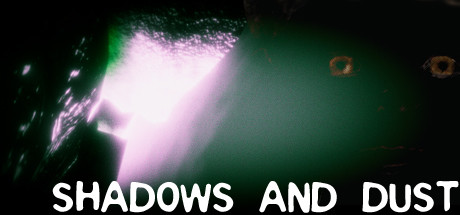
"In that sleep of death what dreams may come." Shadows and Dust is a short ghost story about regret. Real horror. Anxiety and depression. Suicide. Choices that can't be taken back.
Revenue comes from in-game items and microtransactions, which our price-based model doesn't estimate. Copies below reflect the player base, not paid sales.
Media

About
Genres
Stats
Languages: English**languages with full audio support
Engagement
Reviews
[i]This review was made for SaveorQuit.com by Anna from [url=https://steamcommunity.com/groups/malkavianmadness]Malkavian Madness[/url][/i] [quote=Anna] Based on developer Moloch Media’s nightmares, Shadows and Dust is a grounded look at a life plagued with anxiety, depression, and suicidal thoughts. The game is essentially a visual novel with elements of a walking simulator. The protagonist is trapped in a room and is limited to three interactions: opening the door, answering the phone, or going back to bed. The gameplay is focused on having conversations with a dream child, who visits you every second of his birthday, and with your room, where you are free to move. But do not be deceived, because these mundane tasks reveal a real conversation between the protagonist and a room he has walled up himself up in. While in the room, Shadows and Dust communicates anxiety effectively. The constant ring of the telephone, or the incessant knock on the door – they will not stop. There is always a clamor of circus noises in your room that disavow any peace and quiet. During your sleep, there is a percussion instrument that operates like a wind-up key, that builds up a jump-scare which never lands, creating a tear-facing sense of dread and anticipation. Every day more people isolate themselves from their friends, family, and society. In Japan, they’re known as hikikomori, and in Marxist theory, this isolation can be a result of being alienated from your labor. For instance, here there is an irritating and consistent clamoring of people calling, not to see how well the protagonist is, but when will he be able to return to work. The depression expressed here is one of seclusion and exclusion. Someone is banging on the door trying to get us to come outside. Shadows and Dust is about real-life fear: anxiety, depression, and suicide. As the story progresses, and you dialogue more with the dream child and the room, the fear becomes increasingly grounded in a sense of regret and loss. The father of a child committed suicide at his son’s 2-yeard old birthday and is now haunted by visions of watching his child spiral into a similar suicidal state of mind because of his actions. The person knocking at the door becomes belligerent, and the phone calls turn aggressive fast. You deserve this. How could you do this to us. In this game, there’s an inability to empathize with the depressed other, so you go back to sleep. In a world where the protagonist has little agency over your actions (you cannot stop the incessant banging at the door or the constant ringing of the telephone), your only escape is sleep, besides pacing back and forth around your eerie room. The dream state is magnificently surreal, distorting lines of visions and conjecturing highly saturated abstract pathways. You fall up and you climb down until you are faced with the dream child again, where you converse until one of you has to go. But you silently mourn how history repeats itself. Despite not going into the causes or prevention of suicide, Shadows and Dust it presents a raw and real conversation about the feelings of suicidal ideation and how isolation can be perceived. Outreach by family and friend begins to seem annoying and unnecessary, well-intended messages seem invasive and problematic – nobody understands the pain you ate suffering. [ Congrats, you just won a free copy of this game. Please claim it from JimDeadlock on the SoQ Discord ] At the very end, the game offers the option to engage with ‘the suicide machine’ and rest for eternity in a coffin. At first, I thought this was the only option the player had, but upon further notice, if the player *quits* the game, they receive an achievement entitled “You Quit the Game!” Shadows and Dust does not present a comprehensive analysis of mental illness. It does mention any systemic roots for depression or compare philosophical writings to the anxiety of the protagonist. To Kierkegaard, for instance, despite fixating on the agonizing nature of anxiety and despair, one could still live an authentic life – anxiety in a way to him was the dizziness of freedom, the crippling of possibility, of the boundlessness of one’s existence. No. Instead, in Shadows and Dust, we are treated to a raw and unadulterated look at the debilitating effects of anxiety, depression, and suicide. Through creative and surreal sound, visual, and text, we experience the protagonist’s descent into complete isolation and ultimately suicide due to, what Kierkegaard would attribute, the protagonists’ limited autonomy on freedom.[/quote]
Related
Related
Trends
Concurrent players on Steam, sampled daily since tracking started.
Hours played at review time, across 22 reviews with recorded playtime.
The first time I played this adventure I felt Anxious. The second time I played this adventure I felt Confused and Anxious. The third time I played this adventure I felt only Confused. I still haven't figured out how to win or even if you can win. With suicide, no one wins really. It is a serious topic that I'm not qualified to get into. In the game, you make dialogue choices with your son from the afterlife I guess. I'm trapped in this room with no way to escape, all the time being hounded by people that hate me or want me to go somewhere. I have played a few psychological adventure games before and they tend to be short or repetitive and all have left me somewhat confused. Perhaps if you have experienced someone suicidal this adventure may hit more home with you. Maybe if I play the game again I'll like it better.
There really is not much game play, but more story interaction about a depressed character who committed suicide on their son's two year old birthday. You live as a ghost trying to reconnect with your son as he grows up while being harassed by friends and family about your mental state. People are trying to check up on you, but they cannot seem to get through to the character. In the end you commit suicide and the game loops from the beginning without any hesitation it feels like a dream gone bad, but it never ends. Great idea and concept, but can seem boring or vague when playing the game for the second time trying to understand the story. Also when you go to sleep the dream world does not make sense at all since it is a giant rock or hill that you just climb. Rate 5/10 meaning neutral because it really depends on what you seek to learn from this game. Reminds me of a visual novel but with movement and dialogue.
""In that sleep of death what dreams may come." Gölgeler ve Toz pişmanlıkla ilgili kısa bir hayalet hikayesidir. Gerçek korku. Endişe ve depresyon. İntihar. Geri alınamayacak seçimler. Ohh My gattt
⣀⣠⣤⣤⣤⣤⢤⣤⣄⣀⣀⣀⣀⡀⡀⠄⠄⠄⠄⠄⠄⠄⠄⠄⠄⠄ ⠄⠉⠹⣾⣿⣛⣿⣿⣞⣿⣛⣺⣻⢾⣾⣿⣿⣿⣶⣶⣶⣄⡀⠄⠄⠄ ⠄⠄⠠⣿⣷⣿⣿⣿⣿⣿⣿⣿⣿⣿⣿⣿⣯⣿⣿⣿⣿⣿⣿⣆⠄⠄ ⠄⠄⠘⠛⠛⠛⠛⠋⠿⣷⣿⣿⡿⣿⢿⠟⠟⠟⠻⠻⣿⣿⣿⣿⡀⠄ ⠄⢀⠄⠄⠄⠄⠄⠄⠄⠄⢛⣿⣁⠄⠄⠒⠂⠄⠄⣀⣰⣿⣿⣿⣿⡀ ⠄⠉⠛⠺⢶⣷⡶⠃⠄⠄⠨⣿⣿⡇⠄⡺⣾⣾⣾⣿⣿⣿⣿⣽⣿⣿ ⠄⠄⠄⠄⠄⠛⠁⠄⠄⠄⢀⣿⣿⣧⡀⠄⠹⣿⣿⣿⣿⣿⡿⣿⣻⣿ ⠄⠄⠄⠄⠄⠄⠄⠄⠄⠄⠄⠉⠛⠟⠇⢀⢰⣿⣿⣿⣏⠉⢿⣽⢿⡏ ⠄⠄⠄⠄⠄⠄⠄⠄⠄⠄⠄⠠⠤⣤⣴⣾⣿⣿⣾⣿⣿⣦⠄⢹⡿⠄ ⠄⠄⠄⠄⠄⠄⠄⠄⠒⣳⣶⣤⣤⣄⣀⣀⡈⣀⢁⢁⢁⣈⣄⢐⠃⠄ ⠄⠄⠄⠄⠄⠄⠄⠄⠄⣰⣿⣛⣻⡿⣿⣿⣿⣿⣿⣿⣿⣿⣿⡯⠄⠄ ⠄⠄⠄⠄⠄⠄⠄⠄⠄⣬⣽⣿⣻⣿⣿⣿⣿⣿⣿⣿⣿⣿⣿⠁⠄⠄ ⠄⠄⠄⠄⠄⠄⠄⠄⠄⢘⣿⣿⣻⣛⣿⡿⣟⣻⣿⣿⣿⣿⡟⠄⠄⠄ ⠄⠄⠄⠄⠄⠄⠄⠄⠄⠄⠄⠛⢛⢿⣿⣿⣿⣿⣿⣿⣷⡿⠁⠄⠄⠄ ⠄⠄⠄⠄⠄⠄⠄⠄⠄⠄⠄⠄⠄⠄⠄⠉⠉⠉⠉⠈⠄⠄⠄⠄⠄⠄
"Shadows and Dust" is yet another one of those cases where an amateur developer pretends he's an expert in the field of mental health and thus sets out to solve the problem by making a crappy, almost certainly asset flipped first person "art experience" adventure game. It's every bit as bleak as the thought people really think it's okay to abuse the gaming industry with this low quality mental health cure trash. The worst part is the guy was trying to get paid for his amateur psychology experiment. What do you do in the game? It's a really pointless, short adventure game, click on some stuff, uninstall quickly. Uninstalling is definitely the best part. Trying to address serious issues such as mental and emotional health through the medium of video games is misguided and can be harmful. While it's plausible to suggest the intention was noble, this can do more harm than good. The "developer" here is not a professional in areas of mental health and social problems, and when they use video games to pretend they are, this is not only utterly ineffective, it can be harmful. It's my opinion that it's improper to use video games to address mental health issues. Apart from the harm such hamfisted attempts at addressing social problems can cause, this offers zero benefit to PC gamers. People suffering from health issues or other social problems should seek out professional help rather than going to crap shovelware video games attempting to get attention/fame by exploiting such problems for their own benefit, as is the case here. I'm not sure if this is an asset flip, but it's one of those cases where the assets just look much better than the rest of the quality of the game... a glaring inconsistency. There's no evidence, but as always, the biggest problem with asset flips besides the plagiarism is the deplorably low quality of the other aspects of the game, and even if the game assets are genuinely created for the game, the quality of the rest of the game is indistinguishable from that of asset flips. This game is fairly dated at 6 years old... and even back then it looked old and busted compared to contemporary, professionally made 3D games of the same period. It looked bad then, it looks worse now. Now on to pricing and value for gamers. There's no initial download price, but the developer was charging $3 USD for this. Price barriers, especially on low quality products, can be a direct cause of failure. It seems like a nice gesture for the game to have no up-front cost anymore, but it also tells us that the game wasn't good enough to succeed as a paid product. This is also a bit of a slap in the face to anyone who showed enough questionable judgement to pay money for this... nobody got refunded. In terms of public reception, this failed. There's over 130 million unique gamers visiting Steam every month. SteamDB showed the game peaked at [b]only 14 concurrent players[/b]... this is a dismal public reception. This was so bad they couldn't even give it away. Given that this free title won't increase your game collector count, is it worth your time to add it to your library? This is a "nope". While it won't necessarily cost you money, the time and hard drive space it requires could be better invested in one of the many higher-quality alternatives on Steam.
Played for half an hour, im confused ... But i think its worth to give it a try, i mean, its free ;)
[h1]Overview:[/h1] '[i]Shadows and Dust[/i]' is a hybrid game consisting of both visual novel and first person elements. It tells the depressing story of a father of a son who perished on his second birthday. The reasoning behind the tragedy is left mostly unknown but as you progress, it reveals the idea that the father had done something horrible when he was still alive. My personal guess is that the thing he was being lashed at for was the fact that the cause of death was actually suicide. That he left his family and his two year old son with the burden of his death and now his family (and possibly wife) is now giving him ♥♥♥♥ for it in his afterlife but that's just my theory. The game is actually [i]very[/i] depressing and explores dark topics that could potentially make many people who share similar feelings feel uncomfortable. I wholeheartedly do not recommend playing this if you have suicidal thoughts or are depressed unless you truly feel you can play this without emphasizing said feelings. Nonetheless, I think the game is done well and captures the kind of feeling that these types of feelings can elicit. It's a very dark game and I felt rather uneasy throughout all of it. [h1]Gameplay:[/h1] '[i]Shadows and Dust[/i]' as mentioned has two types of gameplay being a visual novel sequence and a first person sequence. The visual novel part takes place with the father having seemingly random encounters with his son every other birthday and as they continue conversing, things start to get worse and worse. There are dialogue options throughout the game but none of them branch off anywhere unique and always end the same way regardless of what dialogue option is picked. There are only slightly different responses but aside from that, the story will always funnel into one outcome making the whole dialogue bit a bit pointless. After the conversation ends, the first person section kicks in and you wake up in a room with a door being knocked on and a phone ringing. Answering the door or phone will prompt another conversation that also progressively gets worse. Other than that, you can toggle the light switch but this appears to be aesthetic and serves no purpose for the overall game. This room will also be revisited over and over again and each visit will have different dialogues and slight visual changes. After all is said and done, you return to bed and walk through a weird tunnel looking area for a few seconds then it switches back to the visual novel sequence where you talk to your son but this time he's older. You converse with him then wake up in your room then fall asleep then talk to him when hes two years older once more, rinse and repeat. This cycle continues repeatedly until you eventually finish the game and it comes around full circle. It abruptly ends without any sufficient ending to tie everything together so the whole ordeal is pretty grim and ends on a rather dark and mystifying note. I still say the experience does a good job at what it attempts to do but as a concept, is not something I personally like since the subject matter is a very grimacing but also very real issue that still continues to this day for many people. '[i]Shadows and Dust[/i]' is still a great experience considering it's objective but I only recommend it for people who aren't sensitive to content like this. [h1]Controls:[/h1] Plays fine for what it is and adopts a very simple control scheme. There isn't much that needs to be done for a game that only consists of walking around and selecting dialogue options. The controls work decently enough and don't feel inconsistent, awkward or broken in any way. The only time I found it awkward to play was during certain walking sections where it felt like I was being shifted around randomly because the map was constantly being blocked off despite me not fully leaving areas that were being blocked off. Other than that, the game plays sufficient enough and has no control settings but honestly, you don't need it. [h1]Graphics:[/h1] To be frank, it doesn't really look great. The visual novel sequences especially don't look good and all appear to have been created using [i]Microsoft Paint[/i]. The son looks extremely creepy and the backgrounds are also of seemingly low quality. The first person sections look way better but not by much. Lighting and shading make the game look way uglier than if they were gone altogether and the color scheme throughout the game is just not very appealing to the eye. Overall, I feel as if the visuals could have been done better justice. [h1]Audio:[/h1] Also not great. Music and ambience is creepy but are things you have probably already heard before in other B-horror games. Sound effects are also hit or miss but the one thing that truly annoyed me to the moon and back was the telephone ringing. It is obnoxiously loud and will continue to ring even if there's literally nothing else to do with the person on the other line. The same applies to the door knocking but that is far less annoying than the blaring noise of the phone assaulting your ear drums. The worst part is that there aren't any volume settings to adjust sound so I had to lower the master volume on my computer just to make the game quieter. I'm aware that it's a trivial gripe but I'm pretty sure most people would rather shut a game up from it's own volume settings rather than having to tweak the settings on the entire computer. [h1]Conclusion/TL;DR:[/h1] '[i]Shadows and Dust[/i]' is a dark game about depression, anxiety and suicide and is played in both a visual novel and first person fashion. You essentially bounce back and forth between conversations with your son and other select individuals while occasionally moving around in a first person perspective. It's a short experience but a truly dark one at that and isn't something I believe should be played by people with sensitive emotions and/or feelings relevant to the ones being explored in this game. But for what it is, it's a well executed little experience that does a great job at capturing the harsh reality of the impact suicide, depression and anxiety can have on an individual and their families.
Boring af.
A thirty minute descent into depression and the devastating effects of suicide on those left behind. Hopefully this game will eventually get the attention it deserves.
Audience
Estimated from the language of this game's reviews — a proxy for where players are, not official Steam demographics.
Related
| Euro Truck Simulator 2 | $421.6M | 932.1K | 97% | $19.99 |
| Human Fall Flat | $109.3M | 225.6K | 95% | $19.99 |
| American Truck Simulator | $103.7M | 194.1K | 97% | $19.99 |
| DAVE THE DIVER | $90.8M | 139.6K | 97% | $19.99 |
| Slime Rancher | $73.8M | 155.4K | 98% | $19.99 |
| House Flipper | $65.8M | 110.8K | 94% | $24.99 |