Enter the arena with a team of heroes. Fight hand in hand with Guardians and vanquish your opponents in this tactical, turn-based game – featuring a range of characters with a unique abilities on a mission to restore the peace in a fantastic world of Thasys.
Modeled estimate, not a reported figure. How we estimate →
About


Genres
Stats
All-time low is the lowest price we've recorded for this game since we started tracking it.
Languages: English*, French**languages with full audio support
| Store | Price | Audience | Score | Chart | Est. revenue |
|---|---|---|---|---|---|
SteamYou are here | — | 151reviews | 34% | — | not modelled |
| $1.99−90% | 69ratings | 48% | — | not modelled |
Matched by title — a reused name can pair the wrong games. * is a critic aggregate. Prices and positions are each store's United States storefront; Epic charts worldwide. Audience and Score too, except Steam's, which is worldwide.
Engagement
Reviews
Themes across 41 recent reviews and how positive each mention is. A keyword signal, not full sentiment analysis.
Reviews
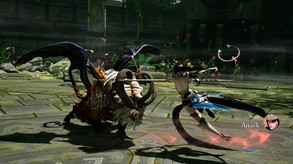
Prodigy Tactics, developed by Hanakai Studio and published by Forever Entertainment S. A., is a turn-based tactical strategy title set in the fantasy world of Thasys. Positioned as a blend of competitive strategy and narrative-driven campaign play, the game revolves around small-scale squad battles fought on compact grid arenas. Its central thematic conflict between the forces of Harmony and Dissonance shapes both its lore and its mechanical identity, aiming to offer a distinctive twist on traditional tactical combat systems. At its core, combat takes place on a tightly constrained battlefield, typically structured as a 3x4 grid for each team. Players assemble squads composed of heroes with unique abilities, statistics, and roles, then engage in turn-based encounters that emphasize positioning and synergy. The limited space forces careful consideration of movement and skill timing, as each action can dramatically affect the tempo of battle. Rather than sprawling tactical maps filled with terrain modifiers, the design focuses on ability interactions and team composition. This intimate battlefield structure creates matches that are methodical and deliberate, where planning outweighs improvisation. A defining feature of the combat system is the Harmony and Dissonance mechanic. Harmony rewards balanced, coordinated play, generating mana that fuels powerful skills when actions align strategically. Dissonance, on the other hand, introduces heightened offensive potential at the cost of stability, encouraging riskier, more aggressive tactics. This duality provides conceptual depth and influences decision-making throughout each match. In theory, it introduces a philosophical layer to combat, reflecting the broader lore of Thasys while offering meaningful mechanical consequences. When functioning smoothly, it adds a layer of tactical nuance that differentiates it from more conventional grid-based games. Visually, the game leverages Unreal Engine to deliver detailed character models and spell effects. The arenas, while relatively contained, are cleanly rendered and provide sufficient visual clarity to track abilities and status effects. Character animations during attacks are often the highlight, with flashy magical effects and stylized weapon strikes. However, outside of combat, the presentation can feel less polished. Interface design and menu transitions occasionally lack refinement, creating a contrast between the visual ambition of battles and the more static feel of surrounding systems. The game offers multiple modes, including a story campaign and standalone challenges. The campaign introduces the world’s factions and heroes through structured encounters, while additional modes like Bastion provide alternative gameplay formats designed to extend longevity. Multiplayer functionality allows players to pit their squads against one another, which in concept should enhance replayability. However, the competitive scene has been limited by player population and balance concerns, reducing the long-term viability of its online component. Despite its ambitious framework, the pacing of combat has been a frequent point of contention. Battles can feel slow, particularly when matches devolve into prolonged exchanges of incremental damage. The limited battlefield space, while encouraging precision, can also contribute to repetitive patterns once optimal strategies are discovered. Team compositions that prove highly effective may overshadow experimental builds, diminishing variety in extended play sessions. As a result, the depth promised by its systems sometimes feels constrained by balance and tempo issues. Narratively, the game strives to build a cohesive fantasy setting centered around ideological conflict. Characters are designed with distinct visual identities and thematic roles, contributing to the broader struggle between order and chaos. While the lore is present, storytelling often takes a secondary role to mechanical engagement. The world of Thasys has potential, but narrative delivery remains relatively understated compared to the focus on combat systems. Overall, it stands as an ambitious attempt to carve out a niche within the tactical strategy genre. Its Harmony and Dissonance system introduces an intriguing conceptual hook, and its compact battlefield design fosters focused, strategic encounters. However, issues with pacing, balance, and overall polish prevent it from reaching the heights suggested by its premise. For players who enjoy experimenting with squad composition and methodical turn-based combat, it can provide moments of satisfying strategic interplay. For those seeking dynamic pacing, extensive map variety, or deeply immersive storytelling, it may feel uneven. Nonetheless, it remains an interesting example of indie ambition within the tactical RPG space, defined as much by its bold ideas as by the limitations of their execution. Rating: 5/10
Media

Related
Related
Price dynamics, follower growth, revenue and sales trajectories with interactive tooltips
This and every other Pro feature is free until October 20, 2026. A free account is all it takes.
Hours played at review time, across 41 reviews with recorded playtime.
positive critical· bar length = how often the theme comes up
Selling now
See how fast this game is selling right now — estimated copies and revenue per day from recent review growth.
Players by region
Where this game's players are, estimated from review languages.
Related
| Game | Estimated lifetime revenue | Reviews | Review score | Price |
|---|---|---|---|---|
| $65.8K | 714 | 79% | $4.99 | |
| $96K | 578 | 89% | $5.99 | |
| $93.1K | 168 | 80% | $19.99 | |
| $46K | 166 | 58% | $9.99 | |
| $41K | 148 | 78% | $9.99 | |
| $0 | 10.8K | 76% | Free |