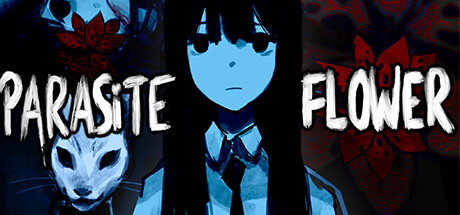
PARASiTE FLOWER is a beautiful yet disturbing side scroller game where you slowly uncover the story of Ari.
Modeled estimate, not a reported figure. How we estimate →
Media

About
Stats
All-time low is the lowest price we've recorded for this game since we started tracking it.
Languages: English
Engagement
Reviews
Themes across 40 recent reviews and how positive each mention is. A keyword signal, not full sentiment analysis.
Reviews
Желаю всем девушкам иметь при себе перцовый баллончик....
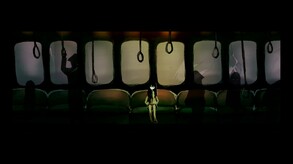
pretty short and good, but it likes to freeze... if you go into the game folder, the www folder, movies folder, and send the movie files to trash, then open the game and restore them while it's open, that fixed the train scene freeze for me (yeah i got the idea from the community tab lollllll)
♥♥♥♥♥ не понял
Related
Related
Trends
Concurrent players on Steam, sampled daily since tracking started.
Hours played at review time, across 40 reviews with recorded playtime.
positive critical· bar length = how often the theme comes up
симулятор понедельника
short story but it's great. 骂pedos还能被点欢乐?
Enjoyable story and gameplay for cheap you just need a brain to understand it
Пришла за получасовым хоррором. Получила тревожность, экзистенциальный кризис и желание похаять наш мир со всем его содержимым. В игре много аллюзий, но центральная тема - насилие над детьми и то, как отсутствие поддержки медленно и незаметно ломает жертву. Это не про скримеры, а про реальность. Рекомендую. Но будьте готовы к горькому осадку.
Played this game around a year ago. Really short but genuinely made me feel sick.
rather short game with quite unsettling themes tho with a major issue It's a completely buggy mess and will freeze every other screen which for the type of game it ruins the atmosphere. hopefully that is something that gets fixed tho I doubt it, with it being released 2 years ago. that all being said I do like the art style
PARASiTE FLOWER is a small, tightly focused indie horror experience that relies far more on emotional weight and symbolic storytelling than on traditional gameplay systems. Developed and published by Catowo, it presents itself as a looping, side-scrolling narrative, but what it ultimately delivers is something closer to an interactive psychological vignette. It’s the kind of game that doesn’t try to entertain in a conventional sense—instead, it aims to unsettle, to linger, and to leave the player reflecting on what they’ve seen long after it ends. The premise is deceptively simple. You follow Ari Yeong, a young girl caught in a repeating routine as she makes her way to school. At first, the world feels ordinary, even mundane, but the repetition quickly becomes the foundation for something far more disturbing. With each loop, subtle changes begin to emerge—small details shift, the environment warps, and the tone grows increasingly oppressive. What starts as a quiet routine gradually transforms into a descent into something symbolic and deeply uncomfortable. The game uses repetition not as filler, but as a storytelling device, reinforcing the sense of being trapped while slowly revealing the emotional core of its narrative. Gameplay is minimal by design. Movement is limited to navigating through short environments, interacting with key elements, and making small choices that influence how each loop unfolds. There are no complex mechanics, no combat, and very little in the way of traditional challenge. Instead, the experience is driven almost entirely by observation and interpretation. Each repetition offers slight variations, encouraging players to pay attention to details and piece together meaning from what changes and what remains the same. This simplicity allows the narrative and atmosphere to take center stage, but it also means that the game offers little in terms of mechanical engagement. For some, this will feel appropriate—an intentional stripping away of distractions. For others, it may feel too limited to sustain interest. What truly defines PARASiTE FLOWER is its tone and subject matter. The game does not shy away from heavy, uncomfortable themes, drawing from real-world issues and presenting them with a level of directness that can be difficult to process. The horror here is not rooted in jump scares or traditional threats, but in the implications of Ari’s experience and the symbolism embedded within the world. It’s a form of psychological horror that relies on emotional resonance rather than spectacle, creating a sense of unease that builds gradually and lingers. This approach gives the game a strong identity, but it also makes it inherently niche, as not all players will be comfortable engaging with its themes. Visually, the game stands out through its hand-drawn, watercolor-inspired art style. The soft, almost delicate aesthetic creates a striking contrast with the disturbing imagery that emerges as the story progresses. This contrast is one of the game’s most effective tools, as it amplifies the impact of each shift in tone. Environments that initially feel calm and familiar become warped and unsettling, reflecting the internal state of the protagonist without relying on explicit explanation. The visual design carries much of the narrative weight, using symbolism and subtle changes to communicate ideas that are never fully spelled out. Combined with restrained audio design, the game creates an atmosphere that feels quiet but deeply oppressive. The experience is notably brief, often lasting less than an hour, which can be both a strength and a limitation. Its short runtime ensures that the narrative remains focused and intense, delivering its themes without unnecessary padding. However, this brevity also means that certain elements feel underdeveloped, particularly toward the conclusion. The story raises questions and introduces ideas that are not fully explored, leaving some players wanting a more complete resolution. Whether this ambiguity is seen as intentional or incomplete will depend on individual interpretation. There are also minor technical issues that can detract from the experience. Occasional bugs, such as brief freezes or interruptions during key moments, can break immersion, which is particularly noticeable given how short and concentrated the game is. While these issues are not pervasive, they do impact the overall sense of polish. Ultimately, PARASiTE FLOWER is a game that prioritizes emotional impact over traditional design. It is less about interaction and more about immersion, less about challenge and more about reflection. Its strengths lie in its atmosphere, visual storytelling, and willingness to engage with difficult themes in a direct and unfiltered way. Its weaknesses—limited gameplay, short length, and occasional technical flaws—are significant, but they do not entirely diminish what it achieves. For players who are open to experimental horror and narrative-driven experiences that focus on mood and meaning, it offers something distinctive and memorable. For those seeking depth in mechanics or a more conventional structure, it may feel too slight or too constrained. It is a game that leaves an impression not through complexity, but through the weight of its ideas and the way it presents them. Rating: 7/10
Audience
Estimated from the language of this game's reviews — a proxy for where players are, not official Steam demographics.
Related
| Draft Day Sports: College Basketball 2020 | $15.6K | 59 | 68% | $9.99 |
| Shoot The Wall | $15.6K | 97 | 88% | $4.99 |
| Mandemon | $15.6K | 372 | 87% | $2.99 |
| Bird Assassin | $15.6K | 344 | 89% | $1.99 |
| Broken Dreams | $15.6K | 488 | 70% | $1.99 |
| Mr. Bree+ | $15.6K | 229 | 85% | $2.99 |