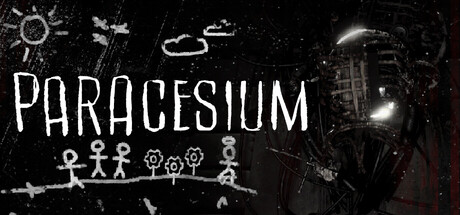
Paracesium is an indie horror game that thrives on tension, discomfort, and psychological pressure rather than relying on traditional survival horror formulas. Developed by YawnXL and published by NECRONOMISOFT, the game places players inside a disturbing laboratory where grotesque experimentation and relentless time management become the center of the experience. Instead of focusing heavily on combat or action, Paracesium builds fear through stress, isolation, and the unsettling routine of working with human remains in a decaying scientific facility. It is the kind of game that immediately creates unease and never fully allows players to relax afterward.
The setting is one of the strongest aspects of the entire experience. The laboratory feels oppressive from the moment the game begins, filled with dim lighting, industrial machinery, bloodstained workstations, and strange experimental chambers hidden within narrow corridors. Every room contributes to the atmosphere of decay and obsession. The game leans heavily into body horror themes, forcing players to interact directly with corpses, severed limbs, and grotesque biological experiments as part of their daily tasks. Rather than using excessive gore purely for shock value, the game makes these disturbing elements feel clinical and procedural, which somehow makes the atmosphere even more uncomfortable.
At the core of the gameplay is a time management system that constantly pressures players into making difficult decisions. Nearly every task consumes valuable time, whether it involves analyzing specimens, reorganizing materials, dismembering bodies, or investigating strange events occurring throughout the facility. This mechanic transforms ordinary actions into stressful choices because every second feels important. Players quickly realize that wasting time can lead to serious consequences, forcing them to prioritize tasks carefully while maintaining efficiency under pressure. The constant balancing act creates a unique kind of tension rarely seen in most horror games.
What makes the gameplay particularly effective is how the horror emerges naturally from the mechanics themselves. Players are not simply walking through haunted corridors waiting for scripted scares. Instead, they are actively participating in disturbing routines while attempting to survive mounting threats within the laboratory. Monsters and unknown dangers lurk within the darkness of the facility, interrupting tasks and creating moments of panic when players are already overwhelmed by responsibilities. The game succeeds because it combines mechanical stress with environmental horror, creating fear through vulnerability and exhaustion rather than relying entirely on sudden jump scares.
Visually, Paracesium embraces a grim industrial horror aesthetic that fits its themes perfectly. The environments are dark, dirty, and claustrophobic, with medical equipment, flesh-covered machinery, and decaying hallways reinforcing the disturbing atmosphere. The art direction may not rely on cutting-edge graphics, but it has a strong identity that makes the world memorable. The limited lighting and oppressive environmental design constantly make players feel trapped inside a nightmare disguised as a laboratory. Every room looks intentionally unpleasant, which strengthens the game’s psychological impact considerably.
Sound design also plays a major role in building tension. Mechanical noises echo through the facility while distant footsteps, metallic creaks, and strange biological sounds create constant paranoia. Even quiet moments feel threatening because the game uses silence effectively, forcing players to anticipate danger at all times. The soundtrack itself remains subtle for much of the experience, allowing environmental ambience and unsettling sound effects to dominate the atmosphere. This creates a constant feeling that something terrible may happen at any moment.
Another interesting aspect of Paracesium is its fragmented storytelling. The narrative slowly unfolds through scattered clues, environmental details, and cryptic information regarding mysterious experiments and a figure named Delilah. The game avoids lengthy exposition and instead encourages players to piece together the story themselves. This approach fits the overall tone because it maintains mystery while reinforcing the feeling of isolation. The laboratory itself tells much of the story through its disturbing design and hidden details.
The gameplay loop becomes strangely addictive despite the constant discomfort. Successfully managing tasks while surviving escalating dangers creates a satisfying sense of mastery. Every completed experiment or optimized routine feels rewarding because the game constantly pressures players to perform efficiently under horrifying conditions. The combination of horror mechanics and management systems gives the game a unique identity compared to more conventional indie horror releases.
That said, Paracesium is definitely not designed for everyone. The body horror themes are intense and may be too disturbing for some players, especially those uncomfortable with graphic experimentation and dismemberment imagery. The stressful nature of the gameplay can also feel overwhelming during later sections where multiple mechanics demand attention simultaneously. Some players may find the constant pressure exhausting rather than enjoyable.
The game also has occasional rough edges typical of smaller indie projects. Certain interactions can feel mechanically awkward, and a few animations or systems lack polish. There are moments where the controls or interface could have been smoother, particularly during stressful sequences requiring quick decisions. However, these flaws rarely overshadow the overall experience because the atmosphere and originality remain consistently strong.
What ultimately makes Paracesium memorable is its refusal to prioritize player comfort. It fully commits to creating an oppressive experience built around anxiety, disturbing imagery, and constant pressure. Instead of empowering players, the game traps them inside a horrifying routine where survival depends on efficiency and focus. The result is a horror game that feels genuinely unique because it builds fear through systems and atmosphere rather than relying solely on scripted moments.
For fans of psychological horror, experimental indie games, and deeply unsettling atmospheres, Paracesium delivers an experience that is both disturbing and strangely compelling. Its combination of time management mechanics, body horror aesthetics, and oppressive environmental storytelling creates a memorable descent into madness that lingers long after the game ends.
Rating: 710