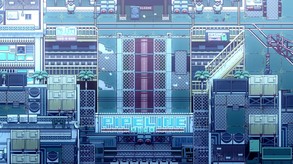
"WELCOME TO NEW KOZA" It's the end of the 20th century, on a historic timeline different from that which we know. A manmade island off the coast of Okinawa is humming with a dirty, exotic vibe - and it's awesome!
Modeled estimate, not a reported figure. How we estimate →
About
Stats
All-time low is the lowest price we've recorded for this game since we started tracking it.
Languages: Japanese, English, Simplified Chinese
Engagement
Hours played at review time, across 41 reviews with recorded playtime.
Reviews
Themes across 41 recent reviews and how positive each mention is. A keyword signal, not full sentiment analysis.
positive critical· bar length = how often the theme comes up
Reviews
I really wanted to like this game. The setpiece art and design is really overwhelming in a good way, it helps make the setting gripping. But unfortunately, the story hardly feels like anything substantial. "Let's kill Yakuza" is about all it seems to be. Whether or not it becomes anything else, idk. The gameplay is really boring, but I love the randomised weapon system. Feels really good. Music is pretty good, but feels so inconsistent and random. I wish it was more focused in that regard. Same with the visuals with the different colour schemes and filters. Instead of giving a bunch of options for visuals and effects that don't really look great, I wish they just decided on one specific look.
이상하게도 게임 아트에 한국어가 들어있지만, 정작 한국어 공식 지원은 없는 다른 의미로 레전드인 갓겜
charming little game
孩子们快跑,是字体模糊的复古像素回合制,疑似RPG制作大师手搓的游戏。
Orangeblood is a cyberpunk role-playing game that immediately separates itself from traditional JRPGs through its bold style, aggressive personality, and unusual fusion of retro aesthetics with modern urban culture. Developed by Grayfax Software, the game takes place on New Koza, an artificial island inspired heavily by Okinawan culture and futuristic street crime fiction. The world is filled with gangs, military organizations, corrupt authorities, underground clubs, neon-lit streets, and heavily armed outcasts trying to survive in a city consumed by violence and chaos. It is a game overflowing with attitude, combining classic turn-based combat with hip-hop influences, anime-inspired visuals, and gritty dystopian storytelling. The setting is easily the most memorable part of the experience. New Koza feels dirty, dangerous, and alive in ways many indie RPG worlds struggle to achieve. Every district is packed with personality, from rundown alleyways covered in graffiti to noisy bars and industrial sectors glowing under neon lights. The city constantly gives the impression that it exists beyond the player’s immediate story, with criminal organizations, shady businesses, and armed factions all contributing to the atmosphere. Rather than presenting a polished futuristic utopia, the game embraces urban decay and lawlessness, which gives the world a strong sense of identity. Visually, Orangeblood stands out because of its detailed pixel art and unique artistic direction. Character portraits are expressive and stylish, environments are densely packed with visual details, and enemy designs range from intimidating soldiers to bizarre cybernetic threats. The retro-inspired presentation clearly draws influence from classic 16-bit RPGs, but the game adds enough modern flair through lighting effects and urban design to avoid feeling like simple nostalgia bait. The overall aesthetic feels like a strange blend of underground anime culture, cyberpunk fiction, and street fashion. The soundtrack deserves particular praise because it carries much of the game’s atmosphere. Hip-hop and lo-fi-inspired beats dominate the soundtrack, giving exploration and combat a distinctive rhythm rarely heard in traditional RPGs. The music reinforces the urban tone perfectly, helping New Koza feel more like a living city than a generic science-fiction setting. Many tracks are memorable because they combine relaxing melodies with gritty undertones that match the game’s world and characters. The story follows Vanilla and a group of armed female mercenaries as they become involved in conflicts between gangs, military forces, and dangerous conspiracies hidden beneath the surface of New Koza. The narrative focuses heavily on style and personality, presenting a cast of characters who survive through violence, intimidation, and questionable morality. Dialogue is intentionally crude and filled with profanity, giving the game a rebellious tone that tries to imitate crime dramas and underground culture. Sometimes this approach works well, especially during comedic exchanges or absurd situations that fully embrace the game’s chaotic personality. At other times, however, the writing can become excessive. The constant attempts to sound edgy occasionally weaken the dialogue instead of strengthening it. Certain conversations rely so heavily on profanity and exaggerated attitudes that characters begin to feel less natural and more like caricatures. While the game’s aggressive tone is clearly intentional, it sometimes prioritizes shock value over meaningful character development. Combat follows a traditional turn-based structure but introduces randomized loot mechanics inspired by looter shooters and action RPGs. Weapons come with different modifiers, stats, and abilities, encouraging players to constantly search for stronger gear and experiment with builds. Characters can equip rifles, machine guns, shotguns, and futuristic weaponry while using unique skills and abilities during combat. The combination of classic JRPG systems with randomized equipment progression creates an interesting gameplay loop that initially feels refreshing. There is genuine depth in the customization systems. Different weapons dramatically affect combat efficiency, and discovering powerful combinations can be satisfying. Building party members around certain weapon types or skill synergies creates opportunities for experimentation, especially during tougher encounters where managing SP abilities and status effects becomes important. Combat also moves quickly enough that regular battles rarely become too slow or tedious during the early portions of the game. Unfortunately, balance issues become increasingly noticeable later in the adventure. Some weapons and equipment combinations become overwhelmingly powerful, allowing players to dominate enemies with little strategic effort. Once the player discovers particularly strong setups, much of the challenge disappears entirely. This weakens the tactical side of combat because battles eventually feel more dependent on overpowered loot than careful planning or strategy. Pacing is another area where the game struggles somewhat. While the world itself remains fascinating to explore, certain dungeons and combat-heavy sections begin to feel repetitive over time. Story progression occasionally slows because of lengthy stretches focused primarily on fighting enemies and grinding for better gear. The narrative also jumps between multiple ideas and plotlines without always giving enough time to fully develop them emotionally. Even with these flaws, Orangeblood remains difficult to forget because of how strongly it commits to its identity. The game constantly takes creative risks through its music, visual design, humor, and unusual worldbuilding. Few RPGs combine retro gameplay with cyberpunk street culture in such an unapologetically strange way. Even when certain mechanics or writing decisions fail, the game still feels unique compared to the vast majority of indie role-playing games. One of the most interesting aspects of Orangeblood is how confidently it mixes incompatible influences together. It blends classic JRPG combat, anime-inspired characters, hip-hop culture, cyberpunk dystopia, gang warfare, and randomized loot systems into something messy but undeniably original. The game may lack the polish and balance of larger RPGs, but it compensates with personality and atmosphere. Orangeblood ultimately succeeds because of its style, music, and worldbuilding more than its storytelling or mechanical depth. The game creates a memorable urban cyberpunk setting supported by excellent pixel art and an outstanding soundtrack that constantly reinforces its rebellious tone. While repetitive combat, uneven balancing, and inconsistent writing prevent it from reaching its full potential, the overall experience remains compelling because of how different it feels from most modern RPGs. For players looking for a stylish and unconventional indie RPG with a strong visual identity and unique atmosphere, Orangeblood offers a fascinating journey through a chaotic cyberpunk world filled with attitude, violence, and unforgettable style. It is flawed, messy, and occasionally excessive, but its creativity and personality make it an experience worth exploring for fans of experimental role-playing games. Rating: 7/10
Orangeblood is NOT a good game. Does it have good art? Yes. But the does the gameplay live up to it? Heck no. The story is a complete mess. Basically, the main character Vanilla is on an island fighting over power and getting into conflicts with other criminal organisations after being employed by her client named "Iceman", who later turns out to be a clone of Jesus, which was lacklusterly teased throughout the story. But does this mean anything? No. Nothing in the story carries any weight, nor do they carry any correlation. The entire thing's whole goal is to be as edgy as possible by using as many words related to crime, jargon and vulgar language. The dialogue isn't fun to read and somehow the side quests have a better narrative than the main story. The gameplay is, to but it bluntly, boring. You start with 2 characters, ending with 4, with each character having a unique skill (with the exception of Machiko, who has 2). Each character can carry a gun for combat, which needs to be reloaded. Every non-boss fight is trivial and follows the same formula: spam the attack skills and one turn kill everything. There are many unique enemies with nice designs, but it doesn't make a difference if they're just fodder anyway. And even boss fights more or less follow the same formula: try to survive the boss' onslaught until you can use your skills to nuke them. The system is just not that deep considering every character only has one skill and the guns don't change your game plan in any meaningful way. The boss fights are the only interesting part of combat, but most of the time, you're just wasting time farming, as you need good gear and moderate levels to stand a chance, which is the most frustrating part of the entire game: 80% of the time, you're not playing a game, you're brainlessly clicking the same buttons over and over, farming mobs and looking at equipment you get from RNG loot crates. And in the late game, the achievement bosses are just so overpowered that you are forced to do so, as you are either too low level or need specific unique gear, demotivating me in trying to 100% the game. The main scenario was tolerable, but I still had a really hard time with the first boss as I just didn't have good equipment and only cleared it by getting lucky. But that might not be the same for everyone, as all equipment obtainable in-game is randomised. Additionally as soon you want to egage with endgame content, get ready to grind the life out of yourself. Simply put, Orangeblood uses it's appealing art to lure you to play the farming simulator disguising itself as a game while not respecting your time. Especially with it's price tag, it's just not worth it. I wanted to like the game, but it's important to recognise the game for what it is beyond just the nice art.
incredibly frustrating stuttering and the UI is very difficulty to read the text at times. The map is very confusing to navigate and it is very unclear about directions.
虽然只是RM游戏,道具复杂度却高得离谱,以至于玩不下去,这还是第一次…… 虽然只花了14块钱,但是不快乐就是不快乐。
優點不多,但是美術風格挺不錯的,角色也很可愛 但是技能很少,導致每個角色能做的事情很固定 另外裝備很多隨機數值,想收集的話要刷很久 要解成就的話注意某關打BOSS前要先把錢全拿了,不過拿越多BOSS會越強
This game is so awesome, i love it so much also this game needed sequel
Related
Related
Trends
Concurrent players on Steam, sampled daily since tracking started.
Audience
Estimated from the language of this game's reviews — a proxy for where players are, not official Steam demographics.
Related
| Colony Siege | $144.8K | 258 | 93% | $19.99 |
| Dungeon Keeper™ 2 | $144.8K | 1.3K | 92% | $4.99 |
| Mr. DRILLER DrillLand | $144.9K | 366 | 81% | $29.99 |
| Intruders: Hide and Seek | $144.9K | 352 | 72% | $19.99 |
| Ocean Keeper: Dome Survival | $144.8K | 902 | 80% | $4.99 |
| TRI: Of Friendship and Madness | $144.9K | 510 | 85% | $14.99 |