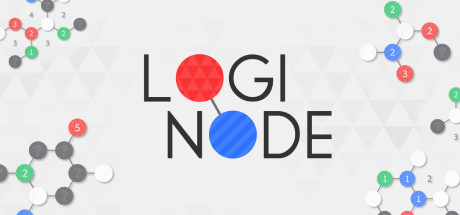
LogiNode is set in a web of nodes that are either blank or colorful, but most of them are hidden. Your job is to deduce whether the hidden nodes are blank or colorful, using the information they give you. If you like challenging Minesweeper-like games that do not require guessing, this is for you!
Modeled estimate, not a reported figure. How we estimate →
Media

About
Genres
Stats
All-time low is the lowest price we've recorded for this game since we started tracking it.
Languages: English**languages with full audio support
Engagement
Hours played at review time, across 25 reviews with recorded playtime.
Reviews
[b]may 2022 edit:[/b] price increase from ridiculously low to still very much reasonable, no argument from me. [b]loginode[/b] is yet another guessing-free minesweeper-like, though this one has nodes with numbers connected to each other instead of a grid, plus no indication of the total number of marked nodes, so might as well lose the minesweeper comparison early on (the store page started it!) and simply call it a deductive puzzler. it was a bit iffy on release, but the developer fixed and added pretty much everything reported and requested in a couple of days, including the all-important [b]mid-level saving[/b]. unfortunately, it only saves the progress of the last level you quit, can't have multiple on the go, but better than nothing. [b]107 levels[/b], 5 of which are unnumbered tutorials as new mechanics (including lovely hexagons) get introduced. more than one level is available at any time, always nice. in fact, each tutorial unlocks all the levels until and including the next one, so there are basically 5 level packs with a varying number of levels, and they can be unlocked pretty fast. solving them is another matter, of course, though [b]there's not much of a difficulty curve[/b] within the 'packs'. controls are simple: left click to mark a node as 'colorful', right click to mark as blank, and [b]middle mouse to mark as maybe[/b] also got patched in (it alternates between not marked, maybe colorful and maybe blank), and you can switch mouse button functionality too. [i]green nodes[/i] show the nearest colorful node, so if you see 1 and a question mark next to it, that will also be colorful, if there are three nodes, the first has a 2 and the other two are question marks, the second will be blank, the third colorful, and upon selection it will show a 2 as well. simple concept, but of course difficulty ramps up with [i]blue nodes[/i] highlighting the second closest node (which can be the same as the closest), [i]red nodes[/i] indicating the third closest (again, can the same as the first and second), [i]purple nodes[/i], yep, the fourth closest. [b]hexagons[/b] with a number inside (not on a node) hint at the number of colorful nodes among the ones making up the hexagon. or not, because the game interprets hexagons very loosely. the 3-star rating is based on the number of mistakes (or misclicks) you make. couldn't care less about it, it's not like I'm gonna guess my way through a game like this, nor am I gonna restart just because I clicked the wrong thing accidentally, so [b]a toggle was added to hide the mistake counter[/b]. since each node can only be one of two things, a misclick essentially decides the matter and it's harder to un-see things than avoid seeing them at all, so [b]it'd be even better if error highlighting was optional[/b], like in a good nonogram. let me figure it all out and if I'm correct, *ding*, level complete. there's also a [b]hint button[/b] and it's actually pretty neat. instead of revealing a node, it just shows which one can be deduced based on the current situation, so you can concentrate on figuring out if it's blank or not. no repercussions for using it either. the presentation is pleasantly minimalistic, clean and done well. settings include separate volume settings, resolutions, windowed mode, dark mode, large ui (also embiggens the nodes) and high quality graphics toggles, and after a patch they are available while playing a level as well. there's an exit button and on-screen level numbers, but [b]alt+tabbing doesn't work properly when in full screen[/b]. the taskbar is visible but the game remains on top, no matter which window you switch to. I was told it's the engine's fault, so it may or may not get fixed at some point. it's a [b]really good puzzler done really well and with plenty of content[/b]. the developer is responsive and the price was actually too low on release in my opinion (so much lazy trash that costs so much more), so the increase from $1 to $3 a month later was very much understandable and it's still [b]absolutely recommended[/b]. saving should still be improved though.
《LogiNode》是一个简单且比较有趣的“类扫雷”逻辑解谜游戏。 本作中,每个关卡是在一张图上进行的,这里的图是图论里的图,就是由“结点”和结点之间的“边”构成的结构。每个结点可以是白色或者彩色,其中彩色的结点上会有数字线索,提示它周边的彩色点的分布情况,玩家的目标就是通过逻辑推理,逐渐推出所有未知结点是白色还是彩色。 可以看出这很像扫雷,就是这个数字线索比较有意思,它并不是普通的“区域计数”线索(指示某个区域内的雷数),以绿色点为例,绿色点上面的数字指出的是,与该点距离[b]最近[/b]的彩色点和该点的距离值。不同颜色的点所指示的值意思不尽相同,但所指出的都是一个距离值,比如蓝色点指出的是和该点距离[b]第二近[/b]的彩色点和该点的距离值,红色点指出的是和该点距离[b]第三近[/b]的彩色点和该点的距离值,以此类推。其中“距离”指的是在图上,从一个点经过图上的边走到另一个点,最少要经过的边数。 乍一看挺有意思,确实也能产生一定的新鲜感,但如果你仔细思考,你就会发现这种线索完全可以被转化为类似“区域计数”的等价条件,而一旦你发现了如何转化,那这个游戏独特的部分基本上就算是结束了,因为转化完后,你需要用到的技巧和在只有区域计数线索的扫雷中所用到的技巧就并没有什么不同的了,而在这个方面,本作就并没有更胜一筹的设计了,就算不拿《Tametsi》这个老大哥来比也一样。为了证明我说的话,我会把这个等价条件写出来,但我认为这会是重大的剧透,因此我强烈建议你先自己思考可以如何转化。 “距离该点第k近的彩色点与该点距离为n”的等价说法是:[spoiler]在和该点距离≤(n-1)的所有点中(除了该点),有<k个彩色点,[b]而且[/b]在和该点距离≤n的所有点中(除了该点),有≥k个彩色点[/spoiler]。如果你看过我的《Tametsi》评测,你就会知道这种条件大多数时候用[spoiler]不等式法[/spoiler]就可以处理了,还提供了天然的[spoiler]区域中雷数的不等关系[/spoiler],实在不行,用我在那篇评测里列举的方法也肯定够用,可能还杀鸡用牛刀了。 总之,本作还是有点意思的,但使用的逻辑实际上和一般扫雷差别不大。我自己没有打完,在想出上述的核心trick后,感觉本作很多谜题确实有些大同小异了,但闲着没事还是可以拿来消遣一下的。 结论:[b]可以推荐[/b]。 最后从本作上升,聊一聊“类扫雷”这个类型。这类游戏我现在也是玩过了一些,不过也没多少,一开始玩的《Hexcells》系列,之后玩了《Tametsi》,中间也稍微玩了一点正在开发中的《14 Minesweeper Variants》的Demo(真的只是稍微玩了一点,我想的是在完整版发售后再深入玩),Thinky Puzzle Jam 2的参赛作品《Unveiling》,当然还有本作。 这些游戏各有各的特点,《Tametsi》可能是在线索类型上最纯粹的,只有“区域计数”型线索,但这个“区域”可以指一个格的相邻格、一条直线,或者是某个颜色的所有格子,配合异形网格,可以整出来一些很有趣的高级技巧。 《Hexcells》的线索类型稍多一些,除了区域计数线索,还可以指示这些雷之间是全部相连的,还是有断开。不过这个游戏只有六边形网格,官方关卡也相对简单很多,技巧性不高,但玩家自制关卡就很花里胡哨了,可以用文字描述一些官方关卡中没有的自制规则,比如“?表示相邻格内的雷数为奇数”之类,这自然也就可以非常困难,其中大多数谜题我不太能理得出头绪。 本作的特点就是独特的线索类型,但由于可以转化为类似区域计数的形式,所以就不是特别有特点了。 《14 Minesweeper Variants》肯定应该就是官方关卡中变种规则最多的了,这个我还没深入玩,但估计玩起来和只有区域计数线索的《Tametsi》一定非常不同,肯定需要用到完全不同的另一套技巧,很可能也会更难。 《Unveiling》表面上和微软扫雷最像,但它是以回合为单位进行的,每个回合中,玩家需要将目前可以推出的所有的不是雷的格子全部标注出来,才可以进入下一回合,此时所有被标注的格子才会被翻开。其中最诡异的就是“可以推出”的定义,除了用谜题内的线索推理之外,将“唯一可解性”作为前提进行推理,比如使用这样的逻辑——某个格子是雷会导致整个谜题不可能得出唯一解(必须要猜),那么这个格子就不是雷,因为谜题必须可以得出唯一解——也是可以的,而又由于这部作品的“回合”性质,在很多时候,玩家都必须要用“唯一可解性”得出一些用普通推理得不到的结论。可以说是我玩过的类扫雷中最诡异的一个。 总的来说,就算变种规则再花哨,它们都保持了“扫雷”的核心,即线索并不是在一开始全部给出,而是在推理过程中被逐渐揭示,只要没到最后一刻,都会存在一些使用现有线索不能确定是不是雷的格子,这点就是“类扫雷”逻辑解谜和一般的纸面谜题(数独等)的主要区别。而从另一个角度来看,只要保持这个核心不变,那其他的规则都可以和微软扫雷完全不同,自然也可以引出完全不同的逻辑和技巧,因此,“类扫雷”实际上是一个值得探究的逻辑解谜类型。让我们期待未来的相关作品吧。
LogiNodeは論理系抽象パズルゲームです。 〇が棒で接続されており、それぞれの〇に数字が入るか、それともカラッポかを初期配置から理詰めで推論してひとつひとつ開けていく感じです。数字が入っている場合はその数字がまた新たな手がかりになり、最終的に全部の〇が確定したらクリア、というのが基本的な流れです。こう書くとマインスイーパーに似ている感じがしますね。実際、プレイ感覚はマインスイーパーで込み入った部分を考えているときと似ているように思います。 ただし、マインスイーパーは間違えて地雷を踏んでしまうと即ゲームオーバーですが、このパズルは間違えるとその瞬間にBeepが鳴って失敗がカウントされるだけで、そのまま継続することができます。継続してクリアしたら、間違えた数だけ評価の☆が減りますが、間違えた時点でリスタートして最初からやり直せば、特にペナルティはありません。…ということは、失敗覚悟でどんどん開いていって、正解を把握したら最初からやり直せば、あっという間に全部☆☆☆(最高評価)でクリアできるわけですけど、そのあたりはプレイヤーの考え方次第でしょうか。 ちなみにこのゲームは、全問完全に論理で解けることが保証されており、ランダム生成のマインスイーパーにありがちな運任せで開くしかないところが出てくることはありません。また、どうしてもルールの記述が厳密に把握できず混乱するときは、作者の書いた補足的な説明がガイドに上がっていますので、読んでみるのも良いかと思います(英語)。 難易度的には、問題によってけっこう上下するみたいで、1分もかからずに簡単にクリアできるものもあれば、20分ぐらいウンウンうなって考えるようなものもありました。平均すれば1問あたり5分程度ですかね…。全部で102問。今のところ実績もありませんので、行き詰まったときのモチベーションの保ち方が難しいかもしれませんけど、手がかりがひらめいたときの感覚や自力で解けた時の達成感はパズル好きにはたまらないところでしょう。 粘り強く気長に取り組める人にはぜひおすすめしたい良質なパズルだと思います。
Je joue sur Linux. Version Linux : non. Proton : excellent. [h1]Le jeu[/h1] Un casse-tête minimaliste type démineur. Chaque noeud indique à quelle distance est le n-ième noeud (avec n de 1 à 4) le plus proche. La logique est un peu difficile à appréhender au début : le principal obstacle est que si le jeu indique un noeud indique une distance de X, cela ne signifie pas qu'il y a un seul noeud à X. Il peut y en avoir plusieurs. Si au début, on a que des niveaux à n=1, on a rapidement n=2, puis plus tard 3, et enfin 4. La difficulté est assez variable, certains niveaux m'ont donné à réfléchir plusieurs minutes tandis que d'autres sont résolus en quelques secondes. Le jeu propose de donner à tout moment un indice sans pénalité, en indiquant quel noeud il est possible de catégoriser, sans nous dire s'il est coloré ou pas. A nous de faire la déduction, mais au moins on sait quoi chercher. J'aime bien le concept, ça permet de ne pas rester bloqué trop longtemps sans toutefois avoir directement la solution. Dans l'ensemble, on est clairement pas au niveau de Tametsi pour la difficulté, mais on est pas non plus sur un truc basique. Côté réalisation, c'est minimaliste... mais le jeu a toutes les options qu'il faut, notamment le mode sombre que je trouve appréciable. [h1]Rejouabilité, achievements[/h1] Aucun achievement, aucune rejouabilité : il y a un nombre prédéfini de niveaux, et pas de mode aléatoire/infini. [h1]En bref[/h1] Dans l'ensemble, un bon jeu de déduction. Recommandé. [h1]GNU/Linux[/h1] Le jeu tourne sans problèmes avec Proton 7.0-4. OS: Linux Mint 21, MATE edition. Hardware : 5950x, Nvidia 3080Ti, 64GB ram. Screens : Dualscreen, 1x 4K & 1x 1920x1200, un seul screen X.
An entertaining new spin on the Minesweeper formula.
Very good puzzle, similar to Hexcells and Tametsi. Don't listen to the negative comments with people who do not understand the rules, there is zero guessing in this game, everything can be logically deduced. The only negative is that while the puzzles start strong, the challenge drops significantly half way through and it feels like they are not in ascending order of difficulty, and some are just too easy.
[h1] 5 / 10 [/h1] So much potential on this one... but game mechanics aren't clear enough. It seems like you can get into situations where you have to guess, if you solve puzzle in a different order than author probably tested for. For example level 22, it is possible to land at 50/50 guess for where last colored tile is if you solve puzzle in "wrong correct" way. (1s already have colored tiles next to them, there is 2 3s which point to two tiles with one missing colored tile). It might be possible that I was missing something, which brings me to the main negative point.. game rules aren't explained well enough and game could most likely show information better (like what tiles are affected by colored tile's number). Overall idea is solid and there can be a good game (it runs well, looks clean and though has gone to it), but it clearly isn't for everyone. My review is mostly a neutral one, but for me game didn't meet the expectations so I give thumbs down.. but for others the game has clearly clicked better, so their reviews can be the positive side.
Best minesweeper-like game I've played since Hexcells. Thoughtful UI and presentation. This deserves to be much better known.
Pretty good, has great level design and graphic design Would want an endless random generation version too though..
Solid minimalist puzzler. Clean design, no guessing, reasonable QoL. Runs great on Steamplay.
Related
Related
Trends
Concurrent players on Steam, sampled daily since tracking started.
Momentum
Pace estimated from the game's recent review growth (our daily snapshots) at its own sales-per-review ratio — a momentum signal, not booked sales.
Audience
Estimated from the language of this game's reviews — a proxy for where players are, not official Steam demographics.
Related
| Invisibox | $1K | 92 | 88% | $0.75 |
| Nokori | $1K | 62 | 48% | $0.99 |
| Brain Break | $1K | 180 | 70% | $0.49 |
| Magical Girl Dash | $1K | 59 | 93% | $0.99 |
| Most Correct Football Simulator | $1K | 77 | 74% | $0.49 |
| Invention 3 | $1K | 81 | 72% | $0.69 |