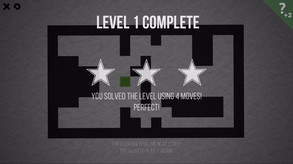
Invisibox is a tough puzzle game where you have to solve sliding puzzles by controlling invisible boxes while avoiding various obstacles.
Modeled estimate, not a reported figure. How we estimate →
Media

About
Stats
All-time low is the lowest price we've recorded for this game since we started tracking it.
Languages: English
Engagement
Reviews
Themes across 40 recent reviews and how positive each mention is. A keyword signal, not full sentiment analysis.
Reviews
Nagyon jó nyugtató puzzle játék, csak ajánlani tudom.
The box vanishes like a stage magician each level is a new trick and I’m still looking for the catch.
还行
Related
Related
Trends
Modeled estimate over time, reconstructed from Steam's monthly review histogram.
Hours played at review time, across 40 reviews with recorded playtime.
positive critical· bar length = how often the theme comes up
Invisibox, developed and published by Retrific, is a puzzle game built around a deceptively simple but genuinely inventive idea: navigating objects you cannot see. While it borrows the basic structure of grid-based puzzle games, it strips away visual certainty and replaces it with reliance on memory and spatial awareness. This single design choice transforms what would otherwise be a familiar experience into something far more mentally demanding, asking players to think ahead, track movement internally, and trust their own understanding of the level rather than what is directly visible. The core objective is straightforward—guide invisible boxes to their designated positions while avoiding obstacles—but the execution makes even the simplest tasks feel intricate. Each move requires careful consideration, as you must mentally reconstruct the positions of objects after every action. The absence of visual feedback forces you to build a mental map of the level, turning progression into a process of deduction and recall. Early levels introduce this concept gently, allowing players to become comfortable with the idea of “seeing without seeing,” but the difficulty escalates steadily as more elements are layered into the environment. As the game progresses, additional hazards and mechanics are introduced to complicate the puzzle space. Obstacles require precise positioning, and the margin for error becomes increasingly narrow. What begins as a manageable exercise in memory evolves into a demanding challenge that tests both planning and adaptability. The design remains consistent throughout, focusing on expanding the complexity of situations rather than introducing entirely new systems. This approach keeps the experience cohesive, though it can also make later stages feel like intensified versions of earlier ones rather than entirely new challenges. One of the more thoughtful aspects of Invisibox is its inclusion of a system that allows players to briefly reveal the invisible elements. This feature acts as a safety net, helping players recalibrate their understanding of the level when things become too confusing. It doesn’t remove the challenge, but it provides a way to recover from mistakes without restarting entirely. This balance between difficulty and accessibility makes the game more approachable, especially for those who may find the core concept overwhelming at first. The presentation is intentionally minimal, supporting the gameplay rather than competing with it. Clean, uncluttered environments ensure that players can focus entirely on the puzzle mechanics, and the lack of visual distraction reinforces the central idea of relying on internal visualization. The audio design is similarly restrained, offering subtle cues that complement the experience without drawing attention away from the task at hand. This simplicity works in the game’s favor, creating a focused and immersive atmosphere. However, the same minimalism that defines the game also limits its scope. The core mechanic, while clever, does not evolve significantly beyond its initial premise. The challenge comes from increasingly complex arrangements rather than new ideas, which can lead to a sense of repetition over time. Additionally, the reliance on memory and trial-and-error may not appeal to all players, particularly those who prefer more visually intuitive or logic-based puzzles. Once the novelty of the concept wears off, the experience can feel somewhat one-dimensional. Replay value is also limited. While the game includes a rating system that encourages efficient solutions, the primary satisfaction comes from solving each puzzle for the first time. Once completed, there is little incentive to revisit levels unless you are aiming for perfection or simply enjoy refining your approach. In the end, Invisibox stands out as a creative and focused puzzle experience that builds entirely around a single, well-executed idea. It challenges players to think differently, relying on memory and spatial reasoning in a way that few games attempt. While its scope is modest and its appeal somewhat niche, it delivers a unique and engaging experience for those willing to embrace its unconventional approach. Rating: 7/10
Invisibox, görünmez kutuları kontrol ederek kayan bulmacaları çözmeye dayalı ilginç bir puzzle oyunu. Minimalist ama zekâ gerektiren tasarımıyla beyin jimnastiği yapmayı seviyorsanız eğlenceli. Bazı bölümler gerçekten zorlayıcı olabiliyor ama yine de bulmaca severler için keyifli bir deneyim.
🧠 《Invisibox》简评: 这款游戏是一款由 Retrific 开发的解谜游戏,玩家需要控制不可见的方块,解决滑动谜题,避开各种障碍。 优点: 创新玩法:控制不可见的方块进行解谜,提供了独特的游戏体验。 关卡丰富:游戏包含近 100 个手工制作的关卡,挑战性逐步提升。 辅助功能:提供“Visibox”模式,使方块可见,降低游戏难度,适合不同水平的玩家。 缺点: 视觉引导不足:由于方块不可见,部分玩家可能在游戏过程中感到迷失方向。 界面简陋:游戏界面设计较为基础,缺乏美观性。 重复性高:部分关卡设计相似,可能导致玩家感到乏味。 总体而言,《Invisibox》是一款具有创新玩法的解谜游戏,适合喜欢挑战记忆和空间感知能力的玩家。然而,其在视觉引导和界面设计方面还有提升空间。 ⭐⭐⭐(3/5)
☀️
⣿⣿⡻⠿⣳⠸⢿⡇⢇⣿⡧⢹⠿⣿⣿⣿⣿⣾⣿⡇⣿⣿⣿⣿⡿⡐⣯⠁ ⠄⠄ ⠟⣛⣽⡳⠼⠄⠈⣷⡾⣥⣱⠃⠣⣿⣿⣿⣯⣭⠽⡇⣿⣿⣿⣿⣟⢢⠏⠄ ⠄ ⢠⡿⠶⣮⣝⣿⠄⠄⠈⡥⢭⣥⠅⢌⣽⣿⣻⢶⣭⡿⠿⠜⢿⣿⣿⡿⠁⠄⠄ ⠄⣼⣧⠤⢌⣭⡇⠄⠄⠄⠭⠭⠭⠯⠴⣚⣉⣛⡢⠭⠵⢶⣾⣦⡍⠁⠄⠄⠄⠄ ⠄⣿⣷⣯⣭⡷⠄⠄⢀⣀⠩⠍⢉⣛⣛⠫⢏⣈⣭⣥⣶⣶⣦⣭⣛⠄⠄⠄⠄⠄ ⢀⣿⣿⣿⡿⠃⢀⣴⣿⣿⣿⣎⢩⠌⣡⣶⣿⣿⣿⣿⣿⣿⣿⣿⣿⣿⣆⠄⠄⠄ ⢸⡿⢟⣽⠎⣰⣿⣿⣿⣿⣿⣿⢀⣾⣿⣿⣿⣿⣿⣿⣿⣿⣿⣿⣿⣿⣿⣦⠄⠄ ⣰⠯⣾⢅⣼⣿⣿⣿⣿⣿⣿⡇⣾⣿⣿⣿⣿⣿⣿⣿⣿⣿⣿⣿⣿⣿⣿⣿⡄⠄ ⢰⣄⡉⣼⣿⣿⣿⣿⣿⣿⣿⢸⣿⣿⣿⣿⣿⣿⣿⣿⣿⣿⣿⣿⣿⣿⣿⣿⣧⠄ ⢯⣌⢹⣿⣿⣿⣿⣿⣿⣿⣿⢸⣿⣿⣿⣿⣿⣿⣿⣿⣿⣿⣿⣿⣿⣿⣿⣿⣿⠄ ⢸⣇⣽⣿⣿⣿⣿⣿⣿⣿⣿⠸⣿⣿⣿⣿⣿⣿⣿⣿⣿⣿⣿⣿⣿⣿⣿⣿⣿⠄ ⢸⣟⣧⡻⣿⣿⣿⣿⣿⣿⣿⣧⡻⣿⣿⣿⣿⣿⣿⣿⣿⣿⣿⣿⣿⣿⣿⣿⣿⠄ ⠈⢹⡧⣿⣸⠿⢿⣿⣿⣿⣿⡿⠗⣈⠻⣿⣿⣿⣿⣿⣿⣿⣿⣿⣿⣿⣿⣿⡇⠄ ⠄⠘⢷⡳⣾⣷⣶⣶⣶⣶⣶⣾⣿⣿⢀⣶⣶⣶⣾⣿⣿⣿⣿⣿⣿⣿⣿⣿⠇⠄ ⠄⠄⠈⣵⣿⣿⣿⣿⣿⣿⣿⣿⣿⣿⢸⣿⣿⣿⣿⣿⣿⣿⣿⣿⣿⣿⣿⣿⠄⠄ ⠄⠄⠄⠸⣿⣿⣿⣿⣿⣿⣿⣿⣿⣿⠘⣿⣿⣿⣿⣿⣿⣿⣿⣿⣿⣿⣿⠇⠄⠄
just bought it for the backgrounds tbh
-_-
Momentum
Pace estimated from the game's recent review growth (our daily snapshots) at its own sales-per-review ratio — a momentum signal, not booked sales.
Audience
Estimated from the language of this game's reviews — a proxy for where players are, not official Steam demographics.
Related
| Hidden Cats: Rome | $982.7 | 58 | 95% | $0.99 |
| Nokori | $983.9 | 62 | 48% | $0.99 |
| Gachi Bird | $983.9 | 60 | 83% | $0.99 |
| 魔法少女は自由に変身できない。 | $983.9 | 59 | 98% | $0.99 |
| Poor Stickman | $984.5 | 66 | 79% | $0.69 |
| I Touched Tips with a Femboy | $985.3 | 96 | 86% | $0.99 |