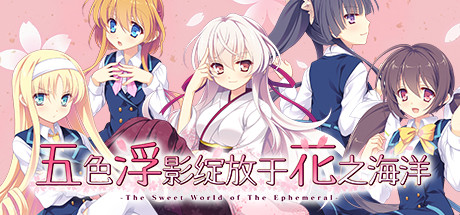
《五色浮影绽放于花之海洋》是由日本知名美少女游戏品牌Applique制作的和风传奇作品。由名作《月影魅像-解放之羽-》与《黄昏的禁忌之药》的原班人马打造。由小田原箱根担当人物设计与原画,由桐月担当剧本,由鹰石忍制作音乐。主题歌《华历》由知名歌姬Ayumi.献唱,曾荣获萌系游戏大赏的年度主题曲金奖。
Modeled estimate, not a reported figure. How we estimate →
Media
About

Genres
Stats
All-time low is the lowest price we've recorded for this game since we started tracking it.
Languages: Japanese*, Simplified Chinese, Traditional Chinese*languages with full audio support
Engagement
Hours played at review time, across 51 reviews with recorded playtime.
Reviews
Themes across 51 recent reviews and how positive each mention is. A keyword signal, not full sentiment analysis.
positive critical· bar length = how often the theme comes up
Reviews
14h玩完,7.5/10,“民宿悬疑”之作,总体剧情一般,妹药社的立绘和cg个人觉得真心一般,也就真女主塑造的还可以
先烧个纸 这一部的剧情,或者说这个会社的作品都不会像柚子那样甜到发腻,而是靠剧情引人入胜的。我是很喜欢这种风格,不过它未必适合所有人群。
Played Hana no No ni Utakata no for the first time! Actually, I've been longing for this game since I saw it on the store page of HF. On seeing Ouka's charming look, my hear was spellbound immediately. Then I made my mind that I must get it into my library. I bought it right after it was released but sadly I didn't start playing it right away because of my school work. Now I have 3 days off and it's finally time to embrace this game (especially Ouka)! Anyway, I strongly recommend it to those who love lovely girls with white hair:) Oukasou is a great place you should never miss!
桐月难得的兼顾了多女主塑造的一部作品,日常注水的问题虽然存在但还算能接受。 除了一贯的真女主超绝TE之外,本作最让我意外的是学姐路线,印象是除了樱花之外最深的一条路线了。 但相比同社团的其他作品来说,更偏向于日常定位,缺少危机的紧迫感,不过并不算是坏事。
“我宁愿为了你存在于世而失去光明,也不愿坐等你消失而失去你的温暖”
虽然这游戏,其他角色做到有点敷衍,但樱花蛮不错对吧
剧情可以说是相当无聊了,基本没有推进的兴趣,情感方面的塑造相当差了
7,很舒缓的一部民俗作。大概分了几天时间推完吧,对于不是民俗爱好者的我想一次性推完这部很平缓几乎没有什么大起伏的作品还是太容易玩累了2333。总的来说是部很好的作品,音乐很好听,内容很舒缓,人设讨喜,有这几点就足够了。PS:单元剧串连,有悬疑也有推理,氛围这块也有,故事这块也挺好,但就是觉得哪里差了点味,对上这种感觉的玩家或许会很喜欢。这部音乐真不赖,到时候听听。妹药社喜欢在全通关之后来个全角色祝贺CG啊,好想法,可惜妹药社已经无了。几个角色也不赖,要我说白毛才是对的。
Hana no No ni Saku Utakata no is a visual novel that thrives on quiet emotion, understated beauty, and a wistful atmosphere that lingers long after you close the game. It invites players into a small, almost forgotten corner of adolescence — a place where time seems to pass more slowly, where memory and reality gently overlap, and where the supernatural exists not as spectacle but as a subtle echo of the heart. The story follows a second-year student who moves into the old, slightly creaking boarding house known as Sakurazaki-sō. This new environment becomes the setting for a series of understated but emotionally resonant encounters, especially after he discovers that one of the girls he meets claims to be a ghost. The supernatural element does not dominate the narrative; instead, it provides a soft, melancholic lens through which themes of memory, regret, and the traces people leave behind are explored. A defining feature of the protagonist is his unusual ability to see lingering “colors” in objects — emotional residues left behind by the people who once touched them. This small, intimate detail becomes a recurring motif throughout the narrative, shaping the tone of the story with a poetic sense of transience. The ability reflects the central theme: that every person, every moment, and every place carries echoes of emotion, even if they’re invisible to most. This motif gently ties the supernatural to the everyday, allowing the narrative to drift naturally between grounded slice-of-life scenes and quiet moments of spiritual introspection. The boarding house setting reinforces this mood, with its comfortable atmosphere, warm routines, and the soft tension of new relationships forming in the corners of shared living spaces. Structurally, the game follows a route-based format centered around several heroines, each route exploring different emotional nuances and personal histories. These romance arcs aren’t driven by dramatic twists or high-intensity conflict; instead, they rely on subtle exchanges, misunderstood feelings, childhood bonds, and the slow unraveling of past wounds. One of the more charming aspects of the narrative is how it handles its “osananajimi” childhood-friend route — a familiar trope handled with enough warmth and sincerity to feel refreshing rather than trite. Other routes lean more heavily into bittersweet themes, especially when dealing with characters burdened by the shadows of their past or by the fragile nature of the supernatural presence lingering around Sakurazaki-sō. The pacing is intentionally gentle, often drifting into scenes of simple daily life, soft humor, and small moments that gradually build into emotional significance. Artistically, the game adopts a soft, calming style that matches its thematic tone. The use of muted colors, delicate shading, and understated backgrounds gives the entire experience a warm, nostalgic aesthetic. Character designs are simple and clean, occasionally bordering on generic, but they fit the relaxed nature of the story. Their visual simplicity allows emotion and expression to take center stage even when the plot remains tranquil. Combined with the serene soundtrack and subtle ambient effects, the visual and auditory presentation helps reinforce the story’s introspective character. The game also provides extra scenes and fragments that offer alternative perspectives or small follow-ups to certain routes, extending the emotional arcs without overwhelming the experience. Despite its strengths, Hana no No ni Saku Utakata no is not without shortcomings. The calm pacing, while deliberate, can feel slow or meandering for players accustomed to more dramatic or tightly structured visual novels. The emotional stakes remain low for large portions of the story, which may make some routes feel too light or lacking in urgency. The supernatural premise, particularly the presence of the ghost heroine and the protagonist’s ability to see emotional “colors,” could have been explored with greater narrative depth; sometimes these intriguing ideas remain quiet background elements rather than fully developed thematic pillars. Additionally, while the art style suits the tone, it may leave some readers wishing for sharper stylistic individuality or more memorable character designs. Yet the game’s appeal lies precisely in its gentleness. It is not a visual novel that seeks to overwhelm the reader; instead, it whispers its themes and asks you to lean in. Its charm emerges from the interplay between soft romance, muted sorrow, and the fleeting experiences of youth. For players who appreciate reflective slice-of-life storytelling, mild supernatural flavoring, and relationships built on slow trust and emotional warmth, the game becomes a soothing and heartfelt experience. It may lack the dramatic impact or narrative grandeur of more ambitious titles, but it compensates with a thoughtful, melodic sense of nostalgia. Hana no No ni Saku Utakata no is ultimately a quiet, emotionally tender work — one that captures the beauty of small moments and the gentle ache of memories that refuse to fade. Rating: 9/10
日常节奏慢,平平淡淡,不推荐没玩过gal的人玩,设定挺新鲜,色彩设定 碎片剧情有铺垫,有联系,不错,逻辑还行
Related
Related
Trends
Concurrent players on Steam, sampled daily since tracking started.
Audience
Estimated from the language of this game's reviews — a proxy for where players are, not official Steam demographics.
Audience
Games most often reviewed by the same players — an audience-affinity signal from our review sample, not full ownership data.
Related
| Euro Truck Simulator 2 | $421.6M | 932.1K | 97% | $19.99 |
| Battlefield™ 2042 | $256.9M | 325.3K | 47% | $59.99 |
| Marvel’s Spider-Man Remastered | $130.9M | 135.7K | 96% | $59.99 |
| Planet Coaster | $109.4M | 72K | 91% | $44.99 |
| Human Fall Flat | $109.3M | 225.6K | 95% | $19.99 |
| Need for Speed™ Unbound | $106.2M | 58.8K | 60% | $69.99 |
Related
| The Big Con | $310.8K | 1.7K | 93% | $14.99 |
| Undercover | $310.7K | 807 | 79% | $14.99 |
| Blood Typers | $310.6K | 1K | 95% | $12.49 |
| Never Second in Rome | $310.6K | 600 | 81% | $12.99 |
| METAL DOGS | $310.6K | 797 | 81% | $19.99 |
| Environmental Station Alpha | $310.5K | 1.6K | 83% | $7.99 |