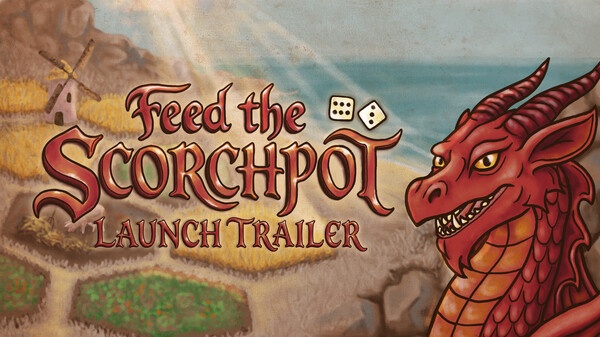
A dice roguelike about feeding a dragon for twenty years. Roll ingredients, build your island, and fuse absurd recipes into combos that break the score wide open. Miss a meal and you're next on the menu.
Modeled estimate, not a reported figure. How we estimate →
Each storefront's own chart, in its own country — the closest public signal to sales where none is published. A country missing from a list is one we don't collect there, not one where the game doesn't chart.
No United States chart position — it charts only in the markets below.
About
You struck a deal with a dragon: twenty years of protection for twenty years of dinner service. The island thrives under the beast's watchful eye, as long as the meals keep coming.

Every year, the dragon wakes up hungrier. You roll dice to work your island, harvest ingredients, fuse them into recipes, and cook them down in the Scorchpot — the pot you keep full or end up in. Get the meal right and you prosper. Get it wrong and you're smoke.
Build farmsteads, shrines, and harbors across your hex-grid island, each one changing how the board pays out. The best runs start with a handful of tiles and end with a machine that buries the dragon in food. Then the odds tighten, the dragon turns picky, and you tear the whole thing down and rebuild while it's on fire.
Feed the Scorchpot, keep the dragon happy, and outlast the contract.

Build a scoring engine — Place farms, shrines, and harbors so they feed each other. 50+ buildings and 80+ recipes to mix and upgrade, until a handful of tiles becomes board-breaking numbers.
Every meal is a math puzzle — Combine ingredients into recipes that boost Flavor and Essence, multiplying your Fodder score into absurd, screen-shaking numbers.
Press your luck — Win in fewer seasons for a bigger payoff, but each year you stay raises the stakes: harsher odds, hungrier dragons, the odd tantrum that torches your board.
Build your dice — 20+ types: odd, even, colored, even dice carved into six sixes. Tune your tray and pray the dragon's merciful.
Broken combos, on purpose — Bend the rules, break the math, and rebuild when everything catches fire.
Hand-drawn, every inch — Every dragon, building, and meal drawn by Daniela, the artist half of the married duo who made the game.

For combo addicts — If you've broken Balatro or Slay the Spire wide open with one overpowered synergy, you'll feel at home.
Quick to pick up — Roll, cook, feed: you've got the loop by your first year. Staying ahead of the dragon for twenty is the hard part.
Cozy on top, ruthless underneath — Hand-drawn and warm, right up until the fire catches.
Cook cleverly, plan badly, or just roll with it — the dragon doesn't care how you win, only that you feed the beast on time. And yes, you can pet the dragon.

Sums Steam only; GOG, Epic publish no volume signal, so the true total is higher by an unknown amount.
Engagement
Reviews
Themes across 411 recent reviews and how positive each mention is. A keyword signal, not full sentiment analysis.
Reviews
风格非常独特的、有着明显德式桌游化设计趋向的类rogue游戏。 它最主要的两处设计理念参考来源,除了被制作组公然承认的《卡坦岛》外,另外一个未必会被人注意到的对象是[b]类似《勃艮第城堡》这般有着骰子驱动机制的德策[/b]。尽管许多人(以及制作组)都会把本作的部分特征和《Balatro》(即小丑牌)中的一些设计进行比较和通约,但这种概括不但有着过于粗糙的风险,也或许会在无形之中把本作在形式和逻辑上显著有别于《Balatro》的特色/中介给扁平化、模糊化了。或许可以这样理解:[b]《Feed the Scorchpot》在吸收了《勃艮第城堡》中受骰子约束的行动优化,《卡坦岛》的概率生产与空间布局,以及《Balatro》式的构筑、得分引擎和逐步升级的生存压力等机制特征的同时,将它们共同重新编码进了roguelite式的随机性与重复游玩框架之中。[/b] 首先,出现在本作中的六角形资源地块(有数字地标)、可放置在角与角的交叉点的建筑、掷骰产生的数字激活,以及上述机制/特征与建筑摆放的位置叠加后所产生的资源生产效果,显然与《卡坦岛》极其相仿(包括具体策略中强调风险分布而非盯着某一项资源生产的趋向)。有所区别的地方,在于玩家无需与AI或者具体的玩家进行有限的多人博弈,而是仅仅需要和当前轮次的生产目标以及本次对局中的空间规划进行赛跑。 其次,像是游戏中骰子本身作为行动资源、可调整和变化的骰子特性/骰面等特征,又明显存在着类似《勃艮第城堡》中将骰子的随机性转化为有效的资源和行动的设计特色。只不过,在《Feed the Scorchpot》中,[b]将骰子作为资源和策略的转化并非如同《勃艮第城堡》那般最终导向某种具有确定性的、多样化的行动抉择,而是将行动选项替换成了具体资源的生产,从而令《勃艮第城堡》所具备的确定性设计重新概率化、roguelite化了[/b]——尽管《Feed the Scorchpot》试图通过商店所提供的构筑抉择和类似德式桌游的空间布局与邻接引擎构筑所带来的上限提升,来尽可能地让这一过程显得宽松,但这种设计的基础逻辑是显著地迥异于《勃艮第城堡》的。 由此,便引出了本作类似《Balatro》的设计收束,也引出了本作目前潜在着的[b][i]问题与风险[/i][/b]。非常明确的一点是,前述提及的类似于《卡坦岛》或是《勃艮第城堡》的部分设计特征,在轮次机制的转换中被呈现为了底材(数值)、调味(倍率)和精华等主要指标之间的数学计算,以及建立在此之上的一系列构筑的有效性(比如,选择不同的建筑升级路径、不同的摆放位置、不同的食谱,并由此产生不同的资源生产效果),而非上述两款德式桌游原本所可能具有的、多样化的行动选择和由此衍生出来的策略性。换言之,[b]这里的策略深度被转化为了构筑的多样性是否能带来有效的优化抑或目标解决的问题,而这也就导致了原本被引入时颇有潜力的空间决策设计有着被概率和combo吞没的危险[/b]——评测区的一些声音目前提到的开局难度问题(尤其是随着可选难度的增加而逐渐产生的限制下所形成的那种影响),或许便是这一风险的具体体现。 纵使本作骰子构筑的机制在一定程度上作为中介可以稀释纯粹的随机所带来的挫败感,但它潜藏着的阿喀琉斯之踵,就当前的版本来看,仍然与《Balatro》是类似的——[b]倘若用看似复杂的系统制造了多样化的表面选择,却将它们最终放置于被某种高度统一的目标函数所压缩的风险中,由此产生的失败是否还能被证明为策略性的产物?[/b]这一点或许是之后的版本更迭中制作组最需要证明的地方。
Media

Related
Related
Price dynamics, follower growth, revenue and sales trajectories with interactive tooltips
This and every other Pro feature is free until October 20, 2026. A free account is all it takes.
Genres
Stats
All-time low is the lowest price we've recorded for this game since we started tracking it.
Languages: English*, German, Spanish - Spain, Czech, French, Korean, Simplified Chinese, Japanese, Traditional Chinese*languages with full audio support
| $14.99 |
| — |
| — |
| — |
| not modelled |
Matched by title — a reused name can pair the wrong games. * is a critic aggregate. Prices and positions are each store's United States storefront; Epic charts worldwide. Audience and Score too, except Steam's, which is worldwide.
Hours played at review time, across 412 reviews with recorded playtime.
positive critical· bar length = how often the theme comes up
棋盘运营型小丑牌,难度比较高 高难度等级想打到后期的话两个要点: 1.早拿成长型配方,提供的大量加成可以让你用1张配方顶3张配方,让多余资源做长线成长 2.分数获取要分散,不能全赌在某一块地或者某种食材上,不然龙炎喷一口就完蛋
Board game mixed with roguelike elements. Your goal is to meet the minimum hunger score to feed the dragon within 20 years. Initially, you have 3 seasons or rounds to meet the dragon's hunger score. Buy buildings and recipes to get resources to feed the dragon. Rolling dice that reaches a certain number like 6 or 12 will net crops. Also, rerolls gradually cost more in the shop so player need to weigh what is being offered and what they need. [h1] Pros: [/h1] - Great artwork with the board, dragons, and shop items with a medieval inspiration. Also, it's hand drawn by one artist. - Multiple difficulties to unlock that add new challenges for players. - Strategic game that requires in-depth knowledge to win. For example, some recipes require certain conditions to be met, which will require planning. For upgraded builings, player needs to decide if the trade off is worth since it chagnes what the building provides in terms of resources and bonuses. - Each run will be different with the high variety of buildings and recipes. [h2]Cons: [/h2] - Can be extremely difficult to win at higher difficulties due to shop RNG (not being offered buildings or getting bad dice rolls). RNG plays a role because your buildings and recipes need to synergize. [h3]Suggestions: [/h3] - Add easy/cozy mode for players that want a less challenging game. I don't mind not getting Steam achievements on the proposed easy mode as a tradeoff, but game feels harsh especially years with the dragon de-buffs. Based on updated info, player can view dragon flame year, but the tutorial needs to do a better job of showing where to look for this important info. https://steamcommunity.com/sharedfiles/filedetails/?id=3787846696 [b] Conclusion: [/b] I played the demo during Next fest and this game was one of the standouts. The artwork is hand drawn enhancing the medieval realism of the game. If you develop a build that works, you can go for longer runs and try to unlock new recipes/progression for future runs. If you are not a seasoned board game or roguelike player, you may find this game too challenging or frustrating. [quote=author][url=https://store.steampowered.com/curator/32732116-IndieGems/] Follow IndieGems for more reviews like this one.
打到最高难度了,吃爽了来留一下评论。 可能是很对我口味,喂龙算是近期购入的游戏里比较满意的一款策略游戏了。 它本身是类似卡坦岛+小丑牌的缝合,通过在岛屿上放置建筑、改造岛屿格子收集资源,最终导入小丑牌式的乘法记分。 描述起来简单,目前市面上缝小丑牌的游戏也不少。不过打开游戏玩一下,会发现作者确实考量了很多,各方面精致的细节堆砌起来,让这款游戏的完成度和深度都得到了很好的展现,融合了桌游的严谨和小丑牌的爽。 以下是个人觉得令人眼前一亮的地方: 1 游戏底层和数值设计合理。这款游戏缝得让人确实挑不出毛病。资源(即分数来源)获取这一边,游戏设计了丰富的决策方向:食谱、建筑、盘面点数、骰子。这些的提升都依存于金币,所以“赚钱”就成了前期运营的重中之重。并且,可能是得益于缝了桌游的核,这几个核心功能完全没有“换皮”的感觉,是确确实实的四个方向。可以一拖三,也可以平衡推进,全都取决于当轮的决策(和种子)。 由于游戏起始资源给得相当吃紧,几乎是被龙咬着屁股走(数值算是很考量了,正好在走错一步就会喂龙的程度),因此每一个季度的决策都会大幅度影响这一整局的运营方向。 策略感十分接近桌游,个人觉得可以与一些相对狂野的德式规则相媲美。 2 美术风格统一,没有违和感。整个游戏的美术风格都充斥着浓厚的中世纪风味,UI设计也合理,该提示玩家的地方也都会提示(比如,可以放入食谱却没有放入的情况下,点击一次确定键后不会立刻推进到计分环节,而是需要再点击一次。),整体打磨得很好。 3 龙的塑造十分可爱。是的我要把这一点单独拿出来讲!作为游戏“主角”的龙龙,在选择不同变体规则的情况下,蹲在你锅子旁边的会是不同的龙,设计也都符合规则特征。尾巴长的挡住分数版了,鼠标挪过去的话龙还会抬尾巴。动作虽然没有特别多,但都画得很有巧思。此外,游戏还给龙加入了大量……真的很大量的台词。分数太低了会吐槽,分数爆表了会夸赞,甚至挂着不理都有台词,种类还很多,目前为止还没看到几句重复的,可以说相当有陪伴感了。 4 挑战项非常多,且大多要么肝要么难。如果喜欢挑战自我,那这款游戏可以说是给足了发挥空间,也算是增加了不少面向硬核玩家的游戏寿命。 不过,就像其他很多开局苛刻的游戏一样,这款游戏也有点吃开局种子。算是规则设计的副产物,程度不高,个人觉得暂时算不上缺点。 总之,这个价位能买到这个完成度的游戏,算是相当值了。推荐给喜欢桌游感、喜欢打牌和 就是喜欢龙!的人。 龙叫我了,不多说了,该去做菜了.jpg
我之前玩肉鸽游戏从来不刷开局,因此我玩这个游戏的3h也没刷过开局,发什么我就想办法打什么,但这个游戏开局随机性太强了。 这个游戏得分机制是A*B*C(底材,调味,精华),但我过去3h(除开新手教程)有至少两把开局只有农庄(底材来源),没有贸易站(前期调味重要来源)或港口(能提供一点调味): 没有调味,导致开局少一个乘区,几乎只能靠底材数量硬怼,原本是22得4,但现在变成了41得4,而底材又很难补上从2到4的缺口,唯一的手段就成了堆季度硬怼底材数量,而季度又和精华挂钩(每年剩余季度越多,繁荣度越高,精华获取越多),开局B乘区的缺失不仅制约了初期的过渡,还导致C乘区的缩水,导致我即使能苟过开局几年,也难以应对后续迅速膨胀的分数要求。 我有如此狼狈的新手体验仅仅是开局没刷到一个贸易站。也许对高手来说前期没有贸易站也有比较舒服的发育策略,但我不行,我会继续体验一段时间,如果我有找到roll开局以外的好办法我可能会改变评价。 补充: 发表完以上评论以后我又多玩了几局,其中有一局成功通关。但我越发觉得没有贸易站是很常见的开局(我又碰到至少三把,不知道是不是单纯脸黑),然而贸易站实在是太重要了: 除开先前提到的提供调味,贸易站还有更重要的每年提供4金币,没有这个金币来源极容易导致开局经济被锁死:开局三个建筑栏位,两个农庄每年共4金币(我没试过单农庄开局的打法,以下就默认开局只有一个空余建筑位置), 多一个农庄,每年收入2金币; 多一个神龛,每年收入4金币(等于一个贸易站,但没有贸易站4调味); 多一个港口,每年收入1-2金币。 然而一级建筑5金币,刷新建筑3金币(每年每次+1),工具4金币起步,食谱8金币起步。 抛开其他因素不谈,仅说最基本的购买建筑,没有贸易站可能玩家多刷一轮建筑都做不到。经济上的差距在第一年可能仅仅是这多刷的一轮,再过两三年可能就是一个二级建筑或重要食谱的购买。 结合之前说的调味获取,我认为贸易站的设计是不太合理的,它集中了两项资源,导致可能的多样化开局被严重压缩。没有贸易站的开局不仅得分效率低,后续的运营空间也被严重压缩,希望制作组能改善游戏前期调味与金币获取集中的现象。
Feed The Scorchpot is an awesome blend of multiple genres. It feels like some poor soul played Settlers of Catan for the first time, got absolutely hooked, but never found another person to play with so they made their own version. i mean that in the best way possible. confusing at first, trying to understand what everything means and how it goes together, but after just a few minutes it clicks. Ive spent tons of hours on the demo, and it is very easy to pickup again after time away from the game. Fantastic casual puzzle game for fans of Balatro, Settlers Of Catan, and Dragons.
一句话,[b] 前期难度太高了,需要非常胡才能玩 [/b]。打了4小时,也就通关了教程难度,一直在打难度一 微饿。 [h1] 前期过渡是个大问题。 [/h1] 大家都知道对于分数系统是a x b 的形式下,一般是提高分数较低的那个值,从这个游戏分数的获取难度上可以知道是 优先获取 精华 > 调味 > 底料。 一开局第一件事就是点开商店购买建筑 或者 菜谱。菜谱的问题是,还必须要要 [b] 原材料 [/b] 才能使用。[spoiler] 0原料的食谱还需要靠运气刷出来[/spoiler] 建筑也是一样,只有贸易站和码头这两个才有用,神龛到后面根本撑不起来发展。 这游戏两骰子点数相加等于对应土地的点数才会生产原料,那就只能绞尽脑子计算、拼运气摇到你放到的农庄旁边土地的点数,就很累。 [h1] 中期发展也困难 [/h1] 到了中期,为了让解决点数不命中土地点数的问题,那么就是要(1)多建码头增加骰子数量(2)多建农庄增加土地点数种类(3)买商城里的道具增加土地的点数种类。问题是,建筑数量有上限,码头还需要3个才能解锁一个骰子,这就导致不能无脑建码头((一级)码头不会生产原料),也不能无脑建农庄因为农庄(农庄只加底料),商城里的道具也不会这么大概率刷出来,你那破工具,还需要50%概率才生效,前期本来就没什么钱,失败怎么玩。所以只能拼刷到好食谱,没有好食谱根本过渡不了。 [h1] 最大的问题是建筑等级系统 [/h1] 我想不明白,[b] 为什么更高级的建筑的效果能和前一级的建筑毫无联动。 [/b] 怎么我农场本来是能收蔬菜的,怎么升级后就只能收鱼了;怎么我贸易站本来是靠相邻农庄加调味的,升级后就完全是另一个做用的东西了,而且还和相邻的农庄毫无联动,那我之前辛苦、精心挑选的开局布置算啥。(1)这东西对新人也太不友好了。高级建筑还必要要建在低级建筑之上,那不就要求你一开局就设计好应该怎么布局建筑。我怎么知道高级建筑有哪些种类,怎么去设计不同属性的建筑的开局的布局(2)这东西在商店里出现还是随机的,就逼着刷新出有用的农庄之类的,要是死活刷不出来和你期望的布局的建筑呢。 [h1] 繁荣度设计也不合理 [/h1] 繁荣度提高是通过 [b] 未使用的季度 [/b] 累计的,一个未使用的季度提高 0.01,然后分数会乘上 繁荣度。那么,想要提升繁荣度,就是 [b] 每年只使用一个季度,一遍过 [/b]。这个机制就是 [b] 正反馈 [/b],如果你的得分手段充足,那么你就能实现 每年只使用一个季度,那么你的繁荣度就越高;否则,你就需要多个季度来通过,你的繁荣度积累得就越慢,繁荣度积累得越慢,后面就越完不成分数的挑战。这不矛盾吗?这就要求你开局就必须要胡,不胡繁荣度就提不上去。 [hr][/hr] 这游戏,也没有像其他种类肉鸽的全局解锁机制,来帮助你在下次对局中更简单渡过前期。只有解锁一些建筑道具什么的,这游戏的难度也不下降啊。 总之,玩得不爽,给个差评。 [hr][/hr] 哥们终于过了难度一,关键点就是,开局必须要贸易站,然后农庄放在5、9点数的土地上收益最高。(5/9点数组合出现概率是1/9,还能蹭到2倍产出,收益期望最高)其次,农庄往中间靠,才能有更多种类的土地点数。然后,需要配上一个能够主要触发的食谱,盯着摇点数5、9。 还有,食谱的刷新,为什么需要有底料才能买,搞半天才知道需要先点收获才能刷新。
I really recommend this game to every fan of "big numbers" roguelikes. The mechanics of Balatro and Catan mix together better than I would expect. At first I thought that 20 years cycle is a little too long, but after playing the game for some time it seems to be just right. For now I am trying to max the first dragon on all ascensions, but I have every dragon unlocked and it seems that there are many different mechanics to each of them.
Great Game and a wholesome Community. Still surprisingly addictive around here.
Incredible game, lots of very well executed design elements, plenty of room to experiment and strategies.
Selling now
See how fast this game is selling right now — estimated copies and revenue per day from recent review growth.
Active players
Estimated daily and monthly active players (DAU/MAU) modeled from peak concurrency.
Players by region
Where this game's players are, estimated from review languages.
Players also reviewed
The games this title's players most often review too — audience affinity.
Related
| Game | Estimated lifetime revenue | Reviews | Review score | Price |
|---|---|---|---|---|
| $3.1K | 14 | 79% | $7.99 | |
| $1.4K | 5 | 60% | $9.99 | |
| $0 | 9 | 100% | Free | |
| — | 0 | — | — | |
| $1K | 2 | 50% | $14.99 | |
| — | 0 | — | — |
Related
| Game | Estimated lifetime revenue | Reviews | Review score | Price |
|---|---|---|---|---|
| $238.2K | 446 | 83% | $14.99 | |
| $238.2K | 638 | 81% | $12.89 | |
| $238.2K | 627 | 87% | $15.99 | |
| $238.4K | 425 | 85% | $13.99 | |
| $238.1K | 376 | 61% | $19.99 | |
| $238.5K | 686 | 86% | $9.99 |